
Last updated October 31, 2026
 Architectural shingles
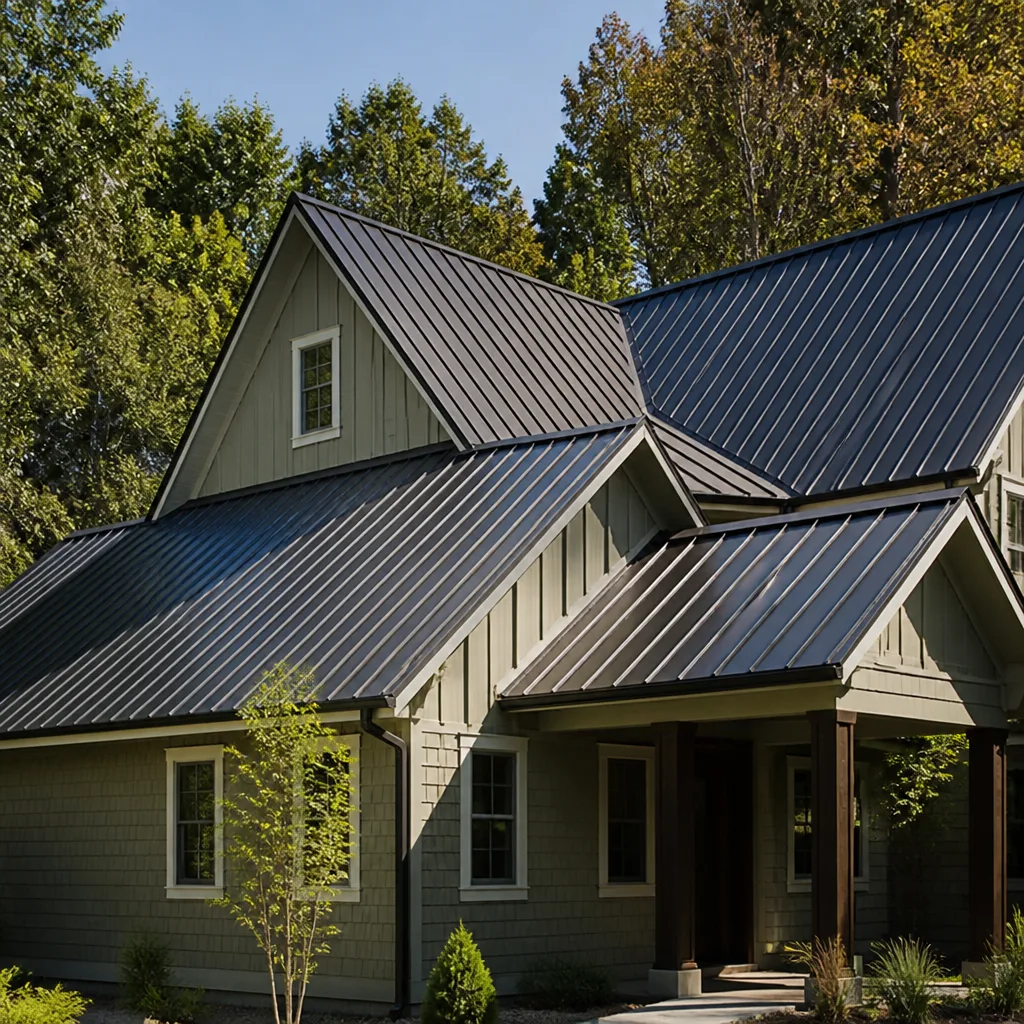 Metal roofing
 Tile roofing
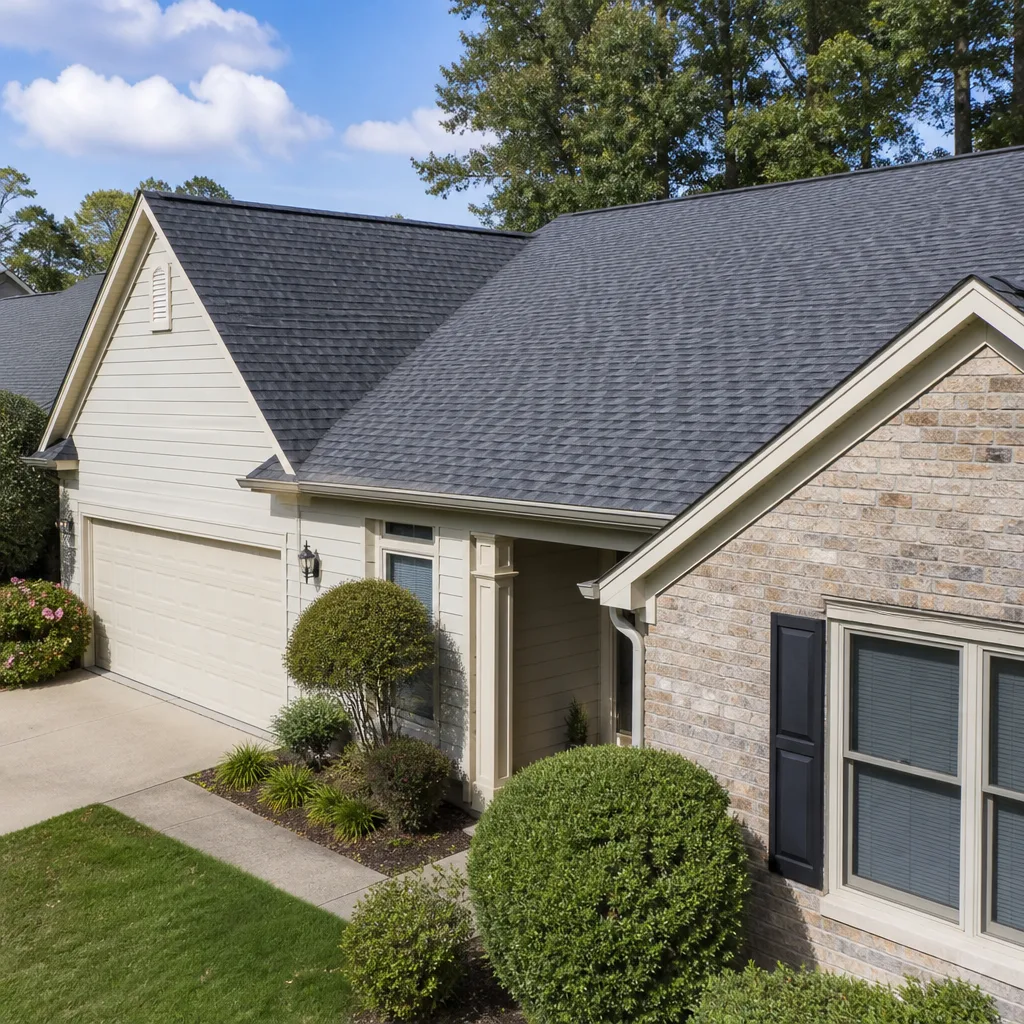 GAF
 Owens Corning
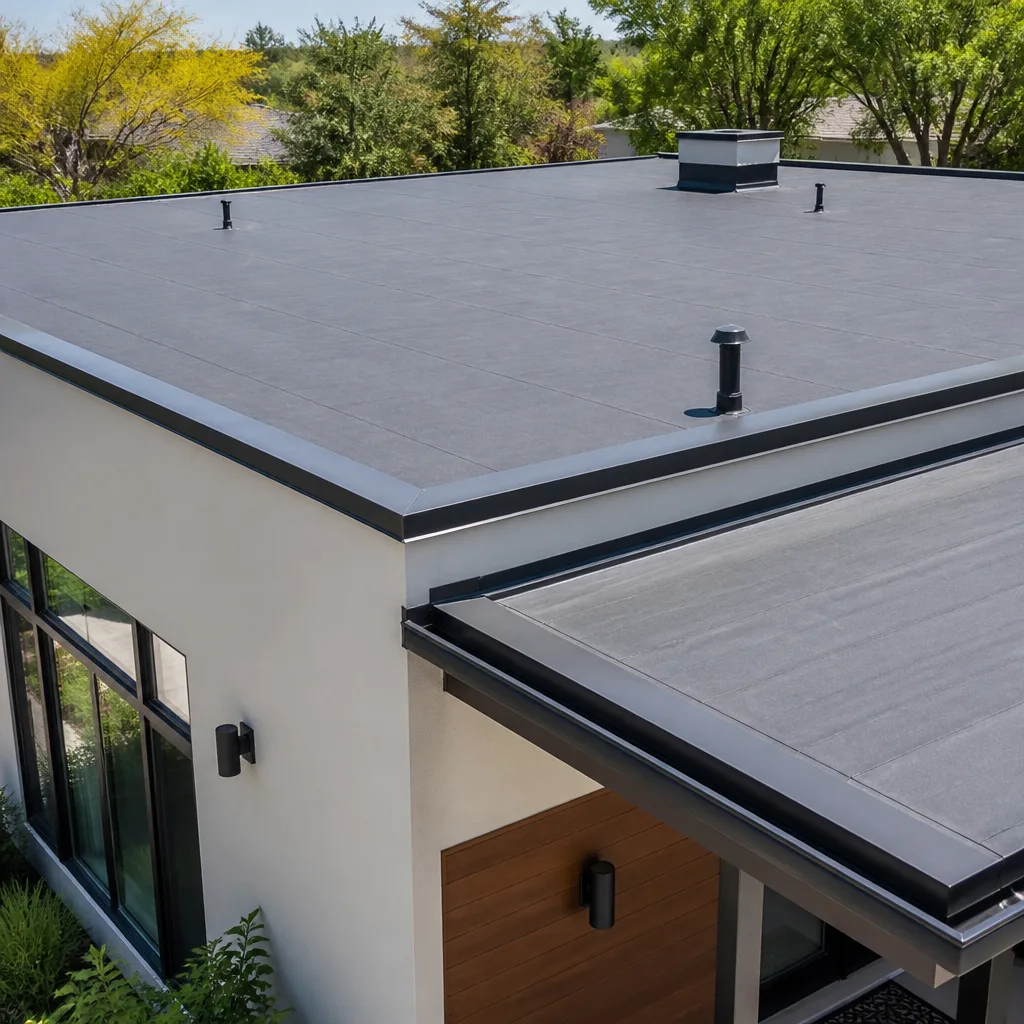 Flat & low-slope
Free roof inspection with deck photos before we talk money - GAF and Owens Corning certified installation
Roof Repair Maintenance Checklist for Santa Ana Homeowners
Most roof maintenance advice written for a national audience tells you to inspect your roof in spring and fall. That advice ignores how roofing actually fails in Southern California. In Santa Ana, we don’t get ice dams or freeze-thaw cycles. We get Santa Ana wind season starting in September, and we get summer heat that bakes roofing materials from June through October. The most expensive repairs we see in Santa Ana aren’t caused by rain. They’re caused by deferred maintenance discovered after a wind event lifts flashing that was already loose, or after a clay tile that cracked in July lets water into the underlayment during a November storm. This guide gives Santa Ana homeowners a maintenance checklist built around the city’s two actual damage windows: wind season and post-summer heat fatigue. It covers what you can safely observe from the ground, what needs a professional set of eyes, and how to document your roof’s condition over time.
Quick Answer
The smartest roof maintenance schedule for Santa Ana homeowners isn’t spring and fall. It’s two targeted checkpoints: a pre-wind-season inspection in September (fasteners, ridge caps, flashing) and a post-summer heat check in October (granule loss on asphalt, grout cracking on clay tile, membrane wear on flat roofs). Most homeowners can safely handle ground-level observation and documentation; anything requiring a ladder, walking on the roof, or touching flashing should be handled by a professional roofer. A documented inspection record also protects insurance claims and manufacturer warranty coverage.
Styles & brands we work with
Table of Contents
- Why Santa Ana’s Wind Season Is Your Primary Maintenance Trigger
- Pre-Wind-Season Checklist: What to Check in September
- Post-Summer Heat Checklist: What to Check in October
- Maintenance Intervals by Roofing Material: Clay Tile, Asphalt, and Flat Membrane
- What Homeowners Can Safely Inspect From the Ground vs. What Requires a Pro
- How to Document Roof Condition for Insurance Claims and Warranty Coverage
- Common Mistakes to Avoid
- When to Call a Professional
- Frequently Asked Questions
Why Santa Ana’s Wind Season Is Your Primary Maintenance Trigger
Santa Ana winds are a recurring fact of life in this city. They arrive in the fall, typically between September and November, with gusts that regularly exceed 40 mph in exposed areas. Homes in neighborhoods near Santiago Creek, Portola Park, and the hillside streets east of the 5 freeway see some of the strongest gusts in the city. These winds don’t create roof damage from nothing. They exploit existing weaknesses: a fastener that loosened over the summer, a flashing seal that baked brittle under 90-degree heat, a ridge cap whose mortar has hairline fractures. A roof that enters wind season with these problems intact is a roof that will need repair before winter. A roof that enters wind season with these problems addressed can often ride out the season without incident. That’s the entire logic behind the maintenance schedule in this guide. We look before we quote, and we maintain before we repair. The math is straightforward: a $200 fastener and flashing touch-up in September prevents a $2,000 wind-lift repair in November.
What Wind Damage Actually Looks Like in Santa Ana
Wind damage is rarely dramatic. It’s not a tornado ripping shingles off in a single event. In Santa Ana, wind damage accumulates. You’ll see lifted shingle edges that don’t reseat. You’ll see flashing peeled back from a roof penetration. You’ll see clay tiles shifted a quarter-inch out of alignment. None of these look urgent on their own. Each one is an open water path the next time rain arrives. And because Santa Ana’s rainy season overlaps with its wind season, a small wind compromise in October can become a water intrusion problem by December. This is why the pre-wind checklist below is the most important maintenance ritual in this guide. It catches small compromises before they compound.
Our Roof Inspection in Santa Ana service is built around this timing. We schedule the majority of our wind-season inspections in September, before the gusts arrive, when repairs are still small and fast.
Pre-Wind-Season Checklist: What to Check in September
September is the single most important month on a Santa Ana homeowner’s roof maintenance calendar. The summer heat has done its work. The wind season hasn’t started yet. This is the window where small problems are still small and repairs are still cheap. Here’s the checklist, organized from the most critical item to the least.
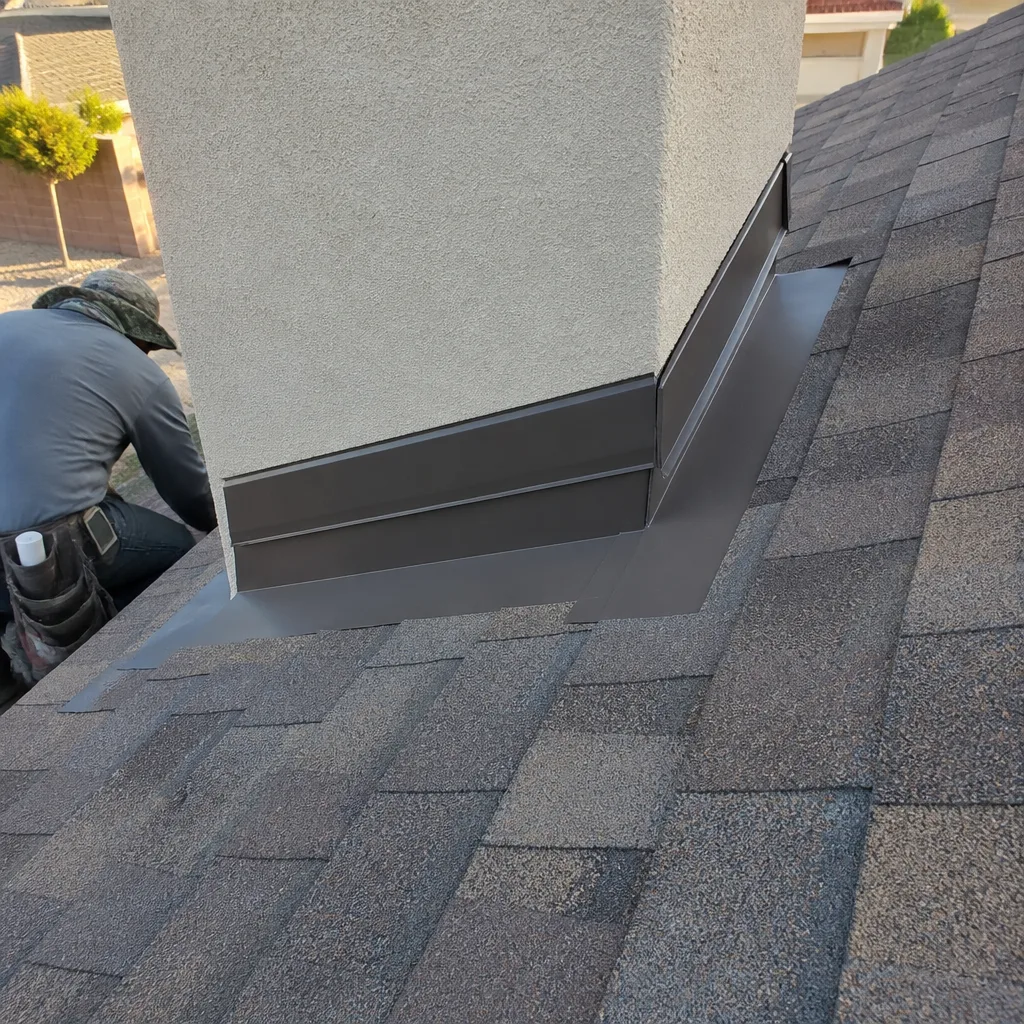
- Flashing inspection around roof penetrations. Every pipe boot, chimney, skylight, and roof-to-wall transition has metal flashing sealed with a sealant. After a Santa Ana summer, that sealant is often dry and cracked. In our experience across Santa Ana, flashing sealant is the single most common point of failure we see on roofs three years or older. Have the sealant inspected and re-sealed where necessary. This is a modest cost item that prevents the kind of wind-lift and water intrusion that drives expensive repairs later.
- Fastener inspection on ridge caps and hip lines. Ridge caps are the trim pieces along the peaks and angled edges of your roof. They’re fastened and sealed. Wind concentrates its force at these edges first. A loose ridge cap that catches a 50 mph gust can peel back and take adjacent tiles or shingles with it. Have all ridge caps checked for secure attachment.
- Loose or shifted roofing material. From the ground, look for any area where your roofline looks uneven. A shifted tile, a raised shingle edge, a dip that wasn’t there before. If you can see it from the street, it’s already significant enough to matter.
- Debris accumulation in valleys and behind chimneys. Santa Ana’s dry conditions mean leaves and debris don’t wash away on their own during the summer. They sit in roof valleys and behind protrusions. That debris holds moisture against roofing material when rain eventually arrives. Clear it before wind season traps it more deeply.
- Gutter and downspout check. We don’t offer gutter service, but any roofer should note whether your gutters are pulling away from the fascia or overflowing during the first rain. Loose gutters can pull flashing away from the roofline in a wind event. This is a simple pre-wind-season check.
Why September, Specifically?
The Santa Ana wind season doesn’t have a fixed calendar start date. But it reliably begins between mid-September and early October. A September inspection gives you a two-to-three week buffer to get repairs scheduled before gust events become regular. Waiting until the first wind warning is already too late: contractors book up fast when the winds arrive, and you’ll pay a premium for reactive work that proactive maintenance would have prevented. A note on permits: most of the repair items in this checklist are classified as routine roof maintenance in the city of Santa Ana and do not require a building permit. Replacement work is a different story, which we cover in our Roof Replacement in Santa Ana guide.
Post-Summer Heat Checklist: What to Check in October
October is the second checkpoint on the Santa Ana maintenance calendar. By now, the roof has survived three to four months of sustained heat, often with daytime temperatures in the 80s and 90s and significant UV exposure. Heat doesn’t damage roofs the way wind does. It degrades them slowly, and the damage is less visible until it compounds. Here’s what to look for after a Santa Ana summer.
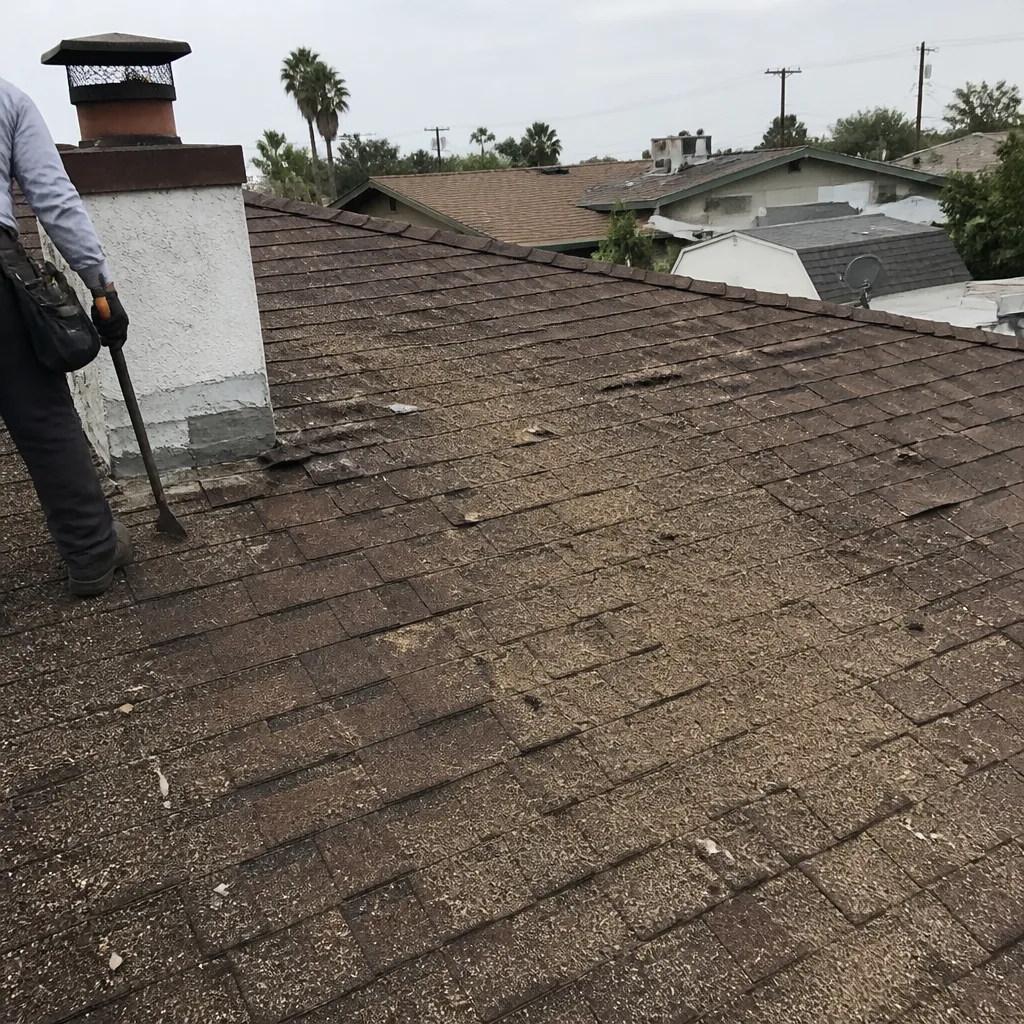
- Granule loss assessment on asphalt shingles. Asphalt shingles are covered in mineral granules that protect the asphalt substrate from UV degradation. Every asphalt roof loses granules over time. The question is how fast. After a hot summer, check your gutters and downspout splash blocks for granule accumulation. A fine dusting is normal. Distinct piles of granules, especially dark or colored ones, indicate accelerated wear. On the roof surface itself, look for patches where the shingle looks smoother or shinier than surrounding areas. This indicates granule loss and reducing remaining service life.
- Cracking check on clay tile grout lines. Clay tile roofs in Santa Ana are common, particularly on homes built between the 1960s and 1990s. The tiles themselves rarely fail. What fails is the grout or mortar at the ridge lines, valleys, and hips where tiles are set. Heat expands the tile and grout at different rates, and over enough summers, that differential movement creates hairline cracks. Visually, look for whitish grout lines that appear fractured or crumbly. A cracked grout line is a water path into the underlayment.
- Flat membrane roof inspection for blistering and seam separation. Santa Ana has a significant stock of flat and low-slope roofs on mid-century homes and commercial-to-residential conversions. Membrane roofs (typically modified bitumen or single-ply) fail at seams. Heat softens the membrane, and the expansion-contraction cycle stresses seam welds. Look for bubbling or blistering on the surface, visible seam gaps, or areas where the membrane looks “tented” or pulled away from flashing.
- Skylight seal and frame check. Heat accelerates sealant failure around skylights. If you have skylights, check the perimeter from inside the attic if accessible: look for light gaps, water stains, or darkened sealant.
- Attic ventilation performance check. This one isn’t about the roof surface. It’s about the attic underneath. Poor ventilation traps heat, which cooks the roofing material from below and accelerates granule loss and sealant failure. After a hot September, check your attic temperature. If it feels dramatically hotter than the outside air on a mild day, your ventilation may be inadequate. This is a roof system issue, and it will shorten the life of whatever roofing material sits on top.
Post-Summer Observations Feed Your Decision, Not Just Your To-Do List
Here’s the thing. The post-summer checklist isn’t just about scheduling repairs. It’s about building a record. When you notice granule loss in October of 2026, and you note it, and then you notice more in October of 2027, you now have a trend line. That trend line tells you whether your asphalt roof has five years left or two. It tells you whether it’s time to start budgeting for replacement. That’s the difference between planning a roof replacement on your schedule and being forced into one by a leak.
Maintenance Intervals by Roofing Material: Clay Tile, Asphalt, and Flat Membrane
A one-size-fits-all maintenance schedule is a disservice to Santa Ana homeowners, because this city has three genuinely different roofing materials in common use, and each one ages differently. Here’s the material-specific reality.
Clay Tile Roofs
Clay tile is the most durable roofing material in Santa Ana, and the most misunderstood. The tile itself, if from a quality manufacturer like Boral, can last 50 to 100 years. The system underneath it cannot. The underlayment beneath a clay tile roof has a service life of 25 to 40 years depending on the material. The fasteners have a service life too. And the grout at the ridges and hips? Ten to fifteen years, sometimes less in full sun exposure. So the maintenance interval that matters for clay tile isn’t about the tile at all. It’s about the grout lines (check every two years, re-point as needed), the underlayment (have a professional assess at the 20-year mark, then every three to five years after), and the fasteners (checked in September before wind season). A clay tile roof that gets this attention can last twice as long as one that’s ignored. Ignored clay tile roofs fail from the inside out: underlayment degrades, water reaches the deck, and by the time you see a leak, the repair involves lifting tiles and replacing underlayment at a cost that often approaches a full re-roof.
Asphalt Shingle Roofs
Asphalt shingles are the most common roofing material in Santa Ana, and they have the shortest service life, typically 15 to 30 years depending on product quality and installation. The maintenance interval is annual, with the two Santa Ana checkpoints (September and October) doing the heavy lifting. On an asphalt roof, the things to watch every single year are: granule loss (October check), lifted shingle edges (September check), flashing sealant condition (September check), and soft spots or visible sagging (any time you notice). Products like GAF Timberline, CertainTeed Landmark, and Owens Corning Duration each have specific warranty requirements, and most require that homeowners maintain records of inspections and repairs. The minute you skip documentation, you’ve given the warranty issuer grounds to deny a claim. We’ll get to documentation below.
Flat Membrane Roofs
Flat and low-slope membrane systems are common on Santa Ana’s mid-century ranch homes and on many duplexes and triplexes in neighborhoods like Wilshire Square and Heninger Park. These roofs don’t shed water the way a sloped roof does. They hold it. Every seam, every penetration, every flashing termination is a potential failure point. The maintenance interval for a flat membrane roof is semi-annual: once in September (pre-wind) and once again in October (post-heat), with particular attention to seam integrity, surface blistering, and debris accumulation. Standing water is a red flag on any flat roof. If you see puddles that remain 48 hours after a rain, the slope or drainage is compromised and needs professional assessment. Membrane products used on flat roofs come from several manufacturers; we work with IKO and others depending on the application.
Material-Specific Intervals at a Glance
- Clay tile: grout lines every 2 years, underlayment assessment at year 20 then every 3-5 years, fasteners every September
- Asphalt shingle: annual inspection at September and October checkpoints, granule loss monitoring every October, flashing sealant every September
- Flat membrane: semi-annual inspection (September and October), seam check every visit, standing water check after every meaningful rain
What Homeowners Can Safely Inspect From the Ground vs. What Requires a Pro
Here’s the line we draw with every Santa Ana homeowner, and it’s a safety line first, a diagnostic line second. Roof work is dangerous. Walking on a roof requires training, proper footwear, fall protection on steep slopes, and awareness of load-bearing zones. The fact that some tasks are possible doesn’t mean they’re safe. A broken hip costs more than any roof repair you’ll ever prevent. Here’s what’s reasonable from ground level, and what isn’t.
Safe From the Ground: What You Can Do Yourself
- Visual scan from the street and from your yard. Use binoculars if you have them. Look for obvious shifted tiles, lifted shingle edges, visible flashing separation, or uneven rooflines. You can see more than you think.
- Gutter and downspout observation. Check for granule accumulation (asphalt roofs), cracked or dislodged tiles (clay tile), and debris buildup.
- Interior ceiling and attic checks. Water stains, daylight visible through the roof deck, musty odors, and visible sagging are all signs of roof problems that you can identify without leaving the ground.
- Photography. This is the single most useful thing a homeowner can do. More on documentation below.
Not Safe From the Ground: What Requires a Professional
- Walking on the roof surface. Any inspection that requires direct contact with shingles, tiles, or membrane should be done by someone with roof-specific training. This includes any inspection of a roof with a pitch steeper than 4:12.
- Ladder work. A ladder against a two-story Santa Ana home, positioned on uneven ground, is a fall risk. Professional roofers carry insurance for this reason.
- Flashing inspection and re-sealing. This requires working at roof edges and around penetrations, often on a ladder or on the roof surface. The material itself isn’t hazardous, but the access is.
- Ridge cap and fastener inspection. Accessing ridge caps means walking the roof. Not a homeowner task.
- Attic inspection in unfinished spaces. Walking across exposed joists in a dark attic with fiberglass insulation is genuinely risky. If you can’t see the attic floor clearly, don’t enter.
The realistic role of a homeowner in roof maintenance is observation and record-keeping, not hands-on repair. You’re the early warning system. The professional is the diagnostic and repair partner. If you spot something questionable from the ground, the right next step is a professional roof inspection in Santa Ana to assess it. That’s a standalone service for us, not a sales funnel.
How to Document Roof Condition for Insurance Claims and Warranty Coverage
Insurance claims and manufacturer warranty claims share something in common: they are both decided based on what you can prove, not what you remember. A homeowner who can show a dated photo trail demonstrating that their roof was well-maintained before a wind event is in a much stronger position than one who files a claim with no documentation. In Santa Ana, where wind events are a recurring fact of life, this documentation habit pays off directly.
What to Document
- Baseline condition photos. Take a full set of photos of your roof from all visible angles once a year, ideally in September before wind season. Include wide shots of each roofline and close-ups of flashing areas, ridge caps, and any known trouble spots.
- Post-event photos. After any significant wind event, serious rain, or other weather, take photos of the same angles. The comparison between baseline and post-event is what insurance adjusters need to see.
- Repair documentation. Save every invoice, every inspection report, every scope of work. If your roofer identifies a problem you choose not to repair, document that too. A written recommendation followed by your written decision protects you later if the problem worsens.
- Date and time stamps. Every photo should be date-stamped. Most phone cameras do this automatically, but verify it’s enabled. A photo without a date is not evidence.
Why This Matters for Warranties
Every major roofing manufacturer’s warranty, including GAF, CertainTeed, Owens Corning, and IKO, includes language about proper maintenance. If a warranty claim is filed and the manufacturer determines the roofing system was improperly maintained, the claim can be denied. Your photo trail is your proof. It’s also a diagnostic aid for any roofer who comes to assess your roof. A three-year photo history tells us a lot about what’s changing and how fast. That information shapes our repair-or-replace recommendation, and it keeps the recommendation honest.
Common Mistakes to Avoid
- Following a spring/fall checklist instead of a wind/heat checklist. A generic seasonal checklist tells you to inspect in March and October. A Santa Ana-specific checklist tells you to inspect in September and October. The wind season is the difference-maker. If you’re only doing one inspection a year, make it the September one.
- Ignoring granule loss because “all roofs do that.” All roofs do it gradually. When it accelerates, it signals faster UV degradation and a shorter remaining lifespan. Piles of granules in your gutters are worth a professional look.
- Sealing flashing from a ladder without proper training. This seems like a simple DIY task. It’s not. The access is the risk. Falls from ladders are a leading cause of homeowner injury. If you see cracked flashing sealant from the ground, call a pro.
- Assuming clay tile is maintenance-free because it’s expensive. The tile is durable. The grout, underlayment, and fasteners are not. Clay tile roofs need attention, just different attention than asphalt roofs.
- Waiting until you see a leak to think about roof maintenance. A leak means water has already passed through the roofing system and reached the deck. By definition, the damage is already done. Maintenance is about catching problems before they become leaks.
- Filing a wind damage claim without pre-existing documentation. Without baseline photos, your adjuster has to guess whether that lifted flashing was caused by the wind event or by years of deferred maintenance. Guessing usually goes against the claimant.
- Putting off September repairs because “the winds might not be that bad this year.” Santa Ana wind season is a reliable feature of this city. Some years are worse than others, but the winds will come. A small fastener repair in September costs less than a ridge cap lift repair in November. Every time.
When to Call a Professional
You’ve read this far, which means you’re already doing more than most Santa Ana homeowners. But there are specific moments when self-observation isn’t enough and a professional set of eyes on your roof is the right next step. Call a roofer if you notice any of the following: visible flashing separation after a wind event, piles of granules in gutters or downspouts, cracked or crumbling grout lines on a clay tile roof, standing water on a flat roof 48 hours after rain, water stains on interior ceilings, daylight visible through the roof deck in the attic, or any roof you already suspect is over 20 years old on asphalt. These are not maintenance items. They’re repair indicators, and they get more expensive the longer they wait.
Tilecraft Roofing offers roof repair in Santa Ana with free estimates. Call (833) 467-4846 if you’ve spotted something questionable or want a September wind-season inspection scheduled.
Frequently Asked Questions
Twice a year, in September before wind season and in October after summer heat. The September inspection is the more important of the two. If you only do one annual inspection, do the September one. A professional roof inspection in Santa Ana typically costs between $200 and $500 depending on roof size and accessibility, and it’s the cheapest insurance you’ll ever buy against a five-figure repair. Call (833) 467-4846 for current pricing.
Most routine maintenance items (flashing re-sealing, fastener tightening, minor grout re-pointing) cost between $150 and $600 per visit. That’s the September insurance premium. Compare it to the alternative: a wind-lifted ridge cap that pulls adjacent tiles and requires $2,000 to $5,000 in repairs. Maintenance is not an expense. It’s the cheapest item on your roofing budget.
Yes, and you should. From the ground, you can spot shifted tiles, lifted shingle edges, visible flashing separation, granule accumulation in gutters, and uneven rooflines. Use binoculars for a closer look. What you should not do is climb onto the roof or attempt ladder-based inspection. The fall risk is real, and the diagnostic value of an untrained on-roof inspection is low. Ground-level observation is valuable. Leave the rest to professionals.
Wind-lifted flashing. Santa Ana wind season arrives every year, and it exploits weaknesses created during the summer. Flashing that was sealed five years ago has likely dried and cracked by now. When wind gets under it, it peels back and creates an open water path. This is the single most common repair we see in Santa Ana, and it’s almost always preventable with a September inspection.
Yes. The tiles are the most durable part of the system. The grout lines at ridges and hips, the underlayment beneath the tiles, and the fasteners holding everything together all have shorter service lives. A clay tile roof with “perfect” tiles can still leak through cracked grout or degraded underlayment. Clay tile maintenance is about everything except the tile.
No. Insurance covers sudden and accidental damage, not routine maintenance. However, documented maintenance protects you when you do file a claim for wind or storm damage. A dated photo trail and inspection record demonstrates that the damage was caused by the covered event, not by neglect. Think of maintenance documentation as claim insurance.
The Bottom Line
Santa Ana homeowners who follow this guide are working on a different maintenance calendar than the rest of the country, and that’s the point. September and October are the two months that matter. The September checklist protects against wind season exploitation of existing weaknesses. The October checklist assesses what summer heat has degraded. Document everything. Stay off the roof unless you’re a trained professional. And when you need a diagnostic opinion, call someone who will look before quoting. Tilecraft Roofing offers free estimates in Santa Ana at (833) 467-4846. Seven leading brands, one crew, and an honest assessment of whether repair or replacement is actually warranted.
Written by the team at Tilecraft Roofing, serving Santa Ana since 2012.
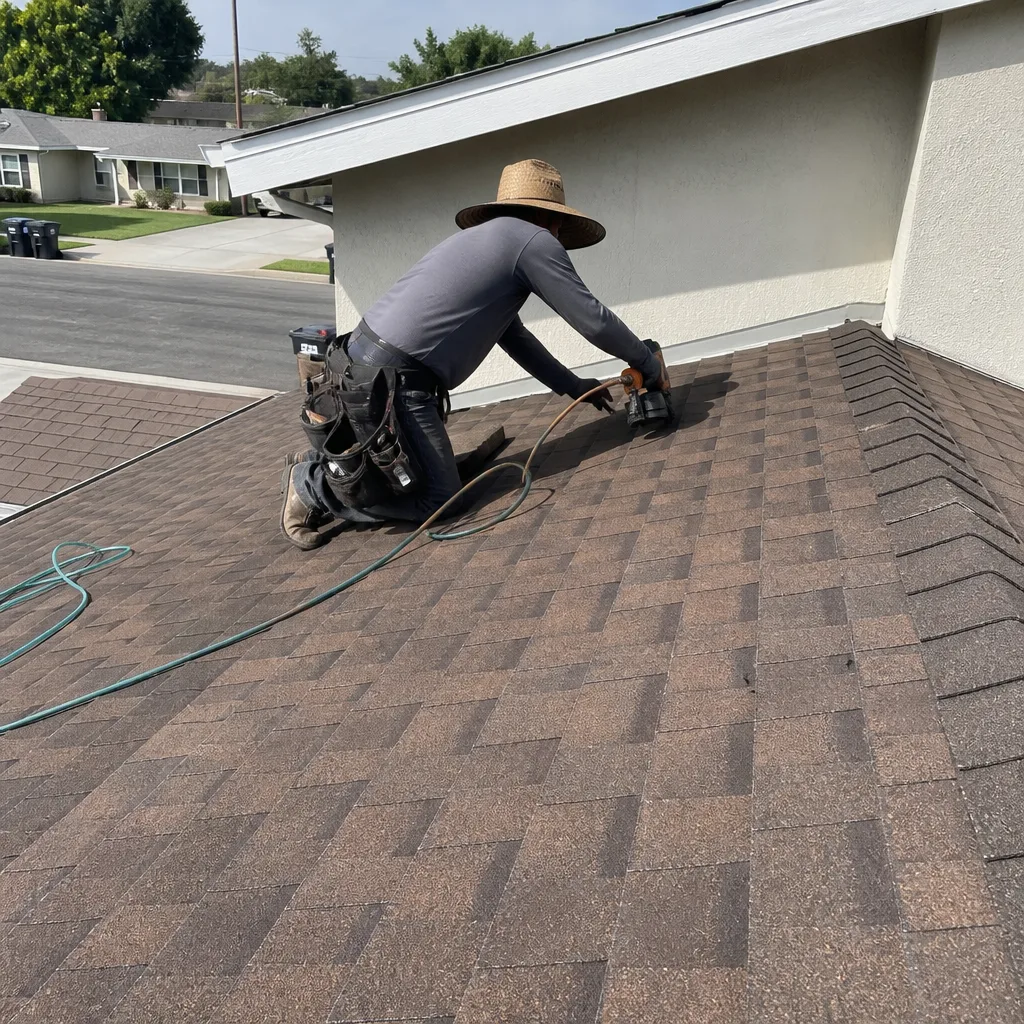
See the difference
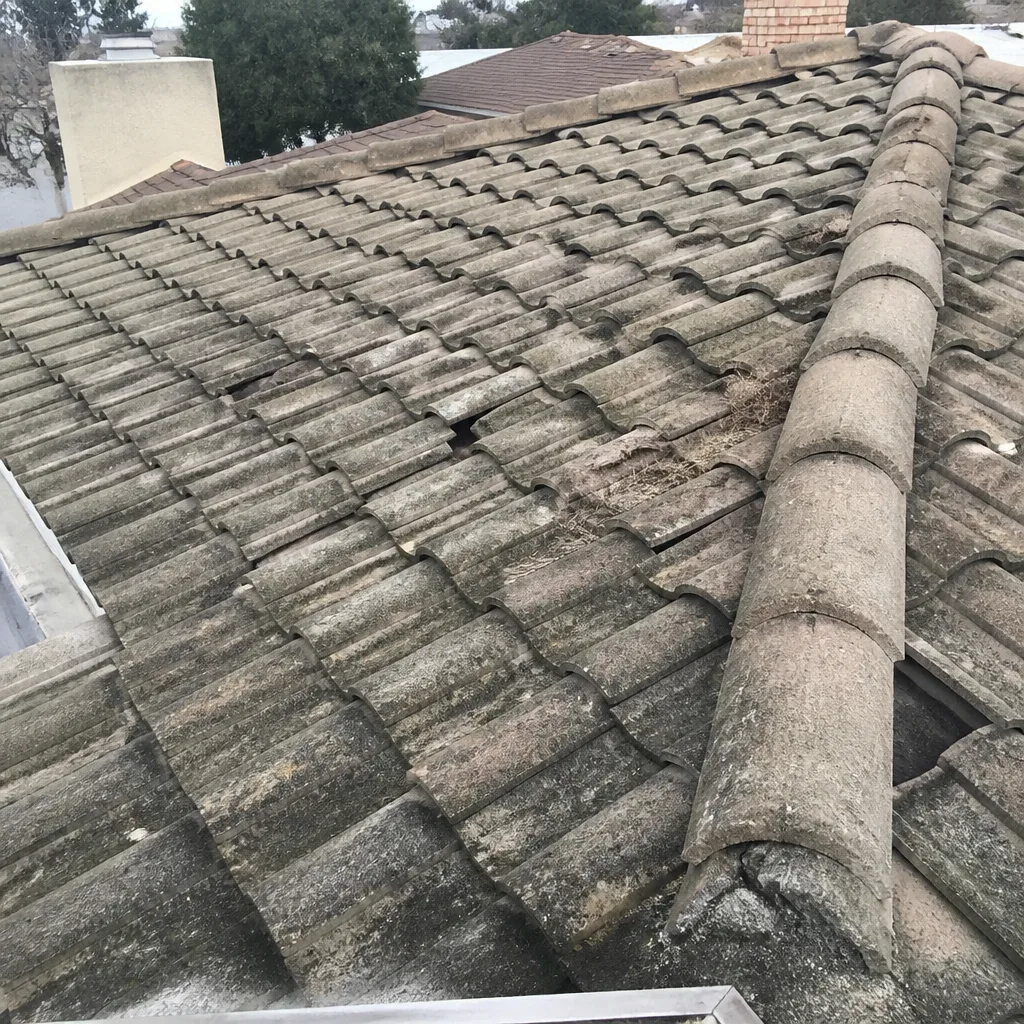 Before
 After
 Before
 After
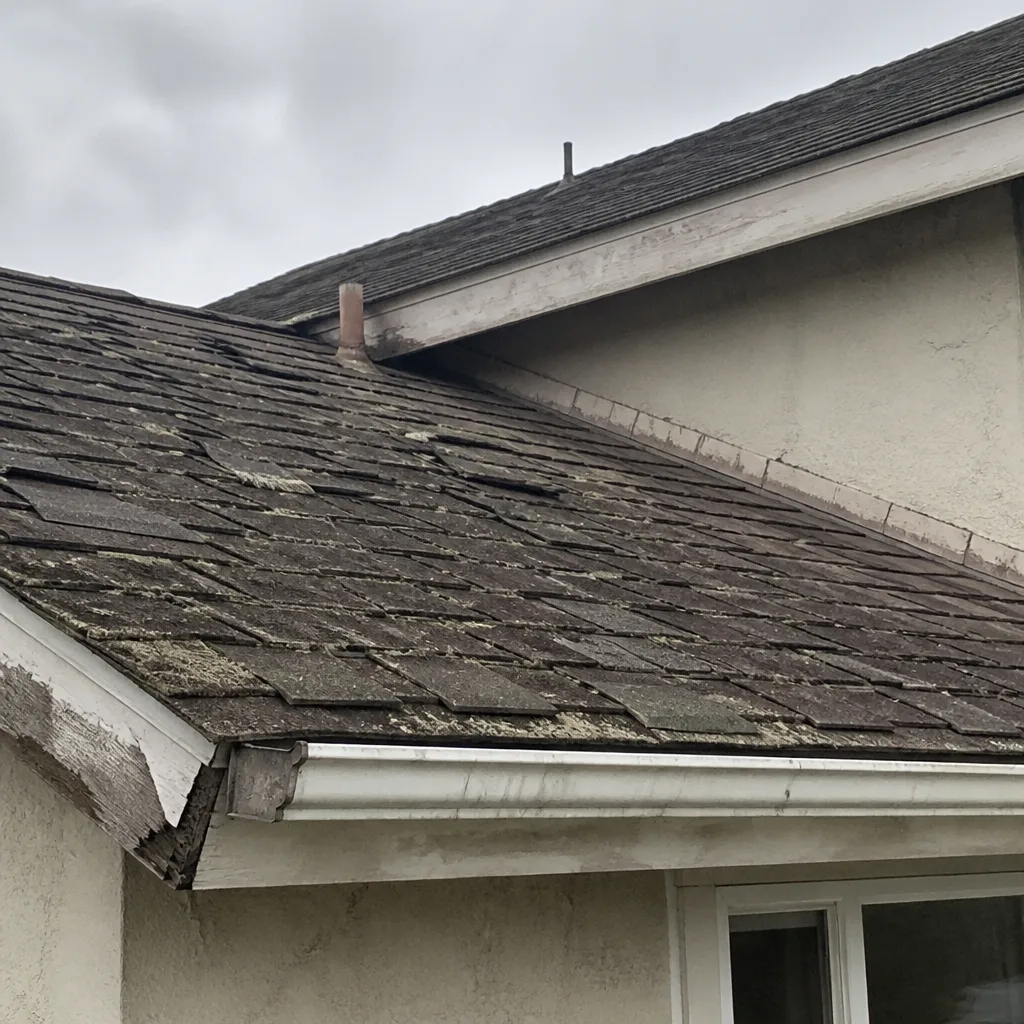 Before
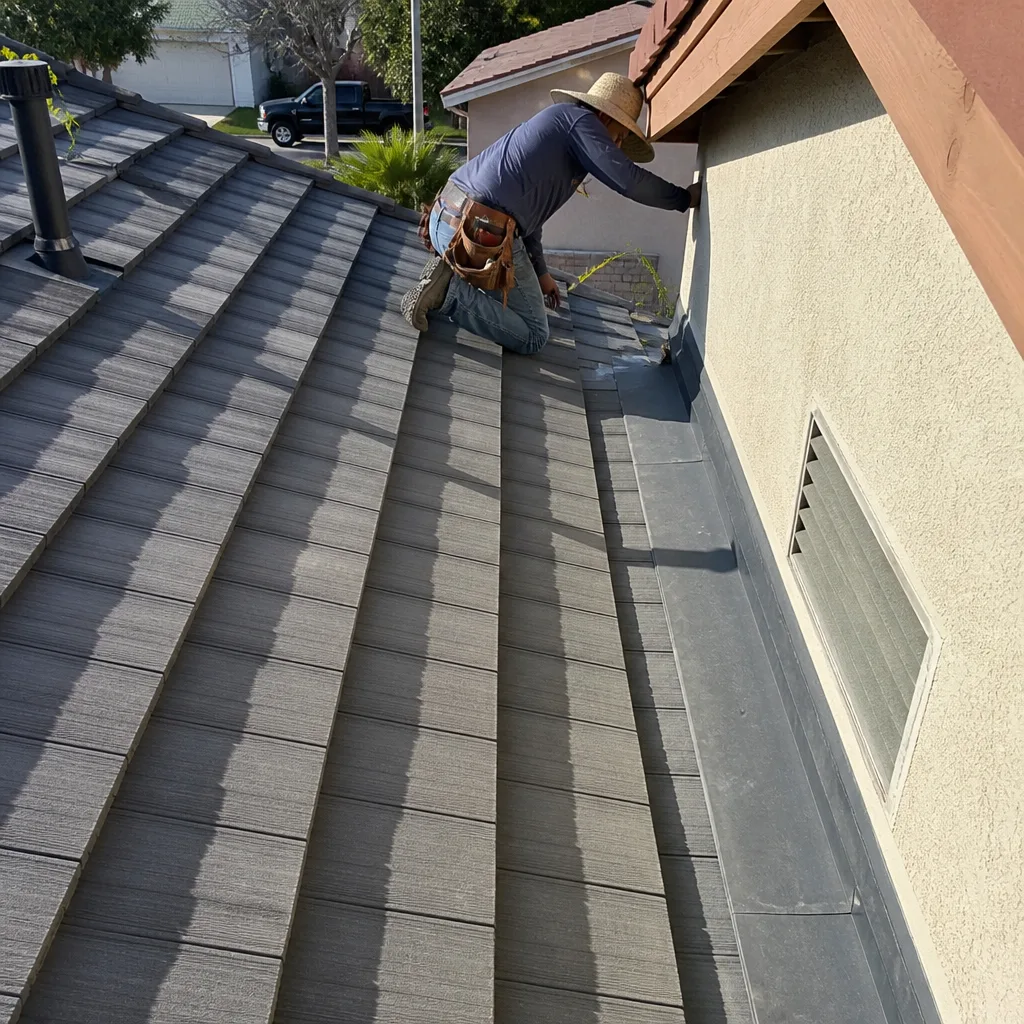 After