
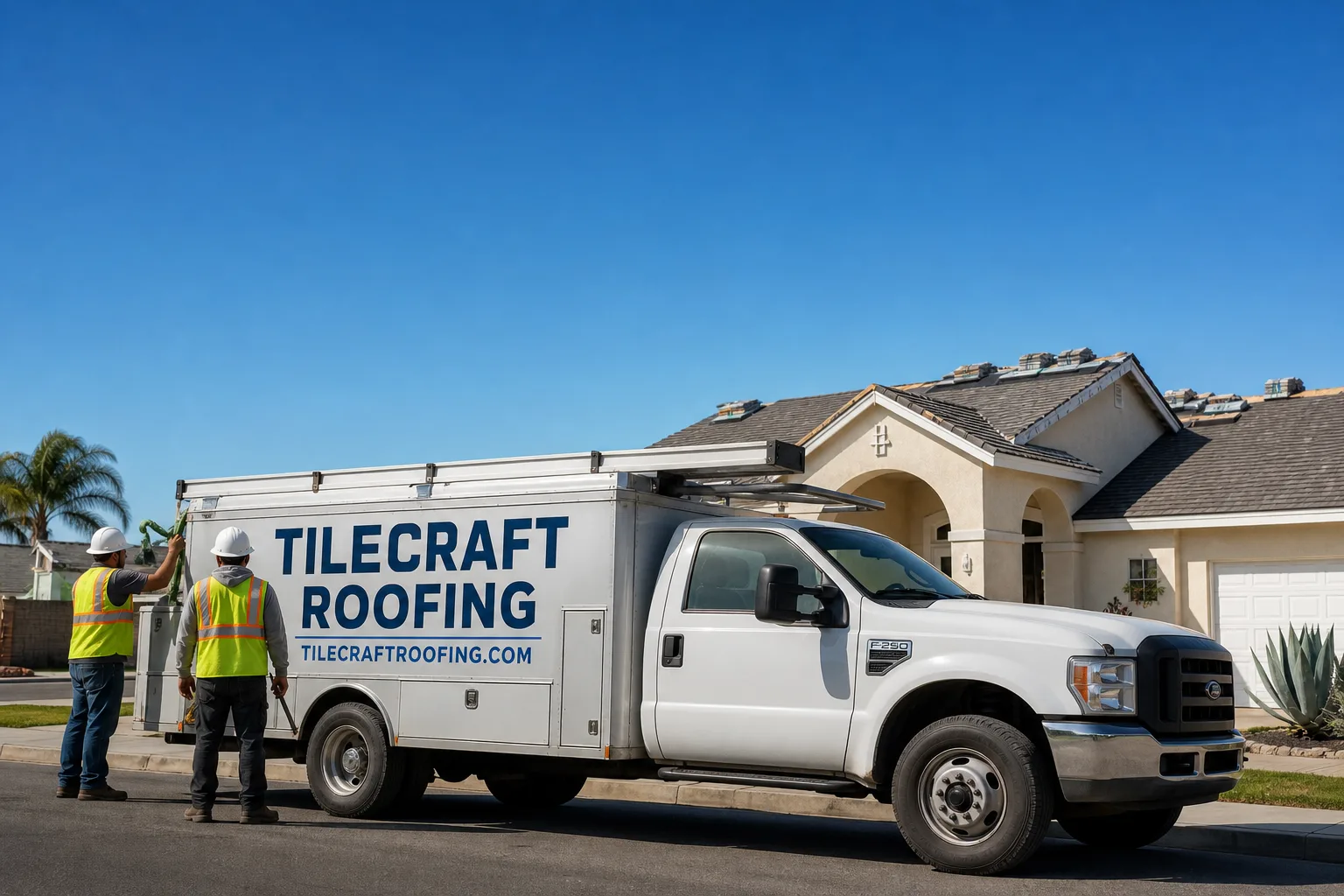
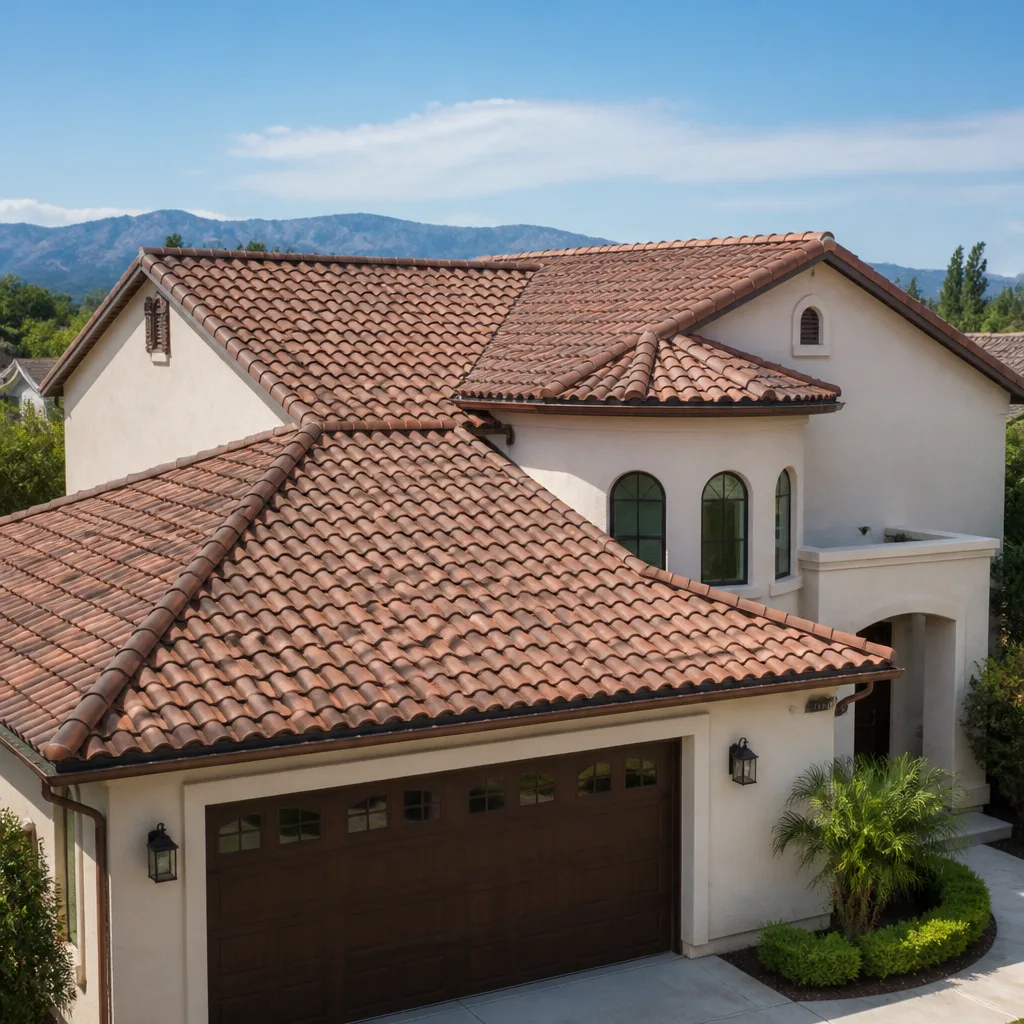
 Tile roofing
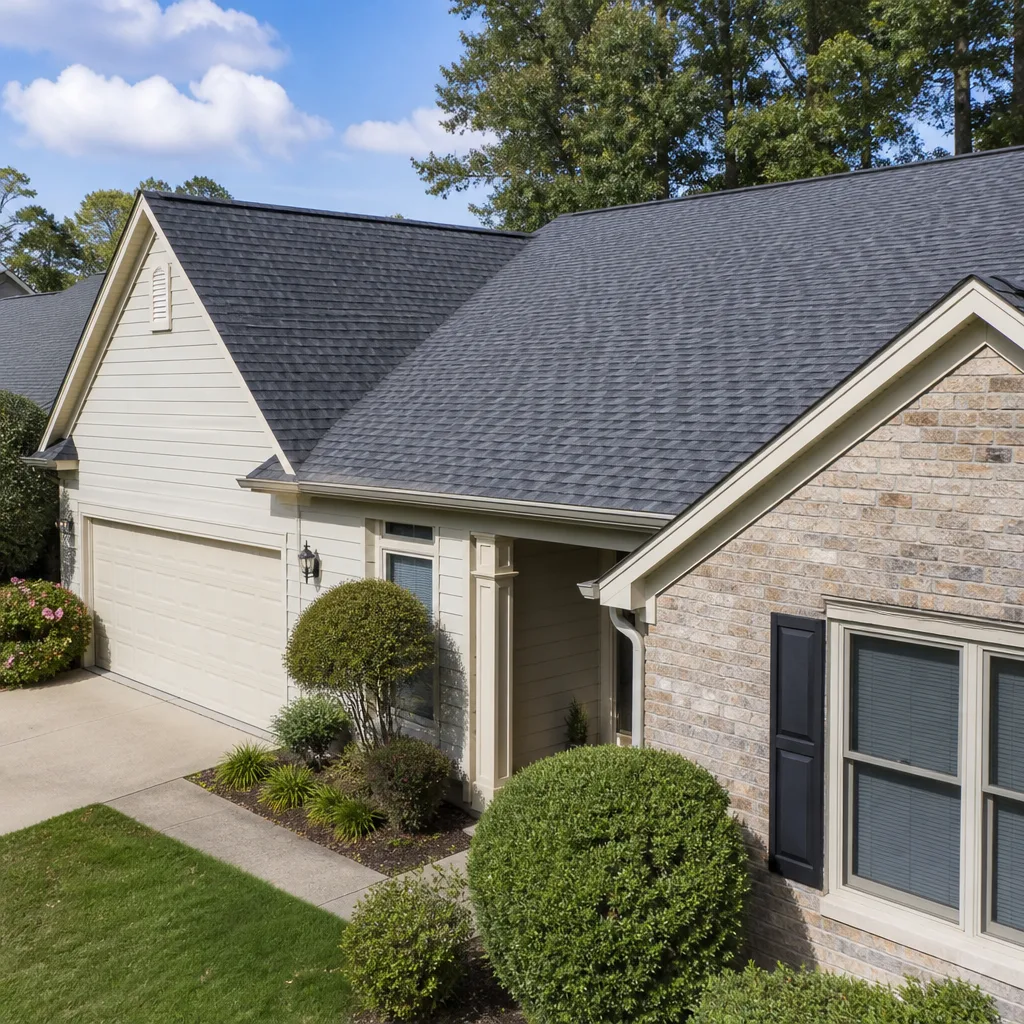
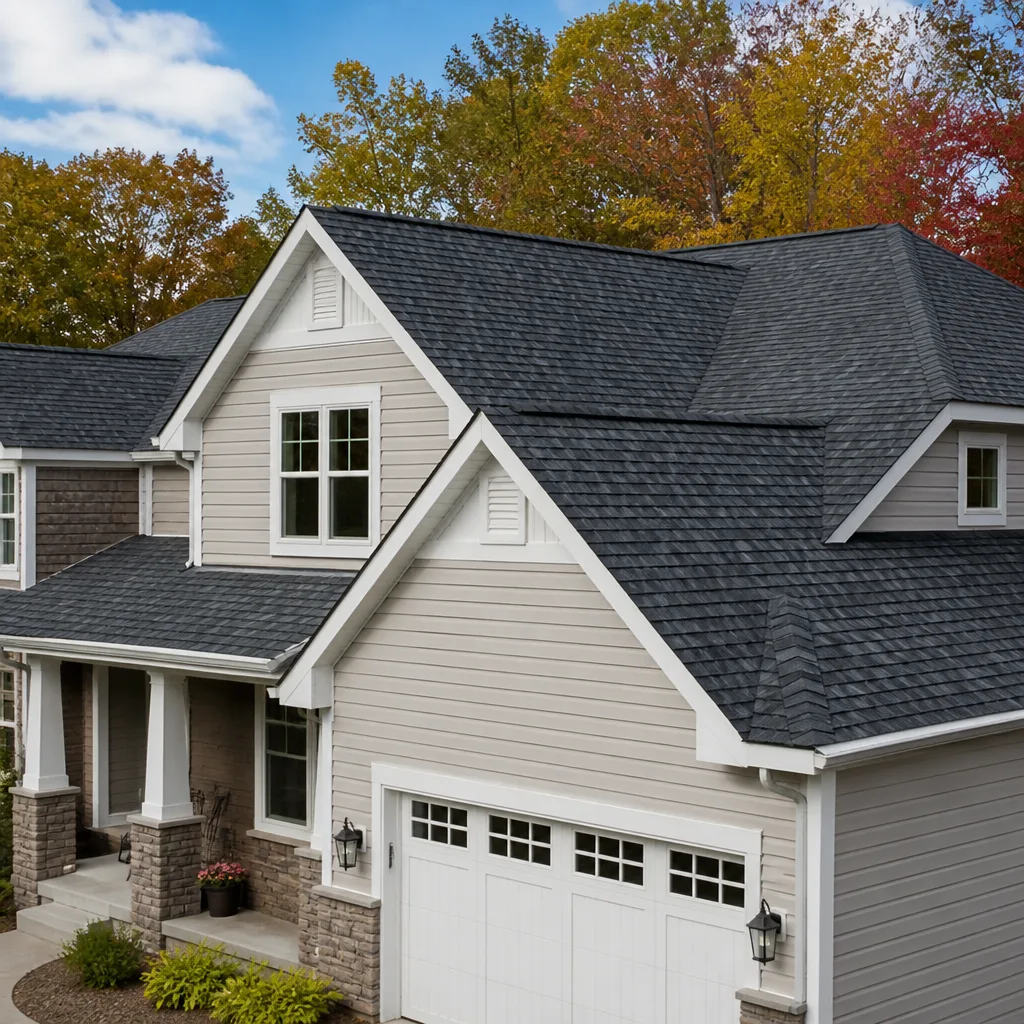
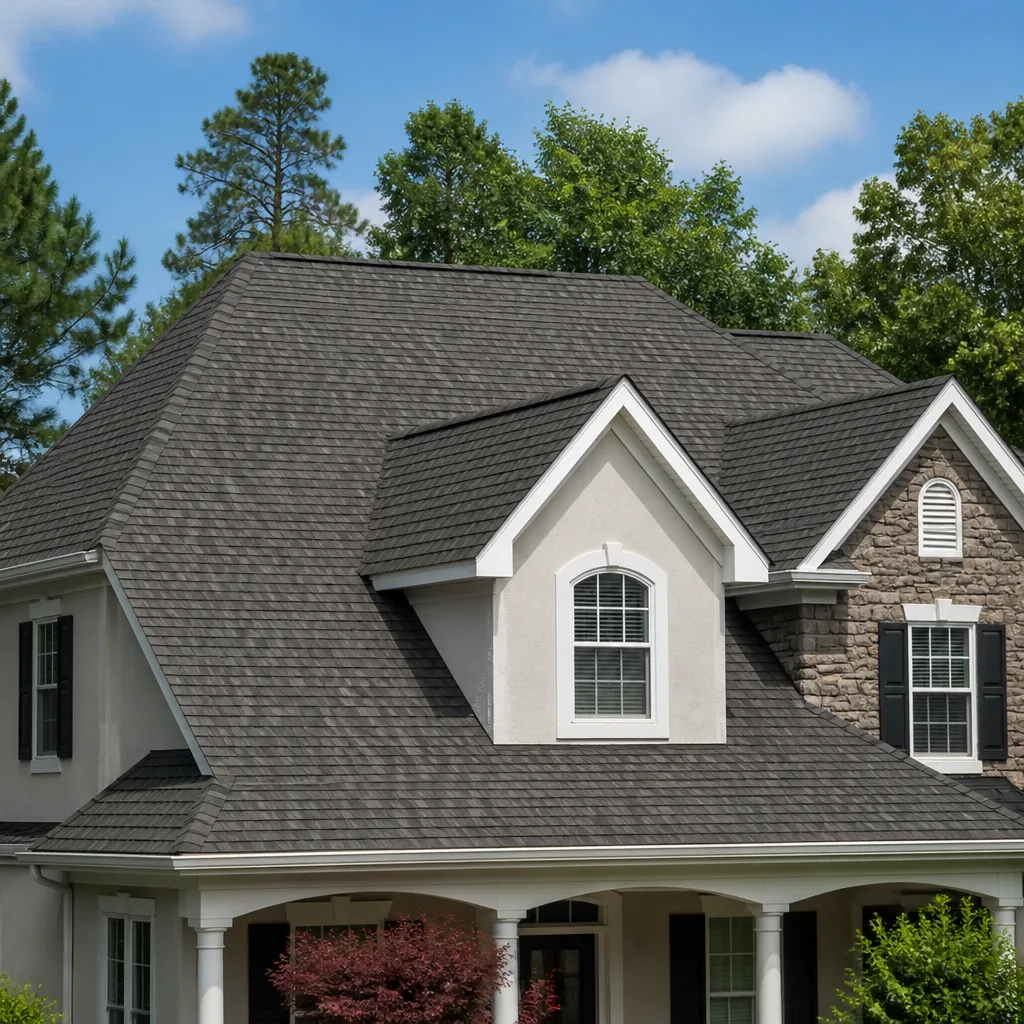 Architectural shingles
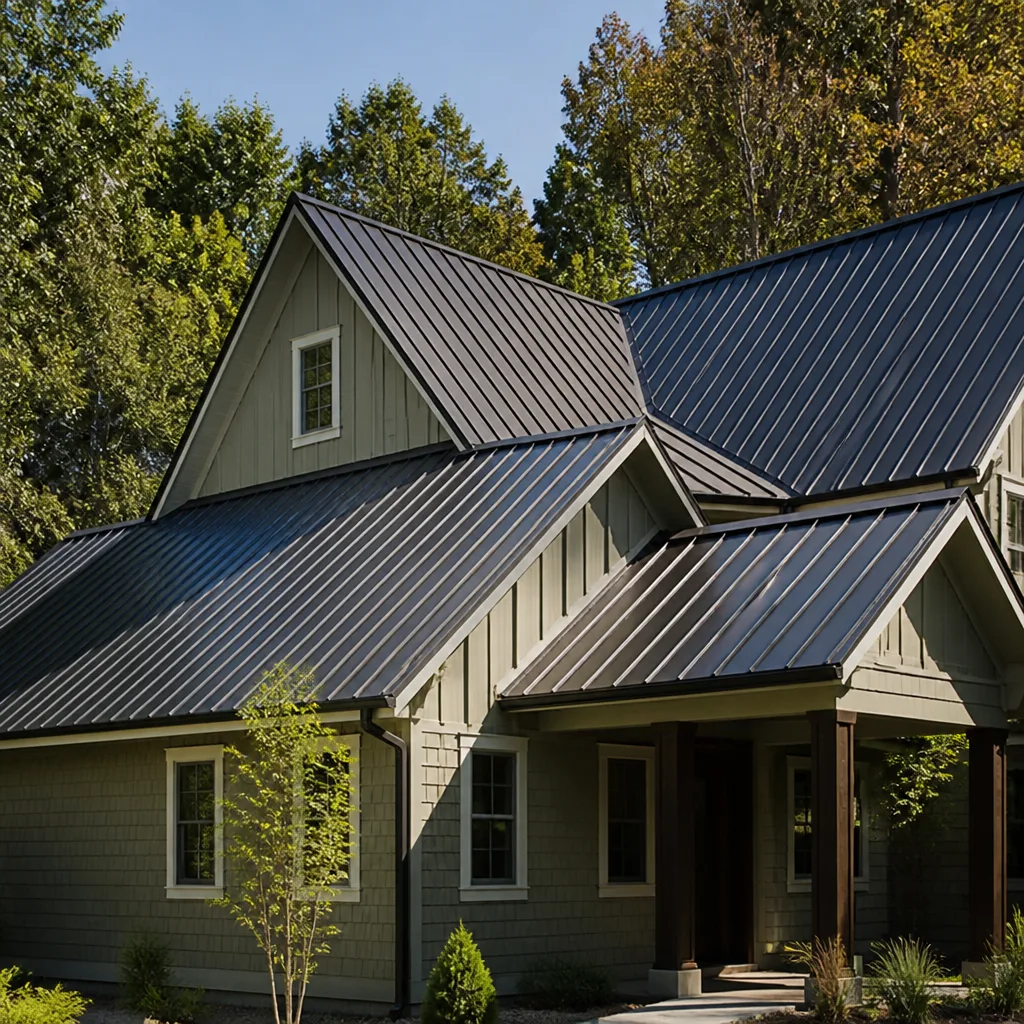 Metal roofing
 GAF
 Owens Corning
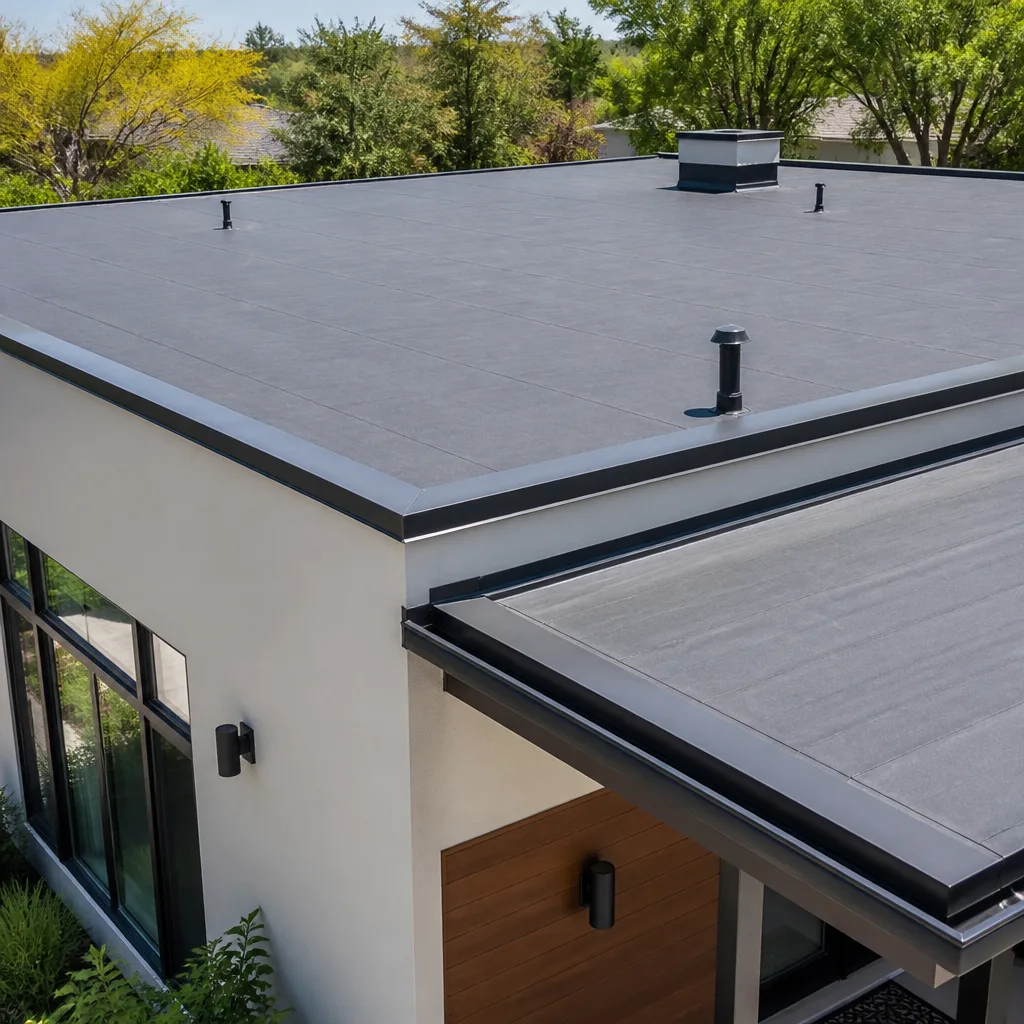 Flat & low-slope
Free roof inspection with deck photos before we talk money - GAF and Owens Corning certified installation
Roof Repair in Hawaiian Gardens: What It Costs and What Actually Fails Here
Roof repair in Hawaiian Gardens typically runs $350 – $850 for a targeted fix like a leak, flashing replacement, or vent boot reseal, while a failed flat-to-pitch transition over an enclosed patio or converted garage can push $1,200 – $2,400 because the underlying sheathing and fasteners usually need correction, not just a patch. Most repairs on Hawaiian Gardens homes take one crew four to eight hours, and we keep parts for the shingle brands common on 1950s – 1970s tract homes in our Santa Ana yard so we’re not waiting on a distributor when you need a fix. Call (833) 467-4846 and we’ll walk you through what’s actually going on before you spend a dollar.
Hawaiian Gardens sits close enough to the coast that the marine layer reaches it most nights, carrying salt and moisture over a one-square-mile grid of tight lots, mid-century stucco homes, and rooflines that have been added onto for sixty years. That combination decides what fails on a roof here and what it costs to fix it right. A repair that just slaps a patch over a rusted flashing detail will fail again within a season or two. We build repairs to the coastal-spec standard this city actually needs.
Our Roof Repair crew has worked enough of the 90716 grid to know that the house on Wardham Avenue with the enclosed patio has a different roof assembly than the one on Norwalk Boulevard with the converted garage, even when they look the same from the street. Ruben Castellano, who leads our crews, likes to say that in Hawaiian Gardens the roof tells you what’s been added, what was patched, and what never got permitted. You just have to open it and look.
Key takeaways:
- Targeted roof repairs in Hawaiian Gardens run $350 – $850; transition and flashing rebuilds run $1,200 – $2,400.
- Builder-grade galvanized fasteners rust through fast here because of the nightly marine layer, even though you’re not on the beach.
- Most homes have layered roof assemblies from decades of additions, enclosed patios, and converted garages. Nonconforming junctions are where city inspectors focus.
- We stock parts for IKO, Atlas, and Tamko shingle systems locally, so same-week repairs don’t get held up waiting on materials.
How the Marine Layer Decides What Fails on a Hawaiian Gardens Roof
Hawaiian Gardens is not a beach city, but the marine layer doesn’t care about municipal borders. It rolls inland through Long Beach and Cypress and settles over this one-square-mile grid most nights, carrying salt-laden moisture that condenses on north-facing slopes and in shaded valleys where the sun never burns it off. The builders who put up these 1950s – 1970s tract homes used electro-galvanized nails and fasteners, the cheapest spec available at the time. Those nails have been corroding quietly for fifty years. When a patch fails in Hawaiian Gardens, the leak is rarely the shingle. It’s the fastener underneath it rusting through the underlayment and bleeding a rust stain down the roof deck.
We’ve opened roofs here and found the original sheathing still present under two newer layers, the flat patio roof tied into the pitched roof at a bad transition, and rusted fasteners bleeding through the underlayment at every penetration. That’s the real condition of a Hawaiian Gardens roof after six decades of additions and patches. A repair that doesn’t address the corrosion and the nonconforming junction will get flagged by the city inspector, and it should.
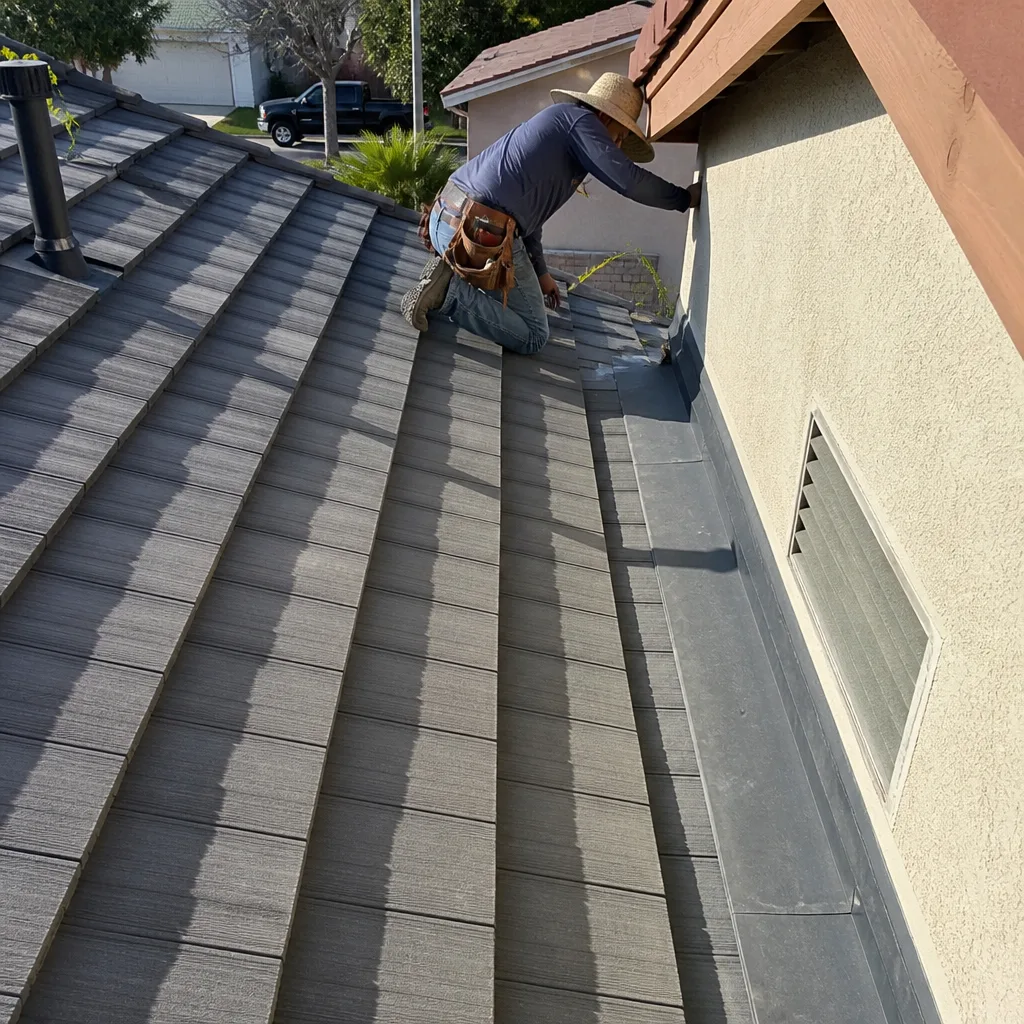
On a compact lot off Pioneer Boulevard, our crew opened a low-pitch roof over a converted garage and found exactly that: original sheathing under two newer layers, a flat patio roof tied in at a bad transition, and rusted fasteners bleeding through the underlayment. We rebuilt the flashing detail at that junction, laid new ice and water shield through the valleys, and reset the drip edge and fascia with hot-dip galvanized hardware so the repair would pass the city inspection and hold up to the marine layer. That’s what a roof repair in Hawaiian Gardens actually looks like when it’s done to last.
Roof Repair in Hawaiian Gardens is rarely a simple tear-off. It’s navigating tight access, layered roof assemblies from decades of patches, and strict city code enforcement on a one-square-mile grid. A roofer who’s never worked the 90716 grid will quote it like a clean tear-off somewhere else, and the inspector will find what the roofer didn’t.
Styles & brands we work with
Why Tilecraft Roofing Is Hawaiian Gardens’s Preferred Roof Repair Company
Tilecraft Roofing has spent years working the Hawaiian Gardens housing stock, and that’s not a marketing line. The city’s 1950s – 1970s single-story stucco tract homes all share the same failure DNA: low-pitch roofs, original sheathing under layered reroofs, enclosed patios and converted garages creating multi-level rooflines, and builder-grade fasteners that rust through at the worst possible places. You can’t learn that from a satellite photo. You learn it by opening roofs and fixing them right.
Our crews know Hawaiian Gardens inspections. The city is strict about reroofs that don’t address nonconforming junctions where a former flat patio roof ties into a pitched roof. We show up expecting that question, because it’s the same question on most houses here. Ruben Castellano’s crews flag it on the estimate instead of after the inspector does.
Response time to Hawaiian Gardens from our Santa Ana yard is under an hour on a normal traffic day, and we keep IKO, Atlas, and Tamko stock in the yard so we’re not waiting on a distributor when a valley is leaking. Seven leading brands, one crew, and we look before we quote. That’s the whole approach: inspect first, repair what actually needs repair, replace only when replacement is genuinely warranted.
Roof Leak Repair in Hawaiian Gardens
Roof Leak Repair in Hawaiian Gardens usually means tracing a water stain back through a layered roof assembly to the actual entry point, which is often fifteen feet from where the stain shows on the ceiling. Leaks on this city’s homes travel along old underlayment seams, through rusted fastener holes, and into the flat-to-pitch transitions over enclosed patios before they ever show up inside. A leak repair here runs $350 – $650 when it’s a single penetration or flashing point, but a leak at a nonconforming transition where a flat patio roof meets the pitched main roof typically runs $1,200 – $1,900 once we open the area, rebuild the junction, and replace the rusted fasteners with hot-dip galvanized or stainless hardware.
Corrosion-driven leak repair
The most common leak source on a Hawaiian Gardens roof is not a torn shingle. It’s a builder-grade nail that rusted through at a pipe boot, a valley, or a wall flashing, letting the marine layer’s moisture wick under the underlayment. We cut out the corroded section, replace the fasteners with hot-dip galvanized or stainless, and reseal the penetration with new flashing so the repair doesn’t die from the same cause in two seasons.
Flat-roof-to-pitch transition work
When a former patio roof was tied into the main pitched roof decades ago, that junction is where leaks start and where inspectors look first. We rebuild the transition with proper flashing, new underlayment through the valley, and drip edge that actually sheds water instead of trapping it. This is roof-specific work, not a generic patch, and it’s the repair that prevents the city from flagging a later reroof.
Emergency Roof Repair in Hawaiian Gardens
Emergency Roof Repair in Hawaiian Gardens is what you need when a winter storm rips a section of valley free, or when a leak opens up over a bedroom during a heavy rain, or when a roofer opened the roof and found the sheathing is too far gone to close back up. Most emergency work here is storm-driven and happens between December and March, when the same marine layer that corrodes fasteners all year finally meets real rainfall. A tarp and temporary dry-in for a Hawaiian Gardens emergency runs $300 – $600, and the permanent repair that follows runs $500 – $1,500 depending on how much flashing, underlayment, and sheathing correction the open roof reveals.
Storm damage response
After a heavy rain, the first call we get from Hawaiian Gardens is usually about a stain that just appeared on a bedroom ceiling. We get out, trace it while the roof is still wet when possible, and make the temporary repair that stops the water before it soaks the insulation and drywall. The permanent fix comes after, with a written line-item quote so you know what’s emergency work and what’s follow-up.
Inspection-triggered urgent repairs
Sometimes an emergency is one the inspector just found: a reroof job stopped because the nonconforming transition is worse than the estimate assumed, or an open permit that can’t close until the junction is corrected. We handle those as urgent repairs, not full replacements, and we carry the hardware and flashing stock to turn them around fast so the inspection can be rescheduled.
Trusted Brands We Service in Hawaiian Gardens
Tilecraft Roofing is authorized to install products from seven roofing manufacturers, and for Hawaiian Gardens homes that matters most in the repair phase. If your roof carries IKO shingles, we stock IKO matching components and can blend a repair into the existing field without a visible patch. If it’s an Atlas or Tamko system, same thing: we’re not substituting whatever we have in the truck. We look before we quote, and the quote names the product, not a generic “comparable shingle.” On the premium end, our Boral partnership means we can also work on tile and specialty systems that most local repair crews won’t touch, which matters on the few Hawaiian Gardens homes that went to clay or concrete tile over the decades. One crew, seven brands, and the right material for your roof, not for our inventory.
See the difference
 Before
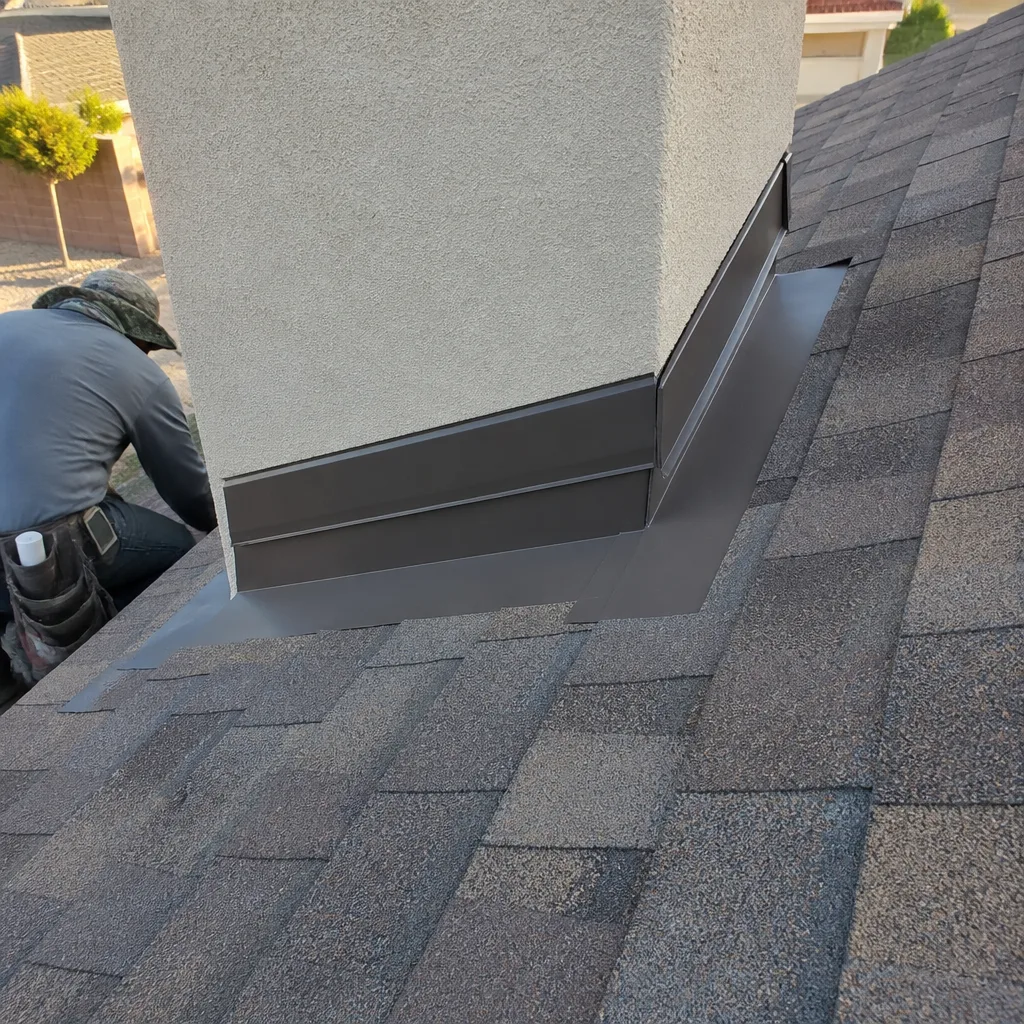 After
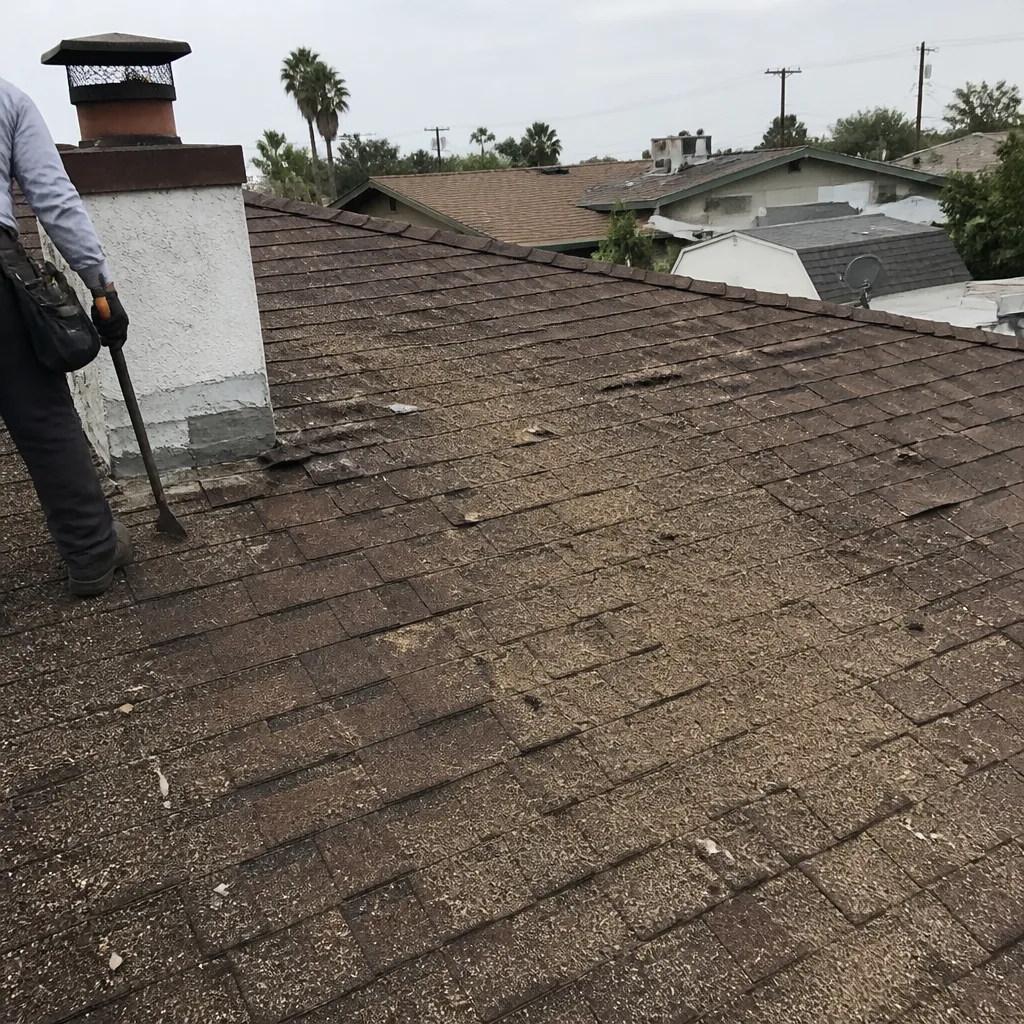 Before
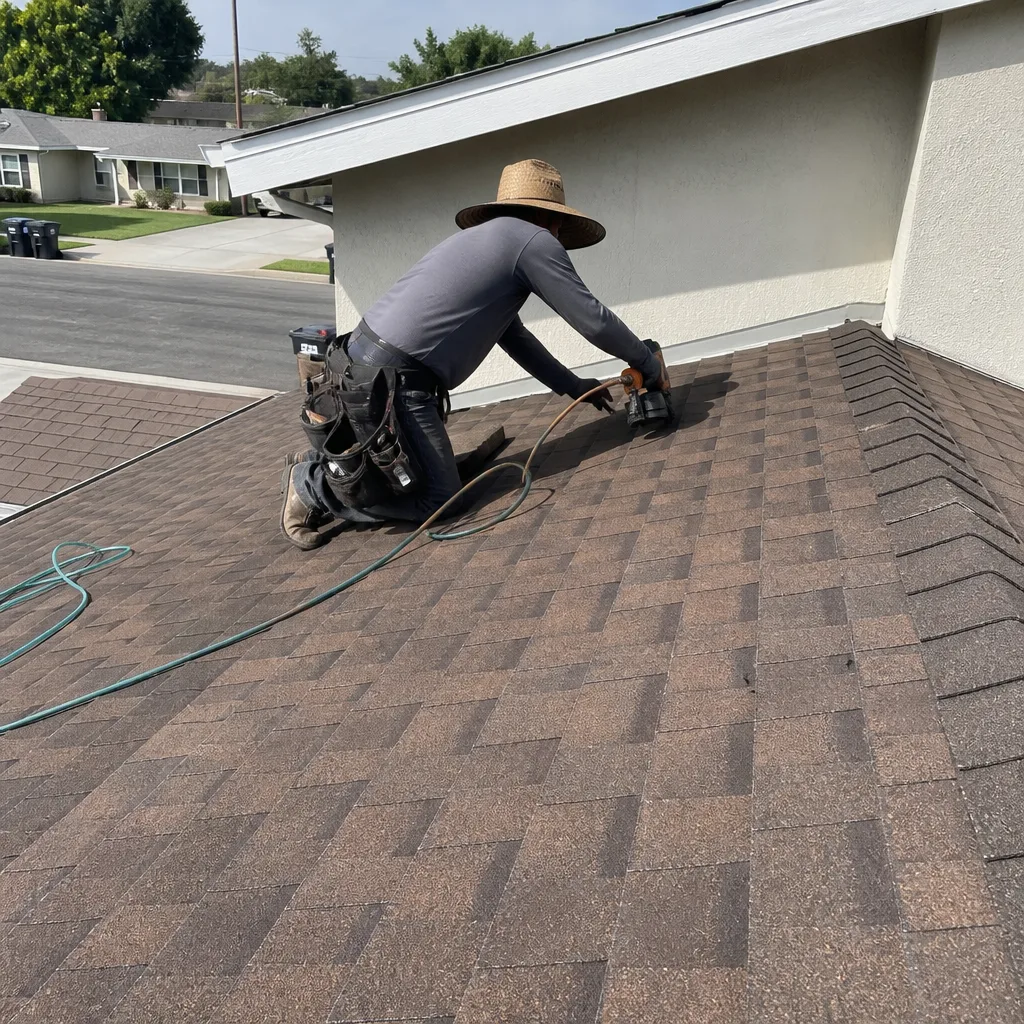 After
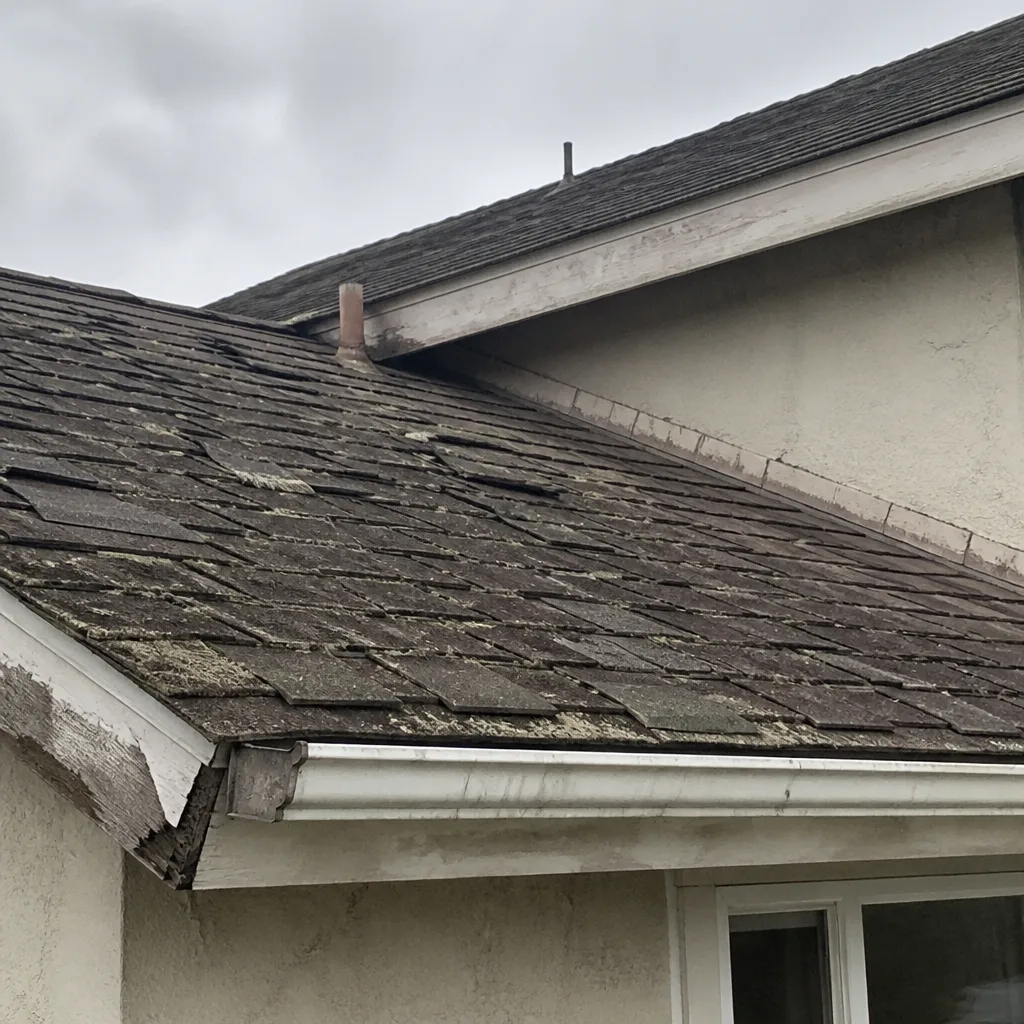 Before
 After
Common Roof Repair Problems We See in Hawaiian Gardens Homes
- Rusted builder-grade fasteners at every penetration: The nightly marine layer in Hawaiian Gardens keeps electro-galvanized nails wet long enough to flash-rust, and fifty years later those rust colonies are holes through the roof deck. We swap them for hot-dip galvanized or stainless as part of every repair we open.
- Nonconforming flat-to-pitch junctions over patios and garages: The enclosed patio and converted garage wave happened all over Hawaiian Gardens, and many were never properly transitioned into the main roof. These junctions leak, and city inspectors flag them when a reroof permit is pulled.
- Layered roofs over original sheathing: Two or three layers over the original 1950s sheathing means a repair in one spot can expose decking that’s been wet for decades. We don’t patch over rotted sheathing; we cut it out and correct it.
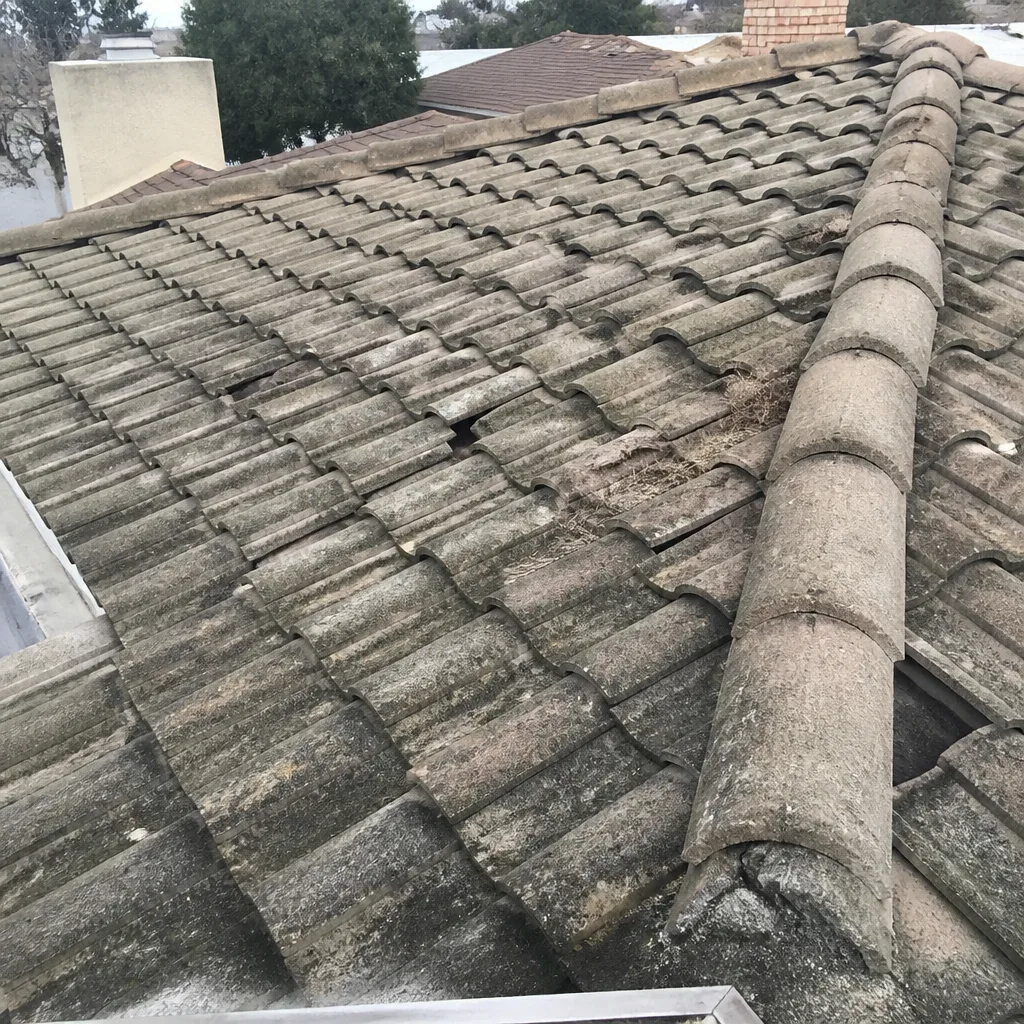
- Moss and algae on north-facing slopes: Salt-laden marine-layer moisture promotes moss and algae growth on north-facing slopes and shaded valleys, and old underlayment and flashing seams were never sealed against it. The growth isn’t the failure; the corroded metal under it is.
Pricing for Roof Repair in Hawaiian Gardens, CA
You should expect a targeted roof repair in Hawaiian Gardens to run $350 – $850 for the common jobs: vent boot reseals, single flashing replacements, small valley repairs, shingle replacement on a simple slope. A corrosion-driven leak that needs the area opened, fasteners replaced, and new underlayment runs $500 – $1,100. A flat-to-pitch transition rebuild over an enclosed patio or converted garage runs $1,200 – $2,400, because that’s not a patch; it’s correcting a nonconforming junction the city inspector will look at. The coastal-spec hardware we use costs roughly 15 – 25% more than big-box galvanized fasteners, but it’s the difference between a repair that lasts and a repair that rusts through again before you’ve paid off the credit card. Every estimate is free, written, and line-itemed so you can compare it against any other bid. Call (833) 467-4846 to schedule yours.
We Also Serve Cities Near Hawaiian Gardens
Tilecraft Roofing regularly works the neighborhoods around Hawaiian Gardens, including Los Alamitos, Cypress, La Palma, and Rossmoor. If your home sits on the edge of the 90716 grid or just outside it, the same crew and the same hardware stock serve you. Call (833) 467-4846 and we’ll tell you what we see in your area.
Serving Hawaiian Gardens, CA — Our Local Coverage Area
We’re based in the Hawaiian Gardens area and know this community well. Use the map below to see our service coverage — if you’re nearby, we can almost certainly help.
FAQs About Roof Repair in Hawaiian Gardens
Because the repair addressed the symptom, not the corrosion or the junction. Most repeat leaks on Hawaiian Gardens homes come from builder-grade fasteners that rusted through at a penetration or valley, or from a nonconforming flat-to-pitch transition that was never rebuilt. A patch over those conditions fails again within a season or two. Call (833) 467-4846 and we’ll trace the actual entry point before we quote anything.
Yes. The marine layer reaches Hawaiian Gardens most nights and carries the same salt-laden moisture that eats electro-galvanized nails at the coast, just slower. The original 1950s – 1970s fasteners on your roof were always going to fail in this environment; they just took decades to do it. Hot-dip galvanized or stainless hardware is the right spec for a repair in the 90716 grid.
Because most Hawaiian Gardens homes have layered assemblies over original sheathing, with enclosed patios and converted garages creating nonconforming junctions that a simple tear-off quote ignores. The city inspector will require those junctions to be corrected. A quote that accounts for them is honest, not expensive. Call (833) 467-4846 for a written, line-itemed estimate that shows the difference.
If the repair touches a nonconforming junction or a layered roof assembly, yes, the inspector will look at it, especially when a reroof permit is involved. We build repairs to pass inspection the first time by correcting the junction rather than hiding it. That’s why we look before we quote.
Look at the hardware spec, not just the price. A bid that uses hot-dip galvanized or stainless fasteners and addresses the flat-to-pitch transition is going to cost more than one that doesn’t, and it’s the one that won’t fail again in two seasons. Ask both bidders to line-item the fastener and flashing materials. Then call (833) 467-4846 for ours.
Written by Ruben Castellano, Owner at Tilecraft Roofing, serving Hawaiian Gardens and the surrounding LA Basin with inspection-first roof repair and replacement.