
Last updated October 31, 2026
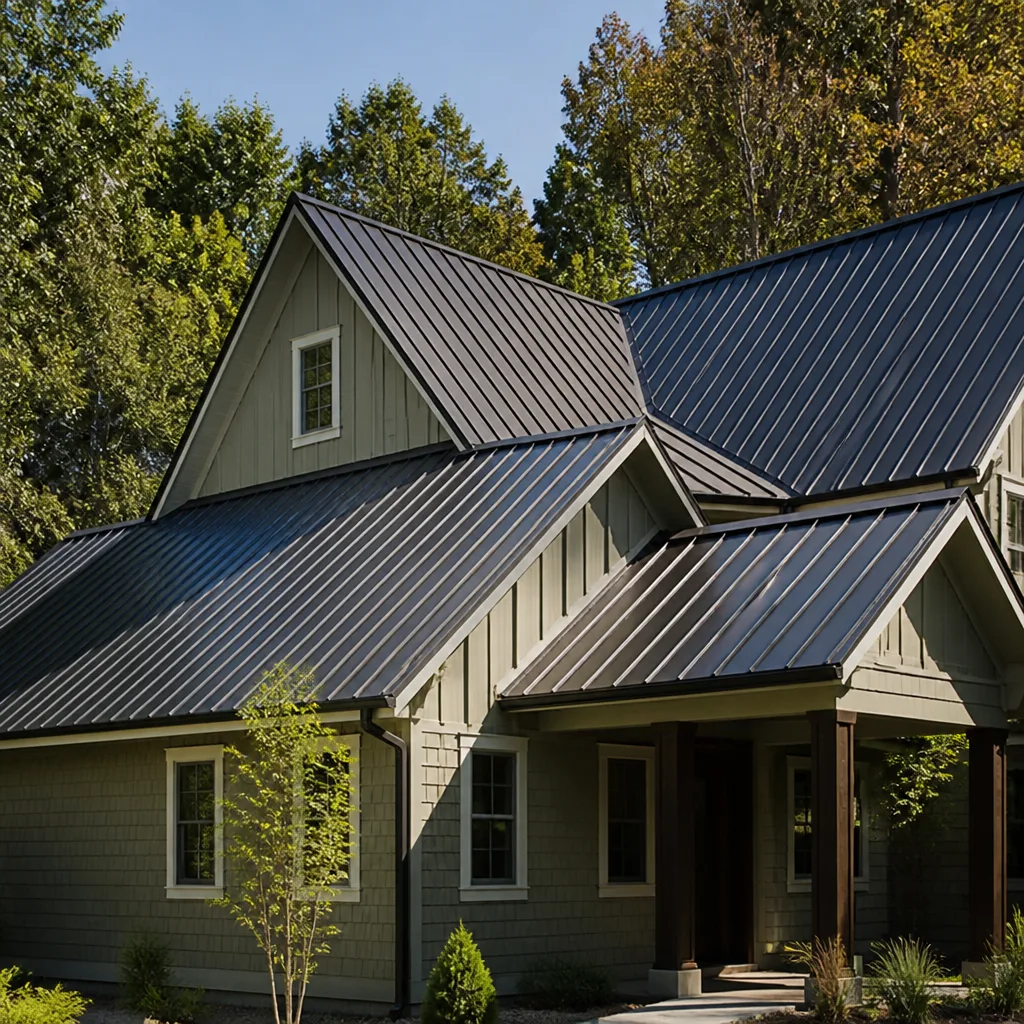 Metal roofing
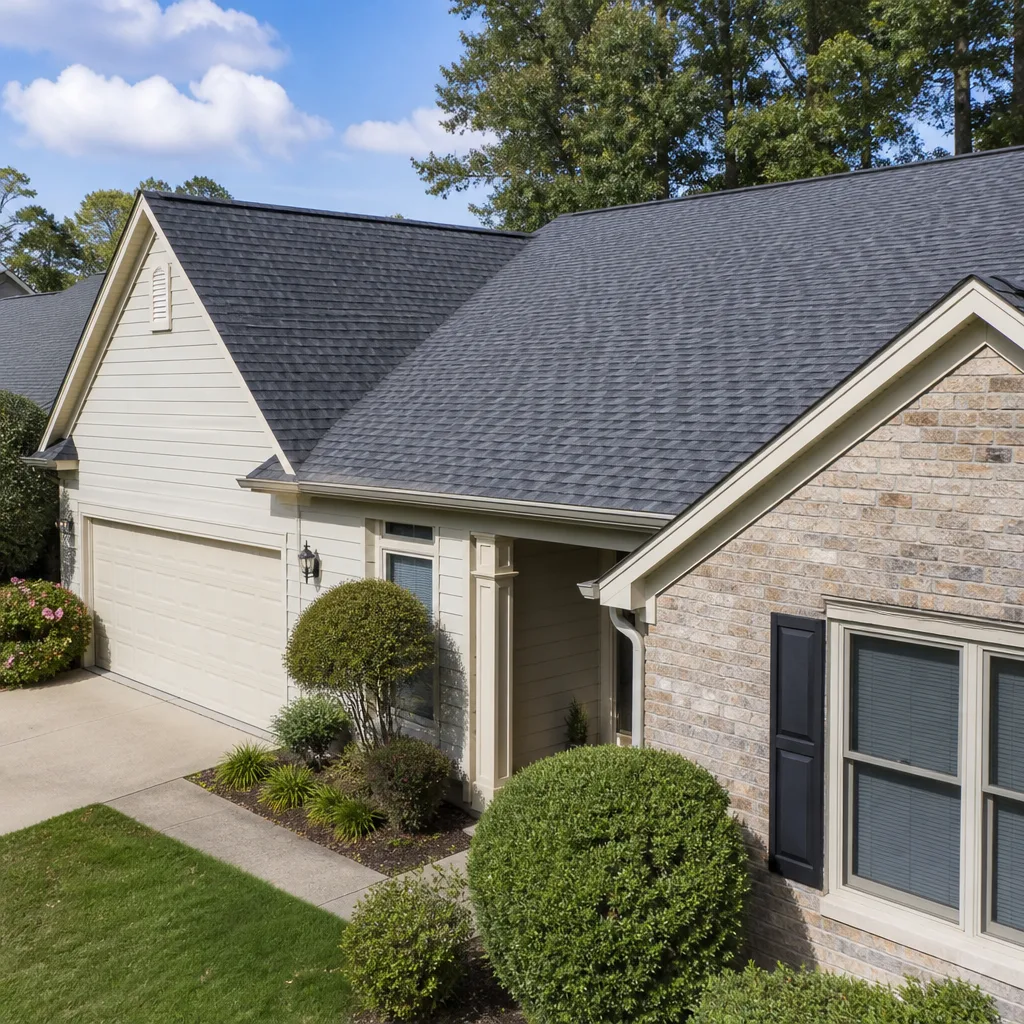
 Architectural shingles
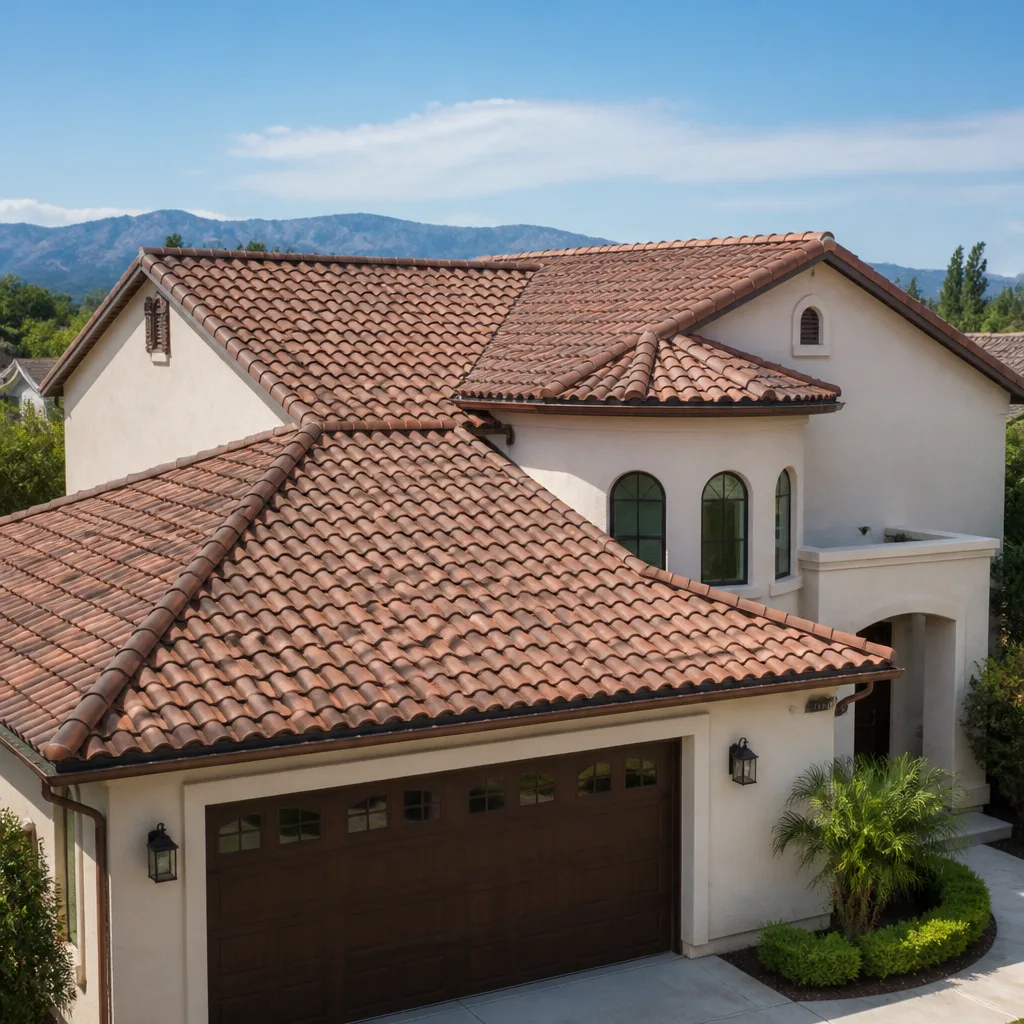 Tile roofing
 GAF
 Owens Corning
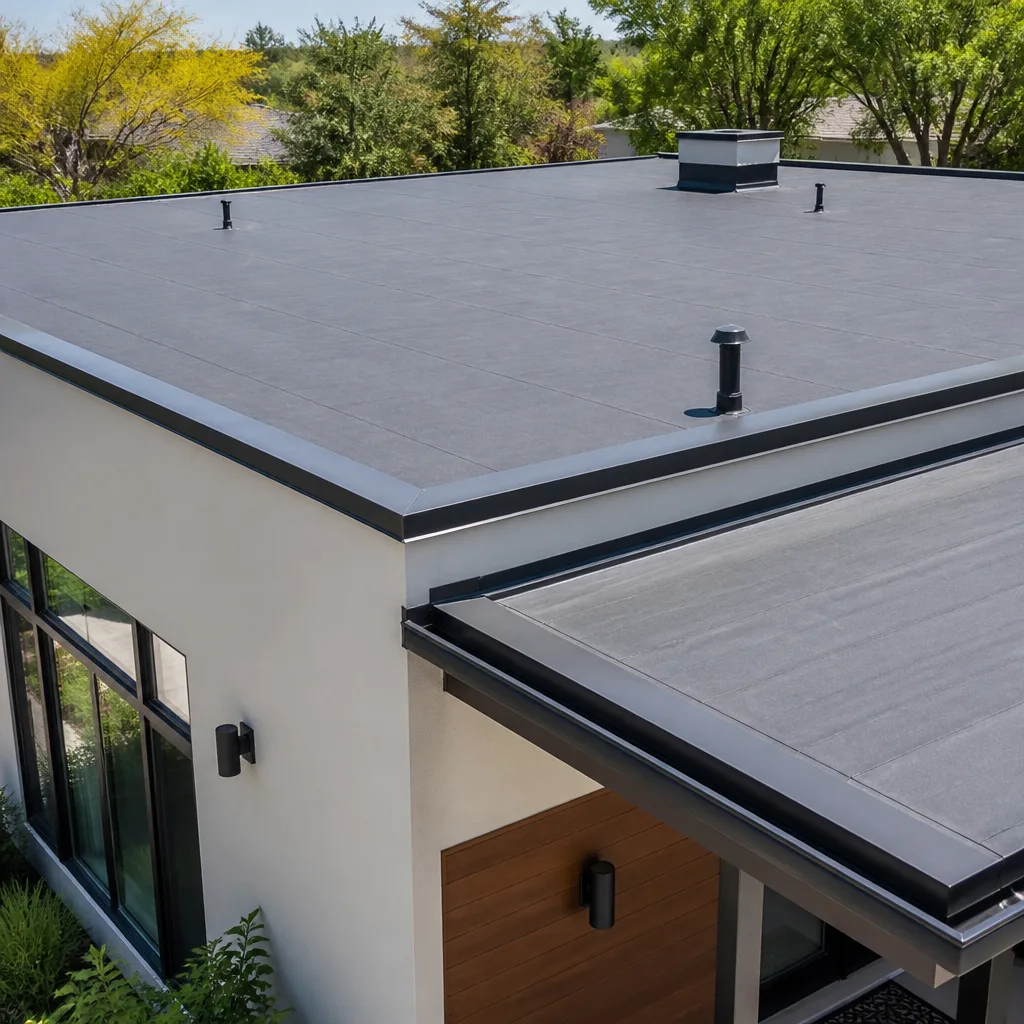 Flat & low-slope
Free roof inspection with deck photos before we talk money - GAF and Owens Corning certified installation
DIY vs Professional Roofing: The Santa Ana Homeowner’s Decision Guide
Most Santa Ana homeowners who decide to repair their own roof do it to save money. Then the Santa Ana winds arrive in October, lift a poorly sealed course of shingles, and the insurance adjuster uses one phrase that turns a $400 savings into a $14,000 denied claim: faulty workmanship. This guide covers what California law actually lets you do on your own roof, where DIY is genuinely reasonable, where it becomes a liability, and how the real cost comparison shakes out when you factor in warranties, permits, and the resale value of your home.
Styles & brands we work with
Quick Answer
DIY roofing makes sense for a narrow set of low-risk maintenance tasks: clearing Santa Ana’s eucalyptus debris from valleys and gutters, sealing a visible gap in roof cement around a vent pipe, or replacing a single visibly damaged shingle with the correct matching product. Full roof replacement and structural repair are not DIY projects in California; they require a C-39 roofing license, permits from the City of Santa Ana, and documented workmanship to keep both your insurance coverage and manufacturer warranties intact.
>
Table of Contents
- What California Law Actually Permits Homeowners to Do
- Where DIY Is Genuinely Reasonable (and Where It Is Not)
- How DIY Work Affects Manufacturer Material Warranties
- The Real Cost Comparison: DIY vs. Professional in Santa Ana
- Santa Ana-Specific Risk Factors
- The Insurance Gap: How Unpermitted Work Gets Claimed Out
- What a Licensed Contractor Does Differently
- Common Mistakes to Avoid
- When to Call a Professional
- Frequently Asked Questions
What California Law Actually Permits Homeowners to Do
California Business and Professions Code Section 7048 contains a homeowner exemption. It says a person who owns and occupies a residence may perform work on that residence without a contractor’s license, provided the work is not part of a sale or rental transaction and the homeowner does not hire unlicensed labor to do the work for them. That exemption sounds broad. It is not. In practice, the City of Santa Ana building department treats structural roofing work differently than cosmetic touch-up, and the distinction matters.
Here is what the homeowner exemption realistically covers on a roof:
- Clearing debris from gutters, valleys, and scuppers by hand or with a leaf blower from the roof surface.
- Applying roof cement or sealant to a small, clearly identified gap around a vent pipe, chimney flashing joint, or a nail pop, provided the underlying structure is sound.
- Replacing one or two shingles that are cracked or blown off, using nailing patterns and exposure that match the existing field, as long as the underlayment beneath is intact.
- Painting a metal roof with a product specified by the panel manufacturer, assuming no structural fasteners are disturbed.
Here is what crosses into contractor territory under California law and Santa Ana municipal code:
- Replacing underlayment. The moment you peel back felt or synthetic underlayment, you have altered the roof assembly. Santa Ana requires a re-roof permit for this, and the permit application requires a licensed contractor or an owner-builder declaration with a signed liability acknowledgment.
- Re-flashing a chimney, skylight, or wall intersection. Flashing work involves cutting into stucco, masonry, or siding, and a failed flashing detail is the single most common source of leak claims in Santa Ana homes built in the 1960s and 1970s.
- Any work involving the roof deck. If you can see plywood or skip sheathing, the job is structural. California’s Title 24 energy code also triggers when roof decking is exposed on homes with conditioned attics, which adds insulation and ventilation requirements a homeowner cannot self-certify.
- Installing or modifying roof-mounted equipment that penetrates the roof plane, including new skylights, solar vents, or exhaust stacks.
The practical line: if the work can be undone without changing the roof assembly, DIY is defensible. If it changes how the roof sheds water or how its layers interact, you need a licensed contractor. We look before we quote, and that inspection-first process is often what separates a $200 maintenance call from a $20,000 re-roof discovery in Santa Ana’s older housing stock.
Where DIY Is Genuinely Reasonable (and Where It Is Not)
Some roof maintenance tasks are not just okay to do yourself; they are better done yourself, because they are recurring, low-skill, and high-frequency. Other tasks look simple from the ground and become expensive mistakes by the time you are back on the ground.
Reasonable DIY tasks
- Gutter and valley clearing. Santa Ana’s mature eucalyptus, jacaranda, and pepper trees drop leaves and seed pods that choke valleys and downspouts every season. Clearing them before the first autumn rain is repetitive work that does not require licensing.
- Visual inspection from a ladder. You can and should look at your roof yourself every season: missing granules, lifted shingle edges, cracked tile, rusted flashing. Document what you see with photos. That documentation is useful if you later call us for a Roof Inspection in Santa Ana.
- Sealant touch-up around one small penetration. A tube of urethane sealant and a putty knife can close a visible gap around a vent pipe collar in under an hour. The key phrase is one small penetration, clearly visible, with no signs of water intrusion beneath.
Tasks that create more risk than they resolve
- Flashing work of any kind. Chimney, skylight, valley, and wall flashings are the highest-failure components on any Santa Ana roof. They fail because of thermal movement between materials, not because of one obvious gap. A homeowner can seal a visible gap and still have water entering through a concealed seam behind the stucco.
- Underlayment repair. Underlayment is the waterproofing layer. Shingles and tile are the wear surface. If you can see underlayment, the wear surface is already compromised, and patching one area without addressing the surrounding field creates a false sense of security. In our experience, Santa Ana homes on the Floral Park and Morrison Park historic districts often have layered roofs where old wood shake underlays hide beneath newer composition shingles. Disturbing those layers is not a repair; it is a re-roof.
- Tile replacement without matching stock. Clay and concrete tile profiles from the 1980s and 1990s are frequently discontinued. A well-meaning homeowner installs a close-match tile from a big-box store, and the profile difference channels water under the adjacent field. Boral tile systems, for example, use specific under-and-over interlock profiles that do not interchange with generic tile.
- Any work on a roof steeper than 6:12 pitch. Most Santa Ana ranch homes sit between 4:12 and 6:12, but neighborhoods like West Floral Park and portions of North Tustin have steeper gables and two-story drops. A fall from a single-story roof is survivable. A fall from a two-story gable onto a concrete patio is often not.
How DIY Work Affects Manufacturer Material Warranties
This is the section that most DIY-vs-pro guides skip, and it is where the math falls apart for self-repair. Roofing material manufacturers write their warranties with an assumption: the product was installed by a licensed contractor according to the manufacturer’s published installation specifications. When you buy a bundle of GAF Timberline shingles off the shelf at a supply house, you are buying the material only. You are not buying the warranty.
Here is what the major shingle and tile manufacturers actually require:
- Documented licensed installation. The warranty registration form asks for the contractor’s license number. Without it, the warranty is not activated for any length beyond the basic material defect period, and some manufacturers void even that if they determine the failure resulted from installation.
- Full-system installation. A shingle warranty covers the shingle only if it was installed over an approved underlayment, with approved fasteners, at the specified exposure and nail pattern. A homeowner who replaces a few shingles on a failed section cannot claim the shingles failed; the failure will be attributed to the surrounding field, which was not part of any warrantied installation.
- Inspection of the underlying deck. Manufacturers require the deck to be inspected and documented as sound before installation. If a deck failure causes the shingle failure, the warranty does not cover it.
For Santa Ana homeowners with tile roofs, this is even more restrictive. Tile manufacturers like Boral specify underlayment, battens, fastener type, and even the sealant used at hips and ridges. A homeowner who reseals a Boral tile roof with the wrong product has just voided the remaining warranty on the entire field, not just the repaired section. We carry material options from seven leading brands including GAF and Boral, and our access to manufacturer technical support means the right material for your roof is an actual recommendation, not a guess.
The Real Cost Comparison: DIY vs. Professional in Santa Ana
Let us put numbers on this, because the DIY argument usually collapses when the hidden line items appear. The chart below compares a typical Santa Ana single-story ranch home, approximately 1,800 square feet of roof area, needing a full composition shingle replacement.
| Cost Item | DIY (Owner-Builder) | Professional (Licensed Contractor) |
|---|---|---|
| Materials (shingles, underlayment, fasteners, flashing, ridge cap) | $5,800 – $6,900 (retail pricing) | $4,400 – $5,200 (contractor pricing through brand partnerships) |
| Permit fees (City of Santa Ana) | $380 – $650 | Included in scope |
| Waste disposal (tear-off, dumpster, hauling) | $700 – $1,100 | Included in scope |
| Equipment rental (nail guns, compressor, safety gear, ladder staging) | $450 – $800 | Included in scope |
| Time investment (evenings and weekends for 3 – 6 weeks) | 120 – 180 hours, unpaid | 0 hours |
| Workmanship warranty | None | Multi-year workmanship coverage |
| Manufacturer material warranty | Not activated | Activated and registered |
| Insurance coverage if the job fails | Claim likely denied (faulty workmanship exclusion) | Contractor liability policy responds |
| Total direct out-of-pocket | $7,330 – $9,450 | $9,800 – $13,500 |
The DIY option saves $2,500 to $4,000 in direct cash at the start. Then the first autumn windstorm lifts a section of ridge cap because the nails were overdriven through the shingle beneath, and the homeowner is paying a contractor to tear off the DIY roof and start over. We have seen this in Santa Ana’s Washington Square neighborhood more than once. The homeowner paid twice.
There is also the resale factor. California Civil Code requires sellers to disclose any work done without permits. If a buyer’s home inspector finds evidence of an unpermitted roof replacement during escrow, three things happen: the buyer demands a price reduction, the buyer’s lender may refuse to fund until the roof is permitted and inspected retroactively, or the deal dies. A Roof Replacement in Santa Ana done by a licensed contractor with a closed permit is a selling point. The same roof done DIY is a contingency removal risk.
Santa Ana-Specific Risk Factors
Santa Ana has a weather pattern that most roofing guides ignore because they are written for a generic national audience. Our city sits inland enough to avoid the marine layer that keeps coastal Orange County cool, and close enough to the Santa Ana mountain passes that the fall wind events are predictable and occasionally violent.
The October – November wind cycle
Between mid-October and late November, high-pressure systems over the Great Basin drive dry air through the Cajon Pass and the Santa Ana Canyon. Wind speeds at roof level regularly hit 35 – 50 mph, with gusts to 65 mph during stronger events. These winds arrive on a predictable schedule, and they do specific things to roofs:
- Lift loose shingles and tiles that have been weakened by summer UV exposure.
- Drive wind-blown debris into valleys and behind chimney flashings.
- Expose overdriven nails and unsealed shingle edges that a visual inspection from the ground would miss.
If you are doing DIY work on a roof during a high-wind-advisory day in Santa Ana, you are not just working in uncomfortable conditions. You are working against the exact force that your repair is supposed to resist, and a partially installed field is more vulnerable than the old roof was. No adhesive has cured, no sealant has set, and the exposed underlayment is now the only layer between your attic and the wind-driven rain that follows a Santa Ana event.
Eucalyptus debris and valley loading
Santa Ana’s older neighborhoods were planted with eucalyptus and jacaranda decades ago. Eucalyptus leaves are high in oil and slow to decompose. They collect in valleys and behind chimneys, holding moisture against the shingle surface and accelerating granule loss. This is a maintenance task homeowners can absolutely do themselves. The failure comes when the debris has been there long enough to rot the shingle beneath, and the homeowner discovers the rot mid-clearing.
The Insurance Gap: How Unpermitted Work Gets Claimed Out
California homeowner’s insurance policies are not uniform, but nearly all of them contain a faulty workmanship exclusion. The language varies by carrier, but the intent is consistent: the policy covers sudden and accidental damage, not damage that results from work that was performed incorrectly.
Here is the scenario we hear from Santa Ana homeowners after it is too late:
- Homeowner replaces a few shingles on a section of roof near the chimney.
- The repair looks fine from the ground for six months.
- The first significant rain of winter finds a gap between the new shingles and the old chimney flashing, which the homeowner did not touch because it looked intact.
- Water enters the attic, soaks the insulation, stains the ceiling drywall, and drips onto a bedroom floor.
- The homeowner files a claim for water damage.
- The adjuster traces the water entry to the repaired shingle area, asks who did the repair, and the homeowner says the word that voids the claim: I did.
Even if the homeowner did everything correctly, the burden of proof is now on the homeowner to demonstrate that the work met manufacturer specifications and applicable code. Without permits, without a licensed contractor’s invoice, without photographs of the underlayment before the shingles went down, the claim is denied. The insurer’s position is simple: the loss was caused by workmanship, and workmanship is not covered.
This is the liability axis that most DIY-vs-pro discussions miss. The question is not whether you can physically install shingles. The question is whether you can absorb the cost of a denied claim if the work fails. A licensed contractor in Santa Ana carries general liability coverage and workmanship history that transfers the risk off your policy and onto theirs. That transfer is worth more than the $2,500 you might save on a full replacement, and it is certainly worth more than the $400 you might save on a repair.
What a Licensed Contractor Does Differently
We are not going to claim that licensed contractors are perfect. We will claim that a licensed contractor does specific, visible things that a homeowner doing DIY work cannot replicate, and those things are the difference between a roof that lasts 25 years and a roof that fails in four.
1. The underlayment is inspected and replaced as a system
When we remove shingles on a Santa Ana roof for a repair or replacement, we look at the underlayment beneath. On homes built before the 1980s, we often find organic felt that has dried and cracked, or skip sheathing with gaps between boards. A homeowner replacing shingles never sees this, because they are working on top of the wear surface. The shingles are not the waterproofing; the underlayment is. A licensed contractor treats the roof as a system, not a top layer.
2. Flashings are fabricated and installed to move water away, not just cover gaps
The difference between a good flashing detail and a bad one is not visible from the ground. A proper chimney flashing in Santa Ana includes step flashing woven into the shingle courses, a counter-flashing embedded in the mortar joint, and a cricket on the uphill side if the chimney is wider than 30 inches. A DIY repair covers the visible gap with sealant. The water that was entering through the concealed seam behind the counter-flashing keeps entering, and the homeowner does not discover it until the ceiling stains.
3. Material selection is roof-specific, not inventory-driven
A big-box store stocks two or three shingle lines and one underlayment. A Santa Ana home on a north-facing slope in a shaded neighborhood needs different materials than a south-facing slope exposed to full afternoon sun. We work with seven leading manufacturers including GAF, Atlas, and Tamko. That breadth means the right material for your roof is a real choice, not a default. If a tile profile is best for your home’s architecture and exposure, Boral is in our portfolio. If a premium shingle line makes more sense for your budget and wind exposure, we can quote it. The recommendation comes from the roof, not the warehouse.
Common Mistakes to Avoid
- Sealing over a structural crack with roof cement. A crack in a tile or a shingle gap that opens and closes with temperature changes is a structural issue, not a sealing issue. Roof cement dries rigid, and the movement will re-open it within a season. You have not fixed the leak; you have hidden it temporarily.
- Using the wrong sealant on a tile roof. Silicone caulk from the hardware store does not bond to clay or concrete tile the way a polyurethane or tile-specific adhesive does. Santa Ana’s temperature swings from cold mornings to hot afternoons break silicone bonds quickly.
- Nailing through the visible shingle tab instead of the nail line. A shingle has a designated nail zone covered by the tab above it. Nailing through the exposed tab leaves a direct water path through the shingle itself, and the repair leaks worse than the original damage.
- Working on the roof alone. Santa Ana fire and rescue responds to fall calls every year. A fall from even a single-story roof onto a concrete walkway causes serious injury. If you are doing any DIY roof work, have a spotter on the ground who knows to call for help.
- Skipping the permit because it is just a repair. Some repairs do not need permits. A full re-cover or tear-off always does. If the work you are doing changes the roof assembly, and you skip the permit, you have created a disclosure problem when you sell the house, even if the work was done correctly.
- Buying materials without checking the warranty activation rules. Shingles, tile, and underlayment warranties have specific registration requirements. If you buy material retail and install it yourself, the manufacturer warranty is not activated, and you have paid full price for a product with no warranty behind it. This is the hidden cost that makes DIY materials more expensive per year of coverage than contractor-installed materials.
- Mismatching tile profiles. Clay and concrete tile from different manufacturers or different production runs have different dimensions, interlocking geometry, and color after weathering. A mismatched tile in a visible field on a Santa Ana home is both a water-management risk and an aesthetic defect that a buyer’s inspector will flag.
When to Call a Professional
If you see cracked or missing tile, lifted shingles around a chimney, or water stains on your ceiling after Santa Ana’s first autumn rain, call a licensed contractor. If you are unsure whether the problem is a $300 repair or a $20,000 re-roof, call a contractor who does both. If you are selling your home and the buyer’s inspector flagged the roof, call a contractor before the escrow deadline forces a rushed decision. Tilecraft Roofing offers free estimates in Santa Ana – call (833) 467-4846 and we will look before we quote. No pressure, no replacement-first pitch, just an honest assessment from a crew that works with seven leading brands and knows when repair is right and when it is not.
Frequently Asked Questions
California’s homeowner exemption allows an owner-occupant to perform work on their own residence without a contractor’s license, but Santa Ana building code requires a re-roof permit for any work that changes the roof assembly, including underlayment replacement. You can do minor repairs and maintenance, but a full replacement done as an owner-builder still requires permits and inspections, and if the work fails, your insurance claim is likely denied under the faulty workmanship exclusion.
A standard composition shingle replacement on a 1,800-square-foot single-story Santa Ana home typically runs between $9,800 and $13,500 for a licensed contractor, including materials, permit, tear-off, and disposal. Tile replacement runs higher, depending on the profile and underlayment system. For an exact quote, call (833) 467-4846 and we will provide a written estimate based on your roof’s actual condition and the right material for your roof.
Clearing debris from gutters and valleys, applying sealant to a small visible gap around a vent pipe, and replacing one or two clearly damaged shingles with the same product line are reasonable DIY tasks for a Santa Ana homeowner, provided the roof is low-pitch and you have a spotter. Anything involving flashing, underlayment, or the roof deck requires a licensed contractor, not just because of the law, but because those are the layers that actually keep water out of your home.
In most cases, yes. Manufacturers like GAF, Atlas, and Tamko activate warranties only when the installation is performed by a licensed contractor and registered with the manufacturer. A DIY repair does not void the warranty on the entire roof automatically, but if the failure occurs in the area you repaired, the manufacturer will attribute the failure to workmanship and deny the claim. Call (833) 467-4846 if you want us to inspect the roof before you touch it, so you know what you are working with.
October through November, when Santa Ana wind events arrive. High-wind advisories are common in fall, and working on a roof during those conditions is dangerous for you and damaging to your repair, because sealants and adhesives need calm, dry curing time. If your roof needs attention before the wind season, schedule it in late summer or early fall before the advisories begin.
The only way to know is to look beneath the wear surface. A visual inspection from the ground or the gutter line cannot reveal underlayment condition, deck rot, or flashing failure behind stucco. That is why Roof Inspection in Santa Ana is a standalone service we offer, not a sales funnel. We look first, then we quote, and the quote reflects what the roof actually needs. Call (833) 467-4846 to schedule one.
The Bottom Line
DIY roofing in Santa Ana is not a cost-saving strategy for anything beyond routine maintenance. The moment you touch flashing, underlayment, or the roof deck, you have taken on liability that your insurance policy will not cover, a permit risk that your home’s resale value will pay for, and a warranty voidance that erases the value of the materials you bought. The homeowners who come out ahead are the ones who do the simple, safe maintenance themselves and call a licensed contractor for everything else. Tilecraft Roofing covers the full roof lifecycle: Tilecraft Roofing home base of operations, inspection that identifies the problem, Roof Repair in Santa Ana when repair is right, and Roof Replacement in Santa Ana when it is not. Seven leading brands, one crew.
Written by the team at Tilecraft Roofing, serving Santa Ana since 2012.
See the difference
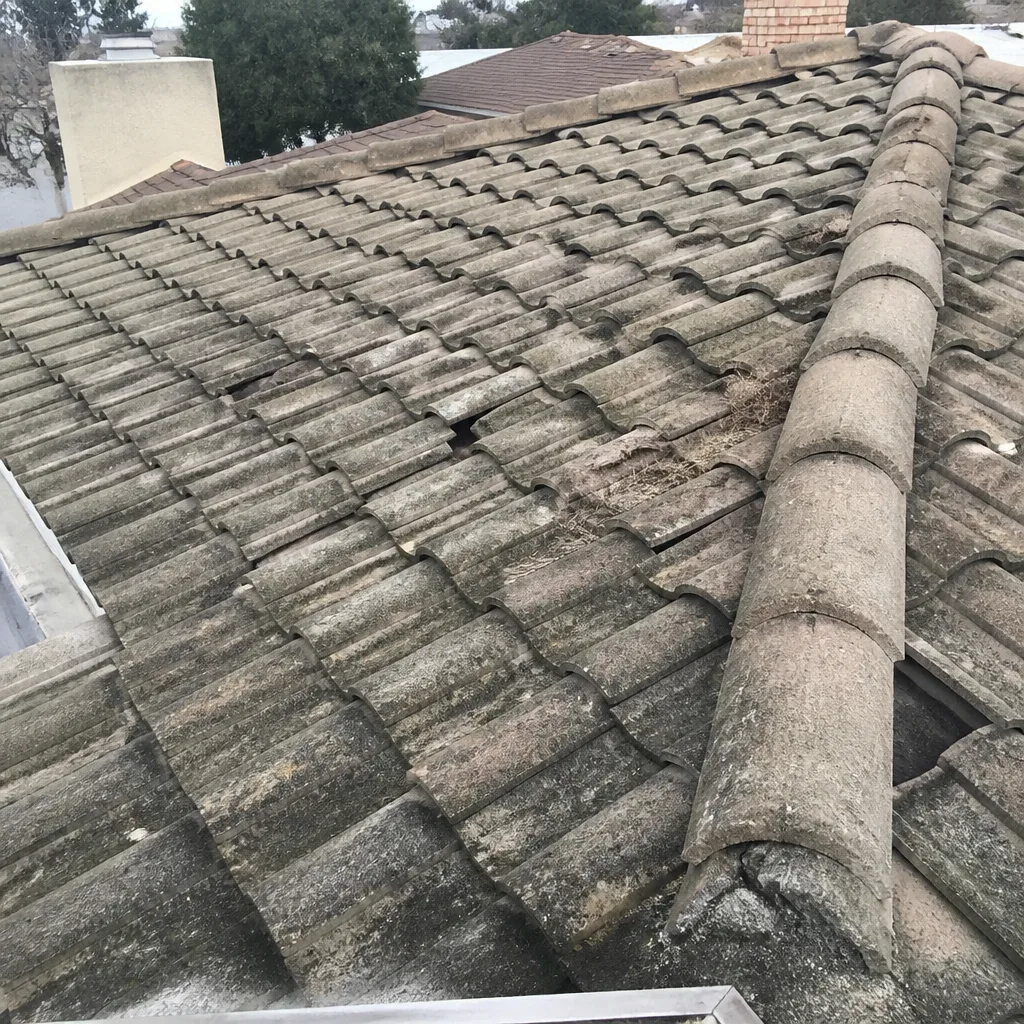 Before
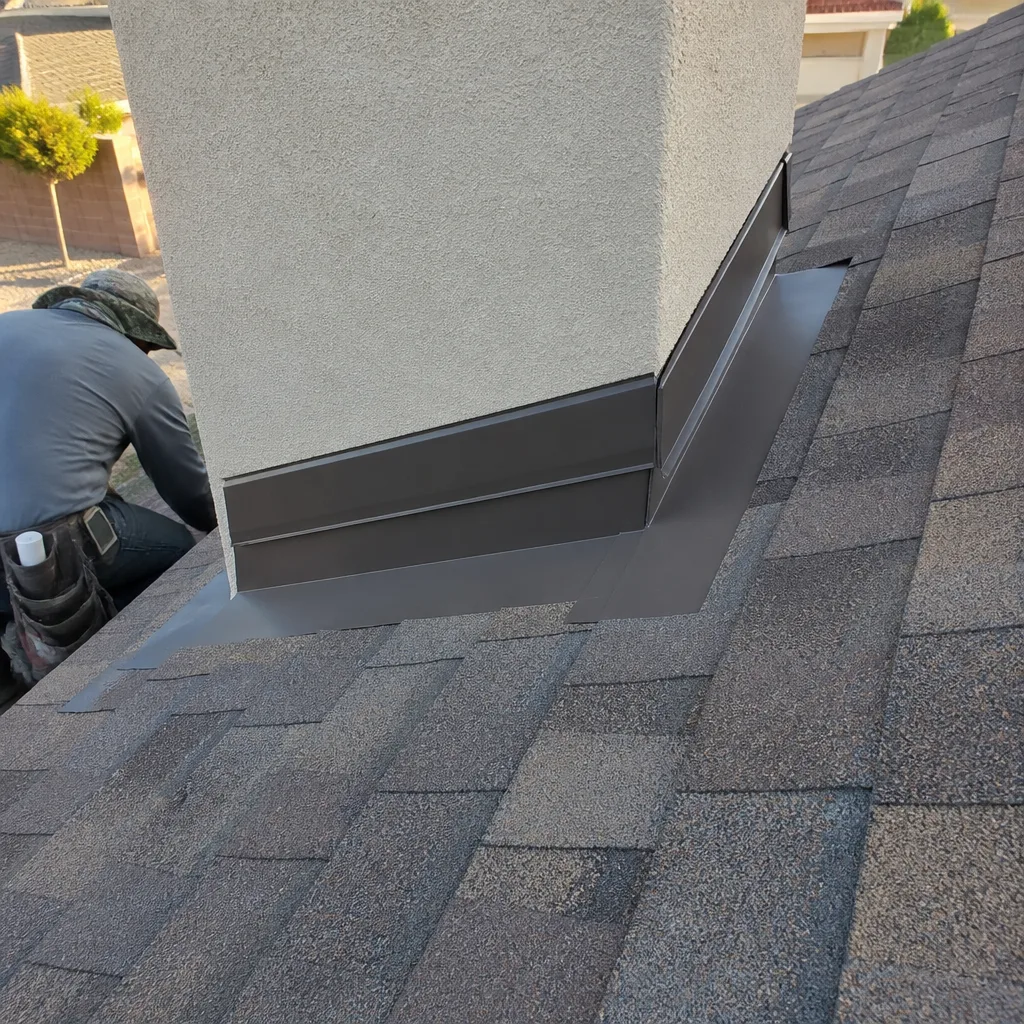 After
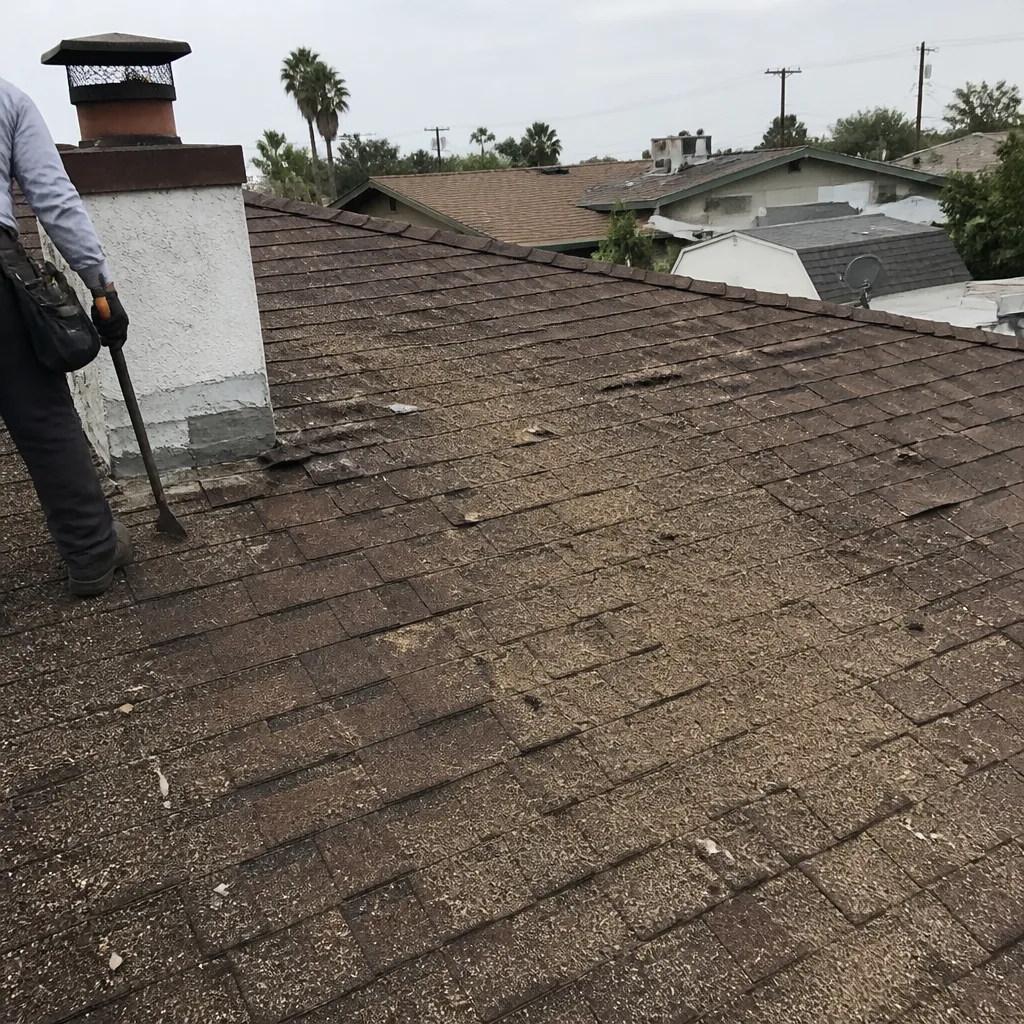 Before
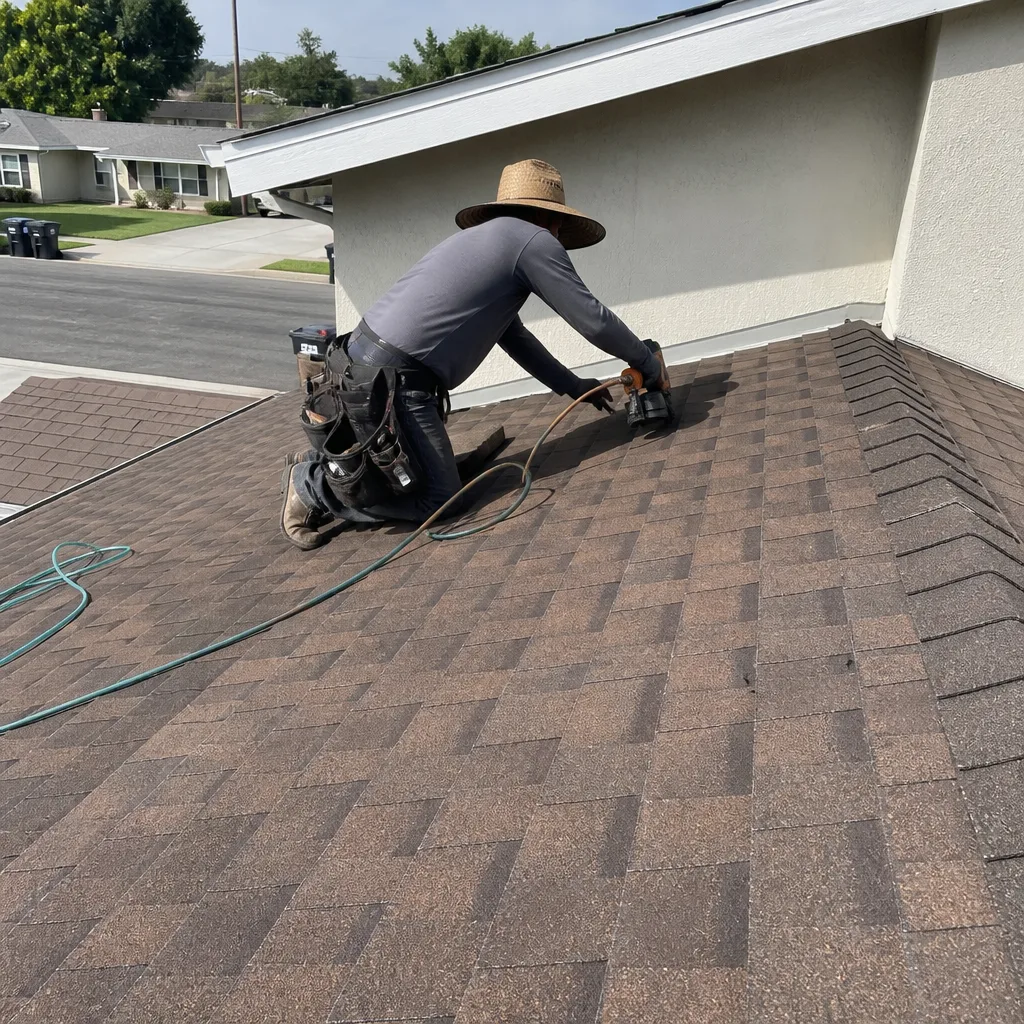 After
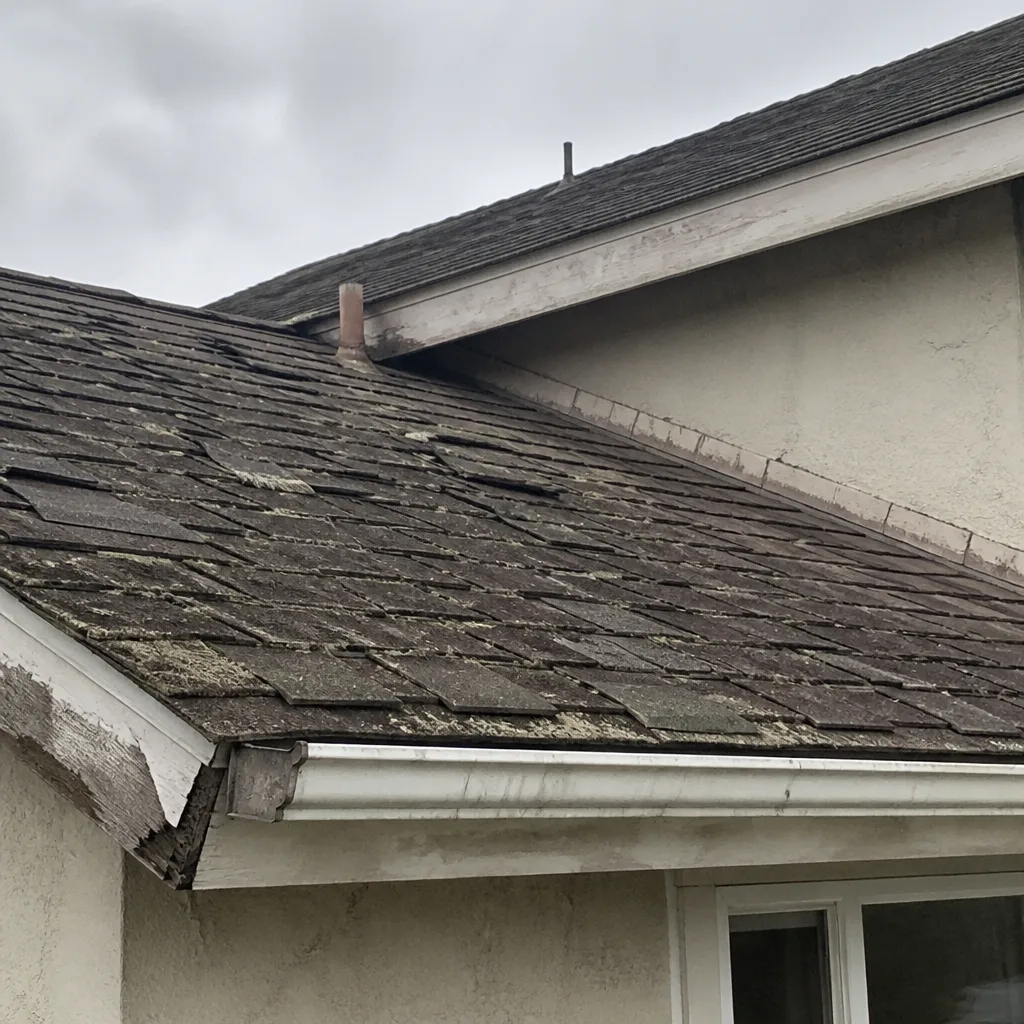 Before
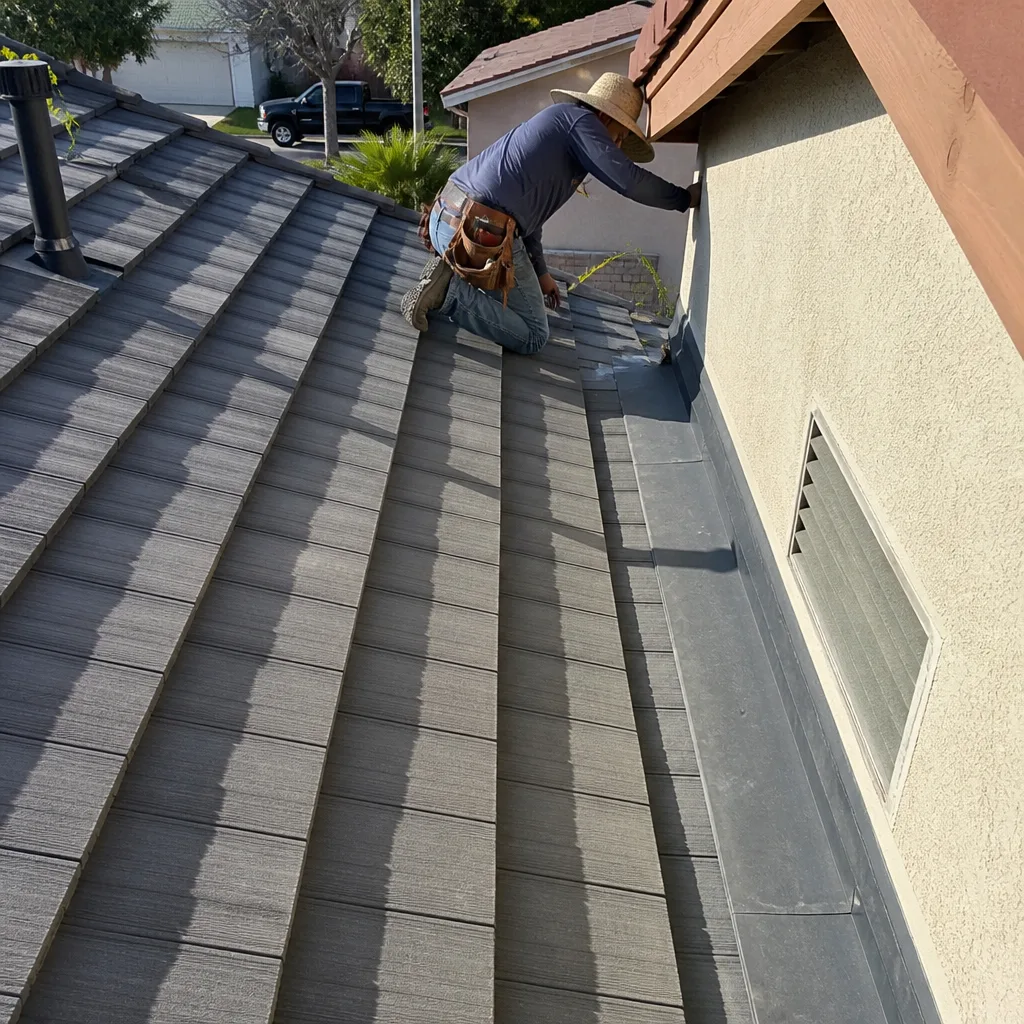 After