
Last updated October 31, 2026
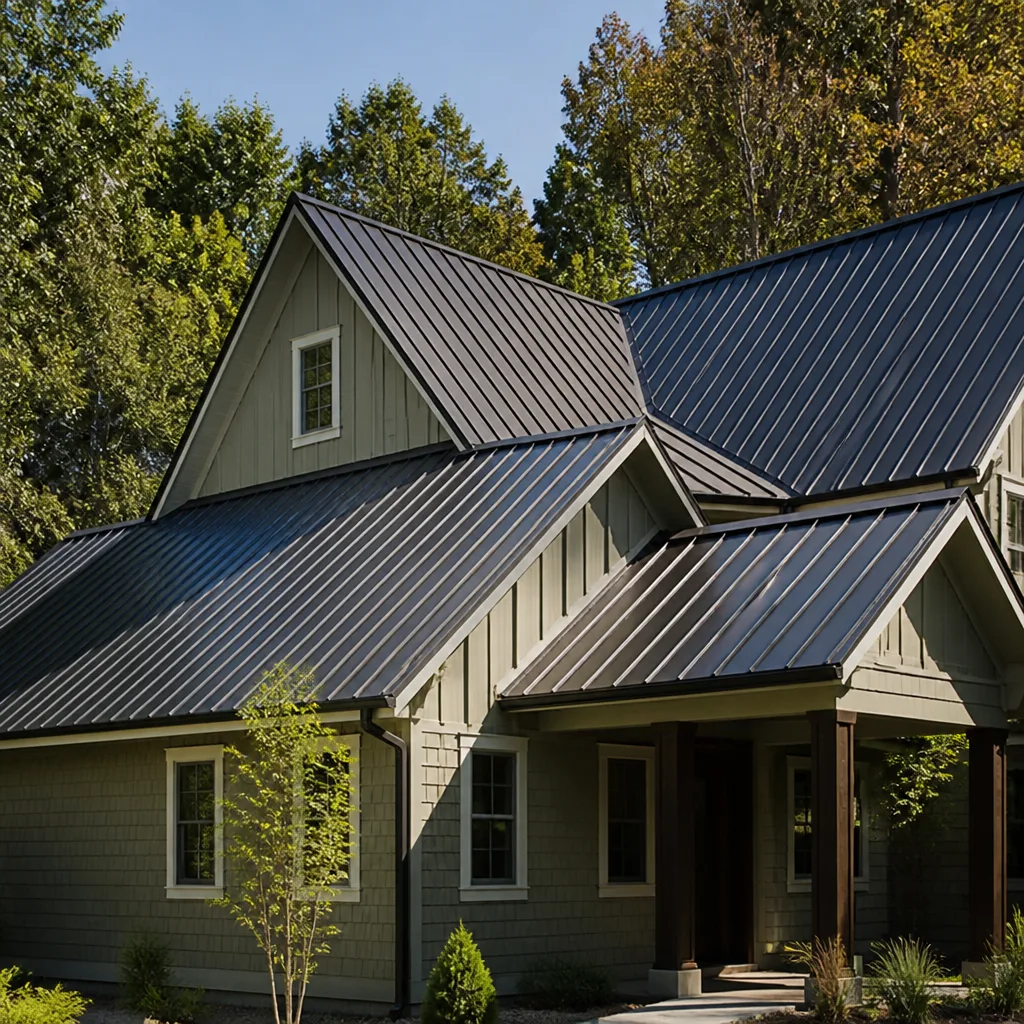 Metal roofing
 Architectural shingles
 Tile roofing
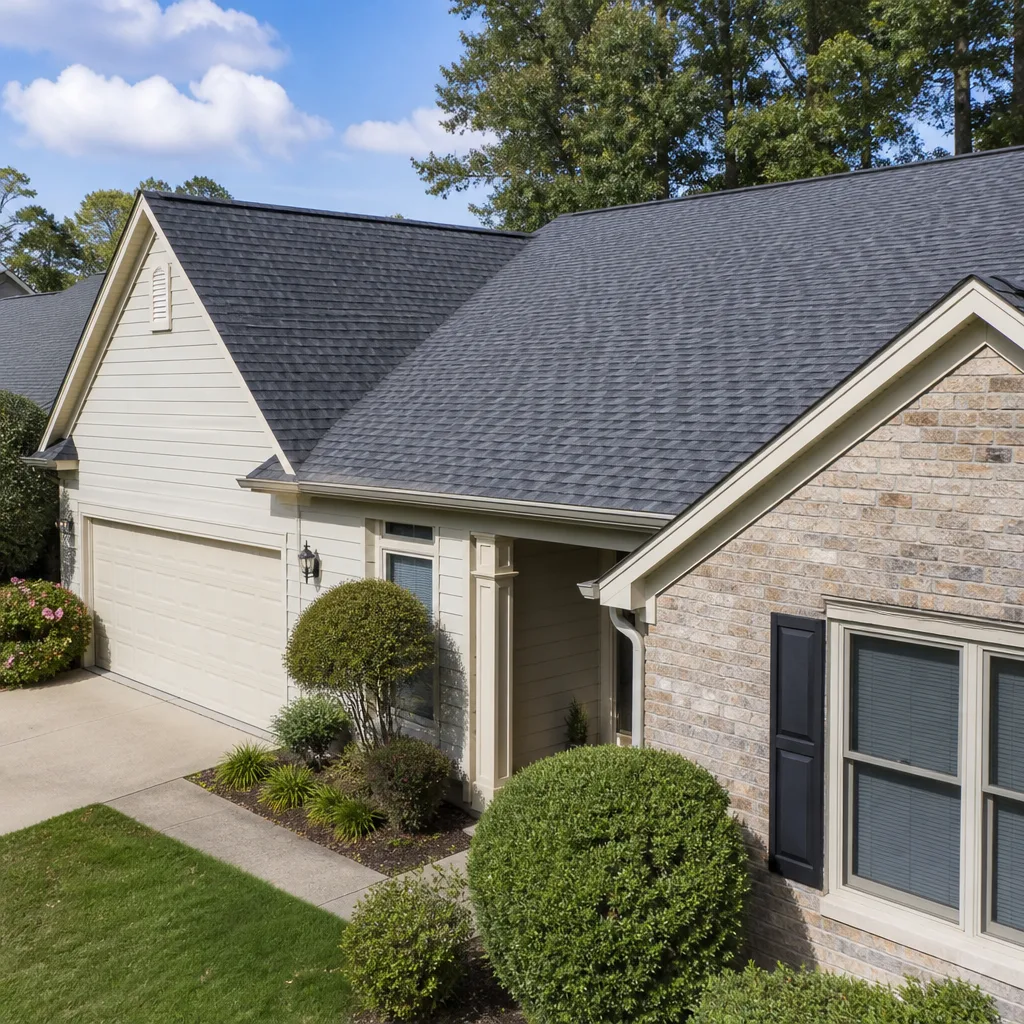 GAF
 Owens Corning
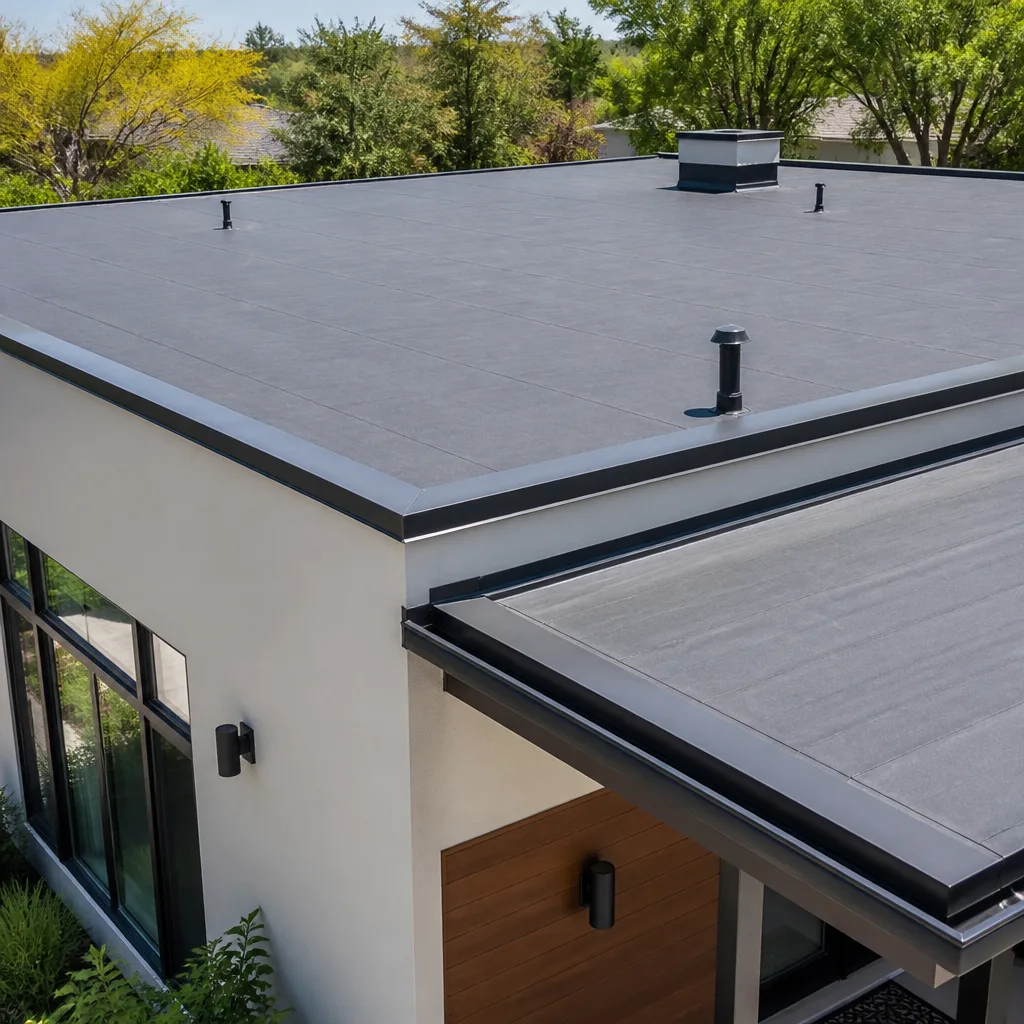 Flat & low-slope
Free roof inspection with deck photos before we talk money - GAF and Owens Corning certified installation
Seasonal Roofing Care for Santa Ana: Year-Round Homeowner’s Guide
Santa Ana averages about 15 inches of rain per year, but those inches fall in roughly 40 days. A single failed flashing joint can absorb more water stress in one week than roofs in wetter climates see in a month. That concentrated burst pattern changes how you should think about roof maintenance entirely. This Complete Guide to Roofing in Santa Ana lays out a seasonal rhythm that matches how roofs actually wear here, from the Santa Ana winds that arrive each fall to the UV cycles that bake asphalt shingles through summer. You’ll learn when to inspect, what to look for, and when to leave the ladder in the garage.
Styles & brands we work with
Quick Answer
Santa Ana homeowners should schedule roof maintenance around two critical windows: a pre-wind-season preparation in August and September, and a post-rain-season inspection in March and April. Summer heat cycling degrades shingle adhesive strips, while winter rain exposes existing weaknesses. A seasonal inspection cycle, basic debris management, and prompt attention to minor flashing or sealant issues prevent most costly repairs in Santa Ana’s Mediterranean climate.
Table of Contents
- Why Santa Ana Doesn’t Have Four Roofing Seasons
- Critical Window One: Pre-Wind-Season Prep (August to September)
- Critical Window Two: Post-Rain-Season Inspection (March to April)
- What Quiet Season Maintenance Actually Looks Like
- How Summer Heat Cycling Affects Asphalt Shingles in Santa Ana
- Tree and Debris Management for Santa Ana’s Eucalyptus and Palm Trees
- Month-by-Month Quick Reference Card
- Common Mistakes to Avoid
- When to Call a Professional
- Frequently Asked Questions
- The Bottom Line
Why Santa Ana Doesn’t Have Four Roofing Seasons
Most roofing guides are written for climates with snow, ice dams, spring thaw cycles, and autumn leaf drop. Santa Ana has none of those. What it has is a Mediterranean climate with a long dry season, a short but intense wet season, and a wind pattern unique to Southern California. That means the traditional four-season maintenance calendar doesn’t map cleanly onto how roofs actually fail here.
Instead, Santa Ana roofs face two distinct stress periods each year. The first runs from October through February, when the Santa Ana winds and intermittent heavy rains arrive, often within weeks of each other. The second runs from June through September, when sustained heat and UV exposure tax materials in ways that don’t show up visually until months later.
The quiet months of March through May and late summer are not maintenance-free, but they are lower-risk windows for inspection and repair work. Understanding this rhythm means you can schedule work when roofers are less backlogged and conditions are more predictable.
We’ve inspected roofs across Santa Ana where homeowners followed a generic “check your roof every spring and fall” routine and still missed significant problems because they weren’t looking for the right failure modes in the right season. For The Complete Roof Repair Guide for Santa Ana Homeowners covers exactly what to look for and when. The goal of this guide is to change that: no generic advice, only what applies to the zip codes between the 5 and the 55.
For a deeper look at what we check during seasonal assessments, our Roof Inspection in Santa Ana page details the full process.
Critical Window One: Pre-Wind-Season Prep (August to September)
The Santa Ana winds typically begin in October and can gust to 50 mph or more through the passes and into the flatlands of central Orange County. Wind doesn’t just blow shingles off. It lifts edges, works fasteners loose, and drives debris across the roof surface at speed. Every loose shingle, cracked tile, or deteriorated seal becomes a failure point when sustained gusts get underneath it.
August and September are the months to address these vulnerabilities. The weather is dry, temperatures have started to moderate slightly, and roofing crews in Santa Ana have more scheduling flexibility before the rainy season generates a rush of emergency calls.
Here’s a step-by-step pre-wind-season checklist we recommend:
- Walk the perimeter of your home. Look for shingle granules collecting in gutters or at downspout outlets, which signal that the protective surface is wearing away.
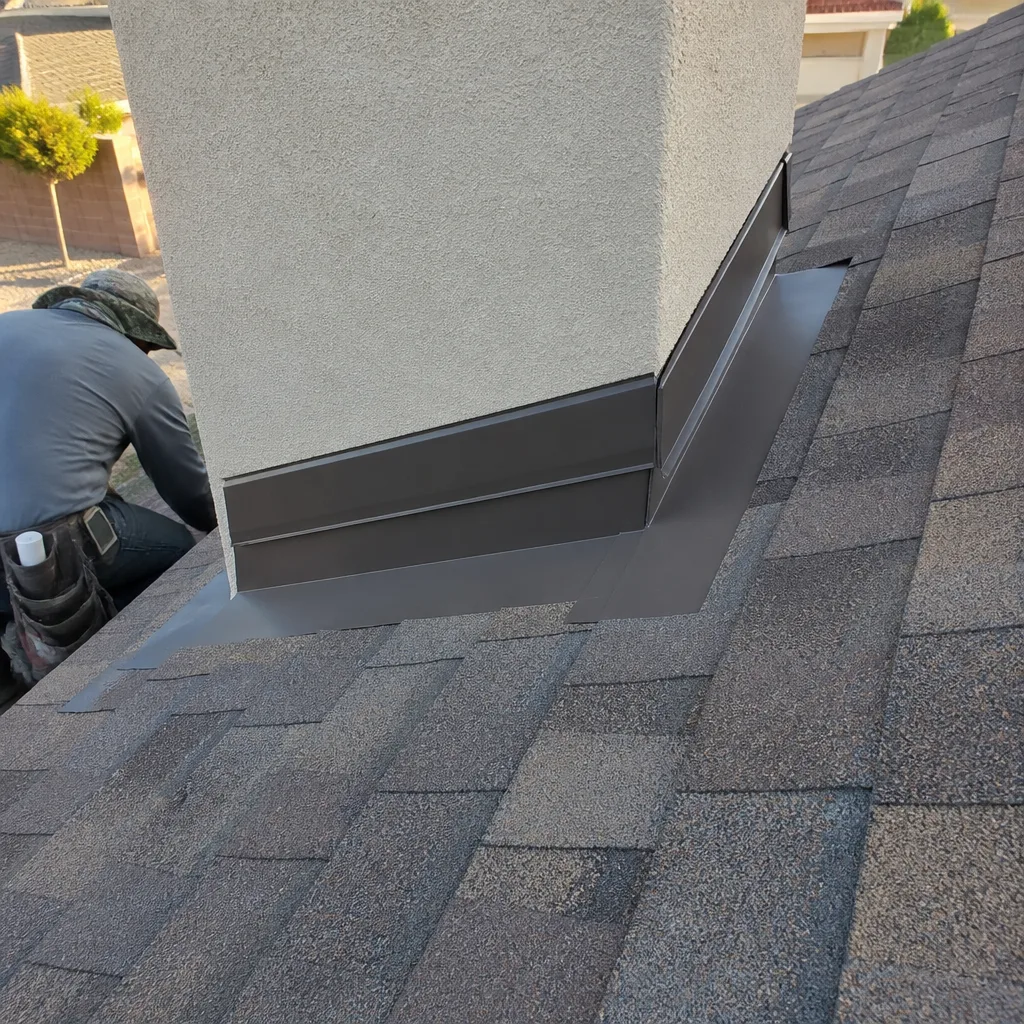
- Check all visible flashing. Pay particular attention to chimney bases, skylight curbs, and valley transitions. Wind-driven rain exploits any gap, no matter how small.
- Clear all roof debris. Remove palm fronds and eucalyptus bark that have accumulated since spring. Debris holds moisture against the roof and creates channels for water to pool.
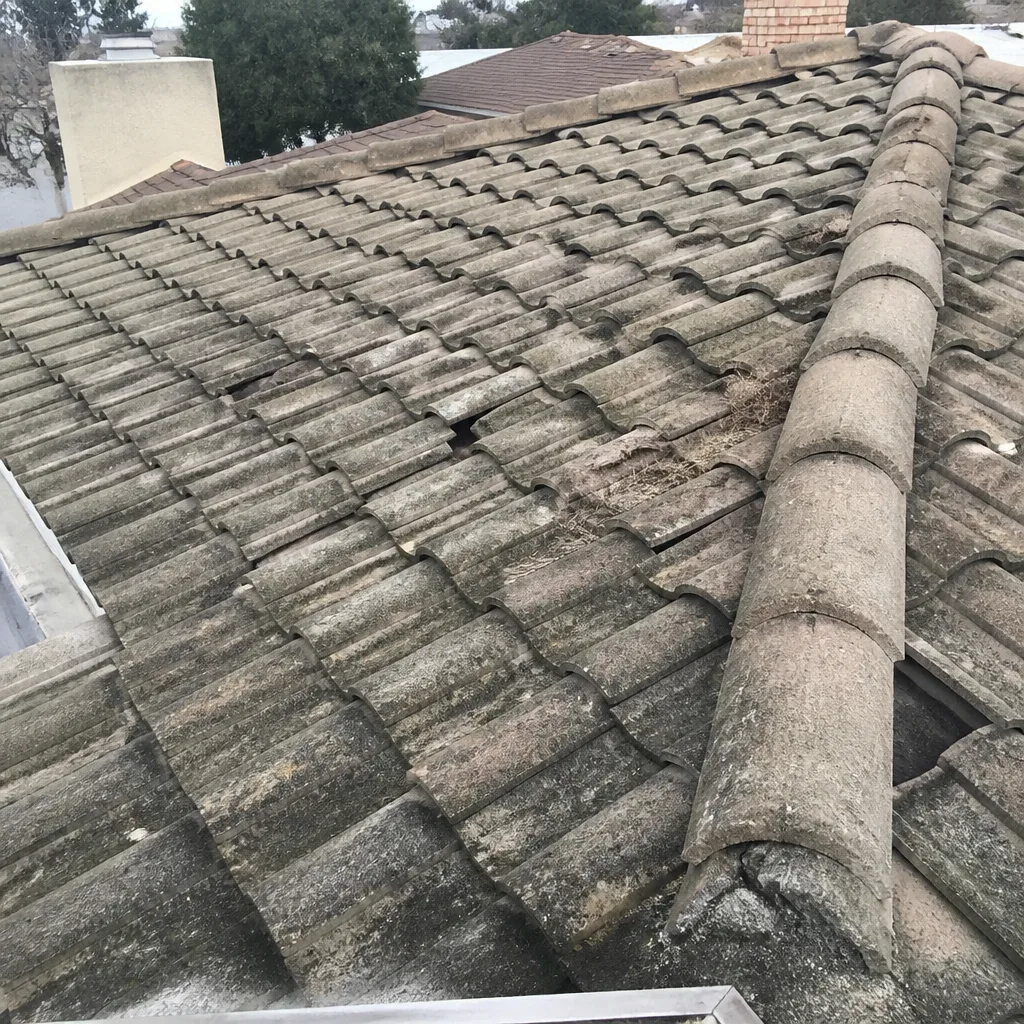
- Inspect tile roofs for cracked or slipped units. One displaced clay tile creates an entry point for both wind and water.
- Check gutter fastening. Loose gutters pull away from the fascia during wind events and can take sections of drip edge with them.
- Document everything with photos. A dated visual record helps track year-over-year changes and gives you a baseline before storm season.
If you find loose materials or visible flashing gaps during this window, address them before October. Roof repair in Santa Ana is far more straightforward on a dry, 75-degree day than during a rain event. Our Roof Repair in Santa Ana page explains what typical repair scopes involve.
Critical Window Two: Post-Rain-Season Inspection (March to April)
By March, Santa Ana’s rainy window is mostly closed. The months of accumulated moisture, occasional wind-driven rain, and temperature fluctuations have done whatever damage they’re going to do for the season. This is the ideal time for a careful inspection because problems are visible and the weather allows for immediate repair if needed.
An inspection here serves a different purpose than the August check. In August, you’re hardening the roof against what’s coming. In March, you’re assessing what the winter actually did.
Key things to examine after the rainy season:
- Water staining on ceilings or attic sheathing. These are the most reliable indicators of a leak that may not have been obvious during the storms themselves.
- Moss or mildew growth on shaded roof sections. Santa Ana’s cool, damp mornings from November through February can support biological growth on north-facing slopes and under tree canopies.
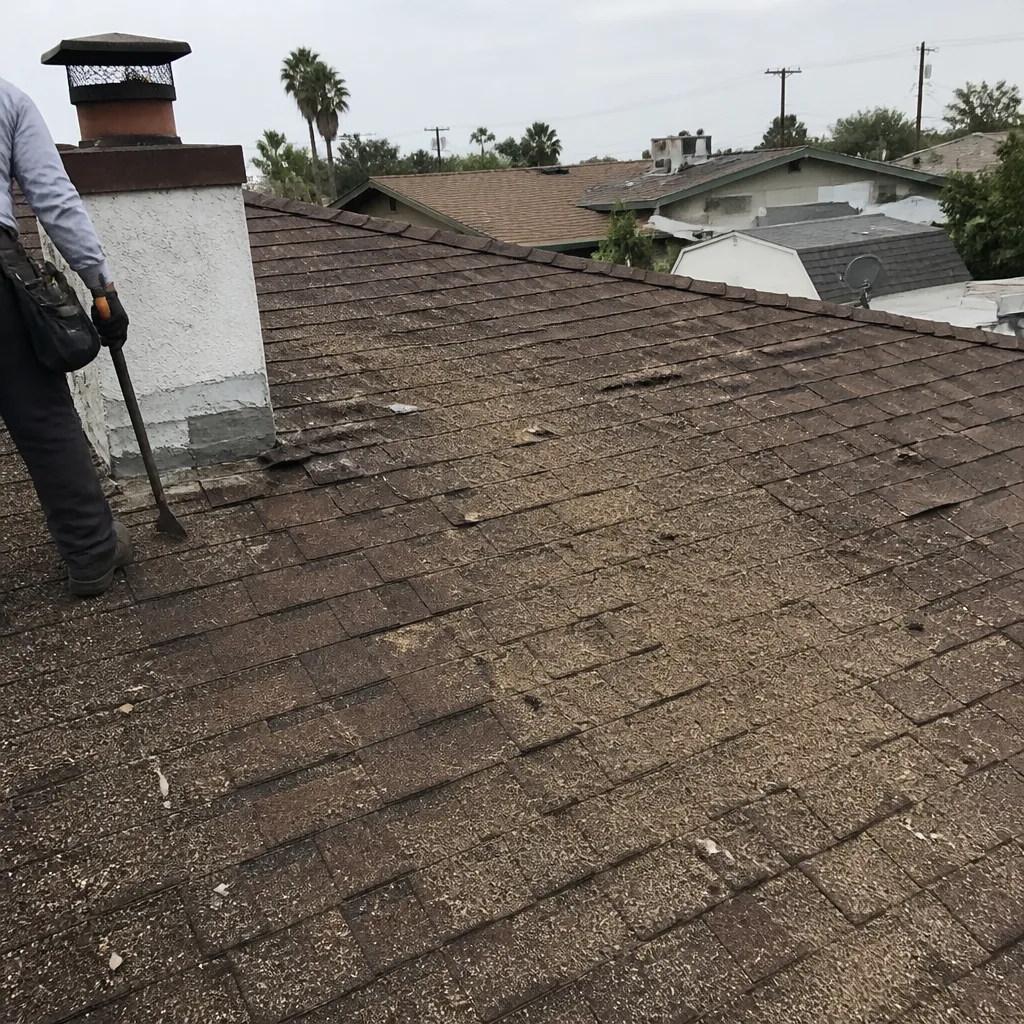
- Fastener back-out or shingle lifting. Repeated wet-dry cycling can cause nails to work loose, especially on older roofs.
- Flashing integrity around penetrations. The combination of wind and rain is hardest on transitions. Check where the roof meets walls, pipes, and chimneys.
- Flat roof ponding areas. On low-slope sections, look for spots where water stood for more than 48 hours after the last rain.
Scheduling this inspection in March or April means any necessary repairs land in the dry season, with months of predictable weather ahead for proper sealing and curing. It also means getting on the calendar before the late-summer rush.
If you’re unsure what a thorough inspection should include, the Roof Inspection in Santa Ana page walks through our full checklist, from underlayment to ridge cap.
What Quiet Season Maintenance Actually Looks Like
The months of May through July get labeled “quiet” because Santa Ana sees almost no rain and wind events are rare. But quiet doesn’t mean inactive. This is when heat does its slow, cumulative work on roofing materials, and when attention to a few overlooked areas pays off disproportionately.
Three maintenance tasks deserve attention during the quiet months:
1. Gutter Health
Gutters in Santa Ana collect more than rainwater. They accumulate windblown dust, palm debris, and fine grit from asphalt shingle wear. If gutters are clogged going into the next rainy season, water overflows at corners and saturates fascia boards and soffit areas. Cleaning them in May or June, when they’re dry and debris is loose, takes less effort and causes less mess than doing it in November. If your roof features built-in or box gutters, check for standing water, which signals incorrect slope or settling.
2. Attic Ventilation Check
Santa Ana’s inland summer temperatures regularly exceed 90 degrees. If your attic ventilation is inadequate, that heat doesn’t just make your home harder to cool. It accelerates shingle deterioration from underneath, shortening roof life in measurable ways. Check that ridge vents are unobstructed, soffit vents aren’t painted over or blocked by insulation, and attic fans, if installed, are functioning. A ventilated attic in Santa Ana can run 20 to 30 degrees cooler than an unventilated one during peak summer days.
3. UV Inspection on Flat Membranes
Low-slope roof sections, common on mid-century Santa Ana homes and additions, face the harshest UV exposure in the city. Membrane surfaces crack, chalk, and pull away from seams when exposed to years of direct sun. Inspect these areas in May or June, looking for hairline cracks, exposed mesh at seams, or areas where the surface feels brittle to the touch. Repairs made on these surfaces during the dry season bond properly and cure fully before any moisture arrives.
How Summer Heat Cycling Affects Asphalt Shingles in Santa Ana
Santa Ana’s inland neighborhoods experience a daily temperature swing that’s deceptively hard on roofing. A roof surface might reach 150 degrees on a July afternoon, then cool to 60 degrees overnight. That 90-degree daily cycle causes materials to expand and contract continuously. Over years, this thermal cycling weakens the adhesive strips that seal shingle layers together.
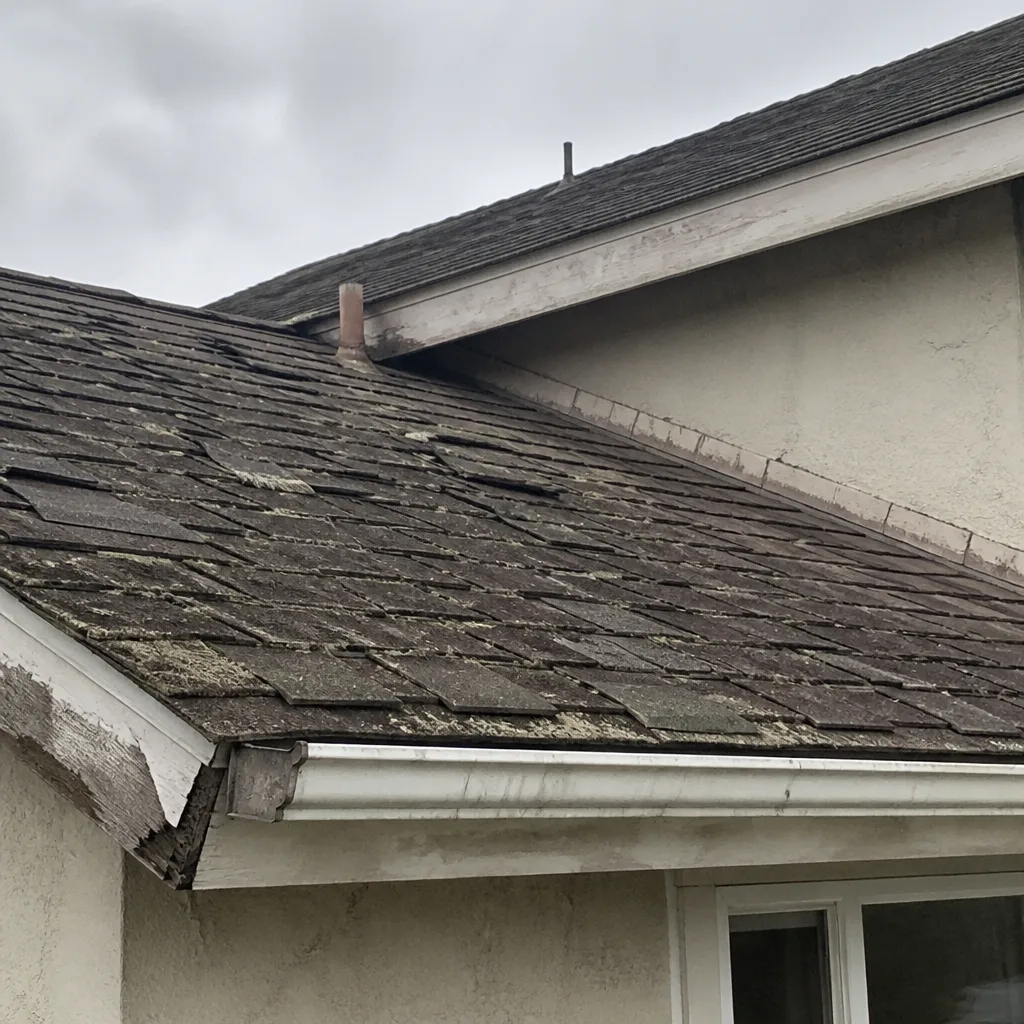
Here’s what that means in practical terms. Asphalt shingles are manufactured with a heat-activated adhesive strip that bonds the top of one shingle to the bottom of the next. In a stable climate, that bond holds for decades. In Santa Ana’s inland zip codes, the repeated expansion and contraction gradually breaks the bond. Shingles may still look fine from the ground but be only loosely attached.
The failure mode we see most often in Santa Ana is not shingles blowing off in a windstorm. It’s shingles that separate slowly, creating small gaps that allow wind-driven rain to enter during the winter. The damage accumulates silently because the gaps are nearly invisible from the ground.
What to watch for:
- Shingle edges that don’t lie flat. A slight upward curl at corners is the first visible sign of adhesive failure.
- Granule loss concentrated on south and west-facing roof planes. These surfaces get the most direct afternoon sun.
- Shingles that shift when pressed lightly. If they move easily, the seal has failed.
- Uneven surface texture from the street. This often indicates underlying adhesive failure across a broad area.
Not all shingle products respond identically to heat cycling. Some manufacturers formulate their adhesive strips for higher-temperature environments. We work with products from GAF, CertainTeed, Owens Corning, IKO, Atlas, Tamko, and Boral, and the differences in how these materials perform under sustained heat are real, not marketing language. GAF Timberline, for example, uses an adhesive formula designed to resist thermal shifting, while Boral’s concrete and clay tile options eliminate the adhesive question entirely by relying on mechanical fastening. Choosing the Right Roofing Brand: A Buyer’s Guide for Santa Ana matters more than choosing the most expensive one. Seven leading brands, one crew, and an honest conversation about which one fits your roof and budget.
If your roof is approaching the end of its service life and you’re weighing repair against replacement, our Roof Replacement in Santa Ana page explains the factors that tip the decision.
Tree and Debris Management for Santa Ana’s Eucalyptus and Palm Trees
Santa Ana’s tree canopy creates a debris challenge that roofers in colder climates never face. Eucalyptus trees shed bark, leaves, and seed capsules year-round, but the volume peaks in late summer and fall, exactly when the Santa Ana winds arrive. Palm trees drop fronds that can weigh 30 pounds or more and cause impact damage when they fall from height.
Eucalyptus debris is particularly problematic for three reasons. First, the bark strips are long and fibrous, so they wrap around roof penetrations and gutters rather than blowing clear. Second, eucalyptus leaves contain oils that leave residue on roofing materials and can stain certain surfaces. Third, the debris decomposes slowly and holds moisture, creating persistent damp spots on any roof section it accumulates on.
Management recommendations for Santa Ana homeowners:
- Trim eucalyptus branches that overhang the roof. Keep a minimum clearance of 6 to 10 feet between tree canopy and roof surface. This reduces debris load and prevents branch scuffing during wind events.
- Schedule palm frond removal before October. Dead fronds should come down before wind season, not during it. A frond that falls naturally onto a tile roof can crack tiles on impact.
- Clean roof valleys monthly during shedding season. Debris collects in valleys first, and valleys are where water concentrates during rain. A clogged valley directs water sideways under shingles or tiles rather than down to the gutter.
- Check roof-to-wall transitions on the windward side. Debris blown against a wall can accumulate at the roof-wall junction and hold water against flashing.
If tree debris has already caused visible wear or staining on your Tilecraft Roofing home repair scopes page lists typical damage patterns we see in tree-heavy Santa Ana neighborhoods. The fix is usually simpler than homeowners expect, especially when caught before water intrusion begins.
Month-by-Month Quick Reference Card
Print this section or save a screenshot on your phone. It’s designed to be referenced in 30 seconds, not studied.
| Month | Action | Priority |
|---|---|---|
| January | Check attic for stains after heavy rain. Note any ceiling discoloration. | Low |
| February | Check gutters during dry spells. Clear any accumulated storm debris. | Low-medium |
| March | Post-rain inspection. Look for water stains, moss, and loose materials. | High |
| April | Schedule repairs identified in March inspection. Address any flashing gaps. | High |
| May | Clean gutters. Check attic ventilation before summer heat arrives. | Medium |
| June | Inspect flat roof membranes for UV cracking. Check shingle edges for curling. | Medium |
| July | Visual check from ground level. Note any debris accumulation. | Low |
| August | Pre-wind-season prep. Clear debris, check flashing, test shingle seals. | High |
| September | Complete any pre-wind repairs. Schedule work before October. | High |
| October | Confirm roof is clear of palm fronds and eucalyptus debris before wind events. | Medium |
| November | Check gutters after first rains. Ensure downspouts direct water away from foundation. | Medium |
| December | Interior check during heavy rain periods. Note any water marks or drips. | Medium |
This cadence reflects how roofs actually cycle through stress in Santa Ana. The high-priority months, March, April, August, and September, are the ones where action or inaction has real consequences for the year ahead.
Common Mistakes to Avoid
- Following generic seasonal checklists. Advice written for four-season climates sends you looking for ice dams and frost heave that don’t exist in Santa Ana while missing the UV and wind damage that does.
- Ignoring the roof during summer. The quiet months are when heat damage accumulates. Skipping June and July checks means discovering adhesive failures in December, when repair conditions are poor and roofer availability is tight.
- Leaving palm fronds on the roof until they fall naturally. Fronds that rest on the roof surface hold moisture and trap debris beneath them. By the time they fall, they’ve often already caused staining or surface damage.
- Treating all granules in the gutter as normal wear. Some granule loss is expected, but sudden increases signal accelerated deterioration. If you clean gutters twice a year and the volume of granules spikes, that’s a data point worth investigating.
- Waiting to address minor flashing gaps. A small gap in flashing can admit surprisingly large amounts of water during a Santa Ana wind-driven rain event. The gap that looked trivial in September becomes a ceiling stain in January.
- Choosing replacement materials before understanding how heat affects them. Not all products perform equally in Santa Ana’s high-UV, high-heat environment. A material decision made without accounting for thermal cycling is a decision made with incomplete information.
- Skipping the attic inspection. The first sign of many roof problems appears on attic sheathing or insulation before it shows up anywhere else. An annual attic check is the cheapest diagnostic in roofing.
When to Call a Professional
Some roof issues are visible and straightforward. Others require experience to diagnose correctly, and guessing wrong means the repair doesn’t hold. Call a professional when you see water staining that appears suddenly or recurs after a repair, when shingle granule loss accelerates over a single season, when a roof valley is visibly clogged with debris that’s been in place for months, or when you notice interior moisture that can’t be traced to plumbing. Also call if you’re not comfortable on a ladder or if your roof pitch exceeds what you feel safe walking. Roof work at height carries real risk, and a roof inspection that ends in an injury is the most expensive inspection you’ll ever schedule. Tilecraft Roofing offers free estimates in Santa Ana, call (833) 467-4846 and we’ll take a look before you commit to anything. We look before we quote.
Frequently Asked Questions
A professional roof inspection in Santa Ana typically ranges from $0 to $450, depending on roof type, size, and access difficulty. Basic maintenance like gutter cleaning and visual checks can be handled by homeowners at no cost. Repairs identified during seasonal inspections range widely, from under $200 for minor flashing repair to several thousand dollars for more involved work. The cost of a seasonal inspection is consistently cheaper than the cost of deferred maintenance. Call (833) 467-4846 for an exact quote, estimates are free.
Twice-yearly inspections, in early fall and late winter, are the minimum recommended cadence for Santa Ana roofs. The fall inspection prepares for the wind and rain season, and the late-winter inspection assesses the damage that season caused. Homes with flat roof sections, tile roofs in tree-heavy areas, or roofs over 15 years old benefit from a third inspection in early summer to check heat-related deterioration.
May through September offers the most predictable weather for roof repairs in Santa Ana. Dry conditions allow sealants and adhesives to cure properly, and roofers have more scheduling flexibility. Emergency repairs happen year-round, but planned work lands best in the summer months. If you’re considering a new roof, scheduling in late summer means your new system is fully sealed before the first rain.
It shouldn’t. A reputable Santa Ana roofer specifies the full scope before starting and communicates any unexpected findings before charging for them. Ask for a written line-item quote and clarify how change orders are handled before you sign anything. If a contractor won’t give you a clear answer on how price changes work, that’s a signal to look elsewhere.
Most roof replacements in Santa Ana are completed in 3 to 7 working days, depending on roof size, pitch, tear-off requirements, and material selection. Tile roofs take longer than asphalt shingle roofs, and complex rooflines or second-story access add time. The timeline should be specified in your written scope of work before the project begins.
Sustained Santa Ana winds of 40 to 60 mph are common in the fall, with occasional gusts higher. Over time, these repeated wind events lift shingle edges, work fasteners loose, and drive debris across the roof surface. The damage is often incremental rather than catastrophic, which makes it easy to underestimate. Annual pre-wind-season preparation is the most effective defense against accumulating wind damage.
The Bottom Line
Santa Ana’s roofing calendar doesn’t follow the four-season pattern that most maintenance guides assume. The real rhythm is two critical windows, pre-wind-season in August and September and post-rain-season in March and April, plus a summer stretch where heat does its quiet work on shingle adhesive strips and flat membranes. Homeowners who align their inspection and maintenance routines with this local pattern catch problems early, schedule repairs in favorable conditions, and extend roof life measurable amounts. The most expensive roof repair is the one that could have been prevented with a seasonal inspection. Tilecraft Roofing provides inspection, repair, and replacement services in Santa Ana, with access to products from seven major manufacturers so you get the right material for your roof, not the one we happen to stock. Call (833) 467-4846 to schedule your free estimate.
Written by the team at Tilecraft Roofing, serving Santa Ana since 2012. Explore more guides & resources.
See the difference
 Before
 After
 Before
 After
 Before
 After