Last updated October 31, 2026
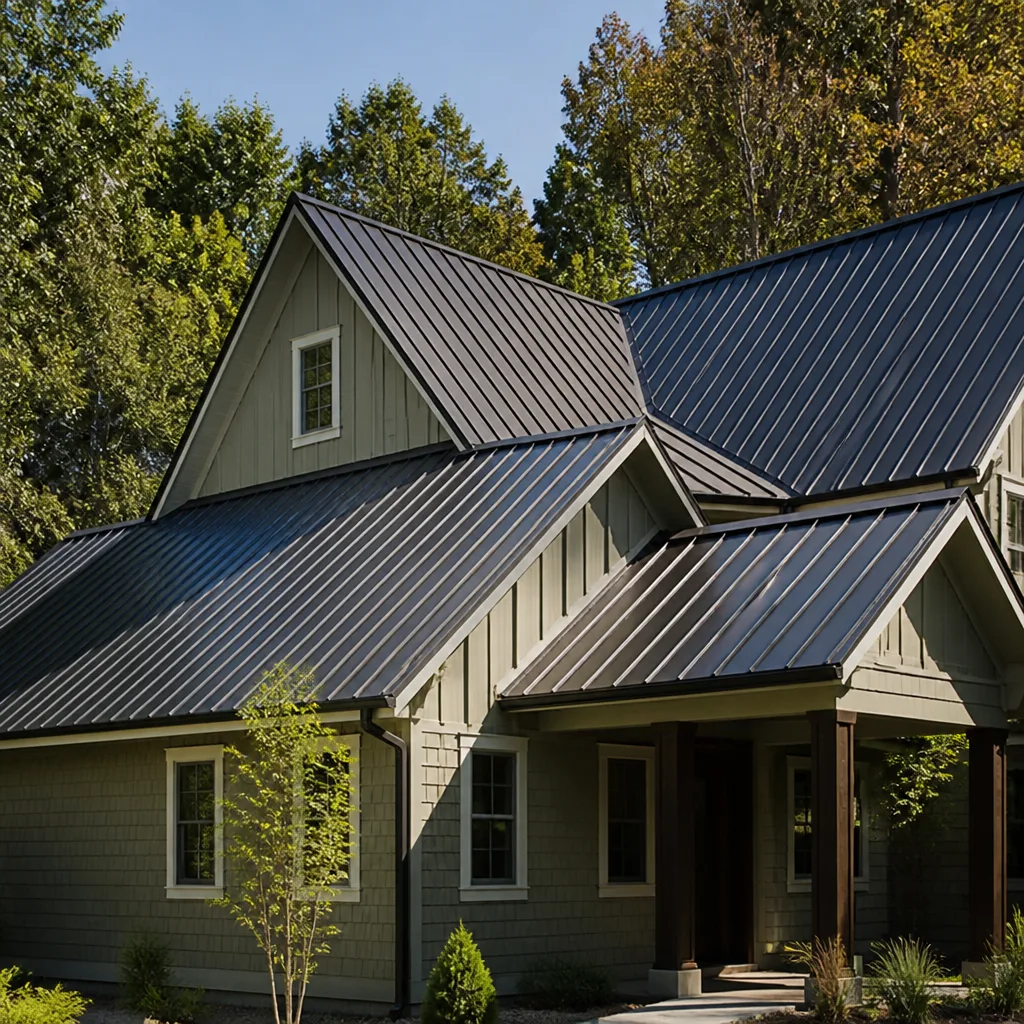 Metal roofing
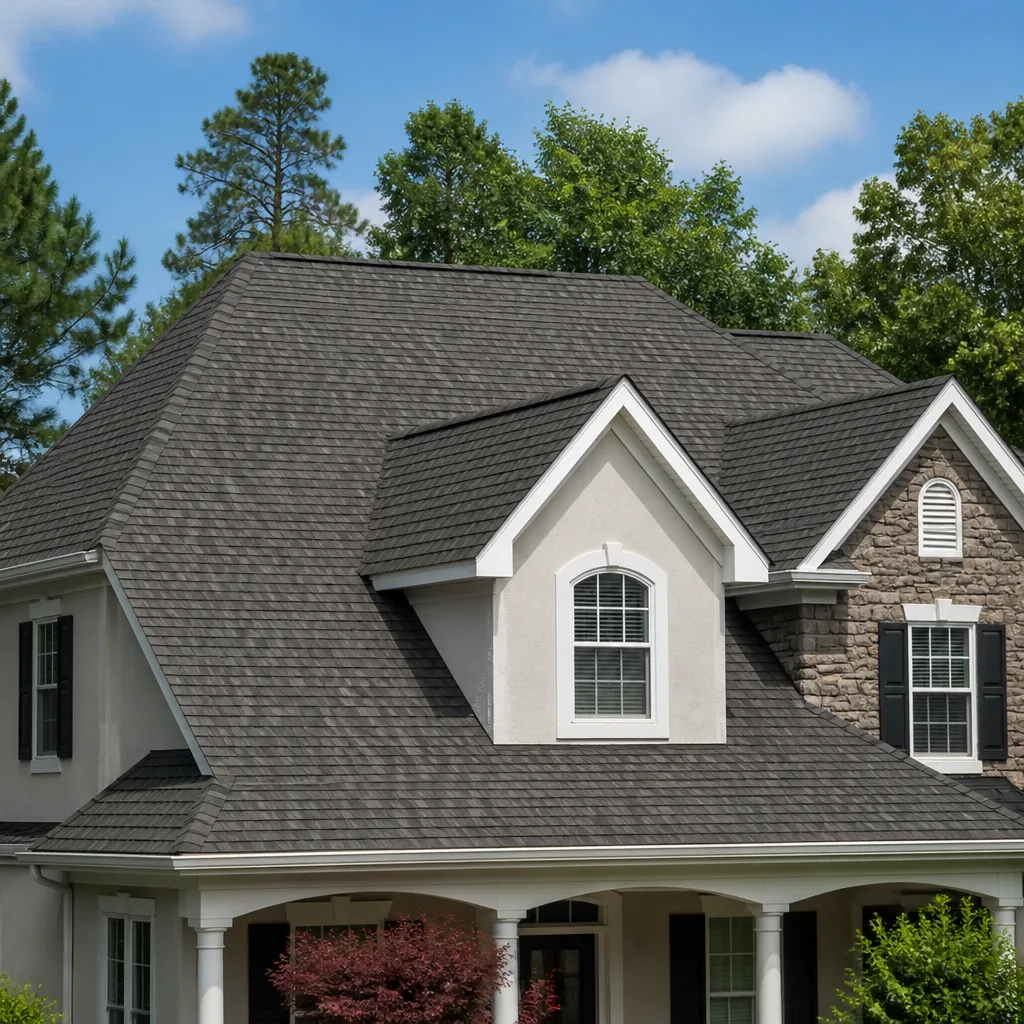 Architectural shingles
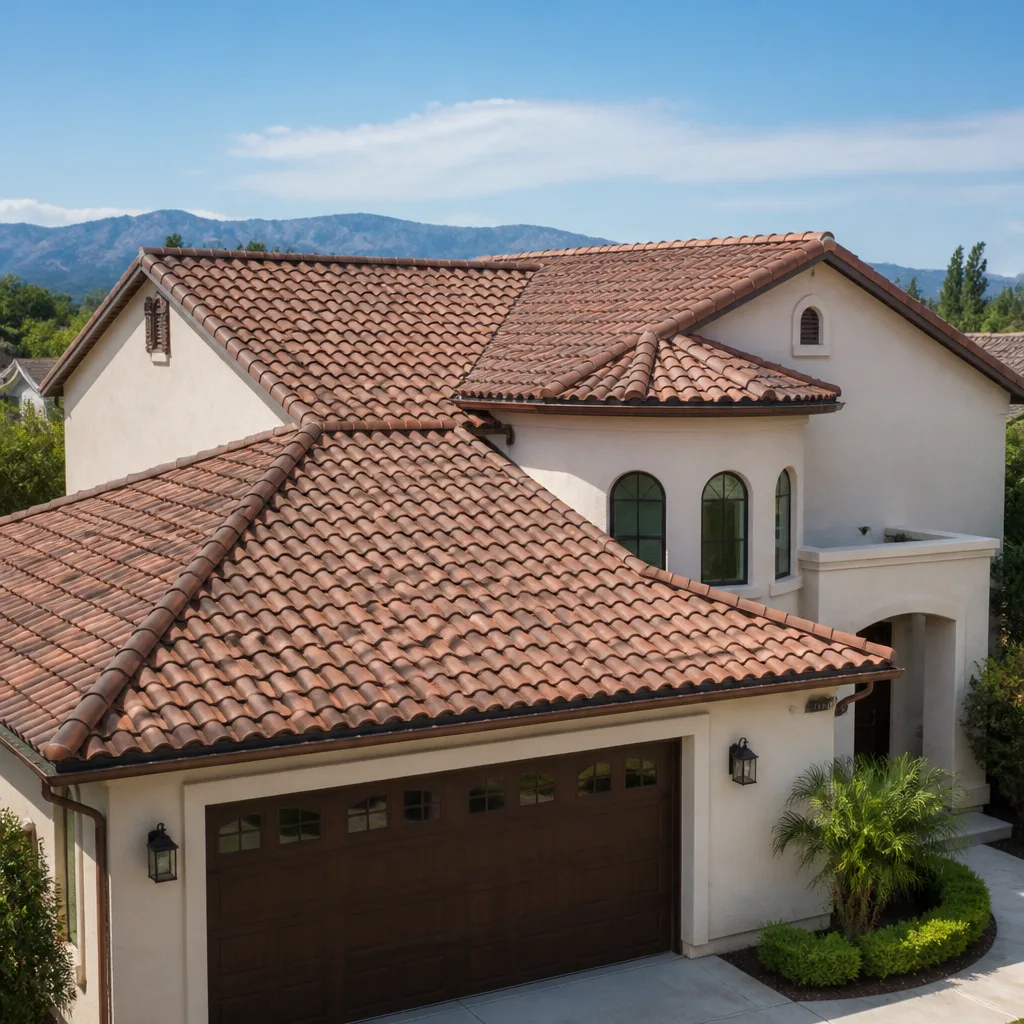 Tile roofing
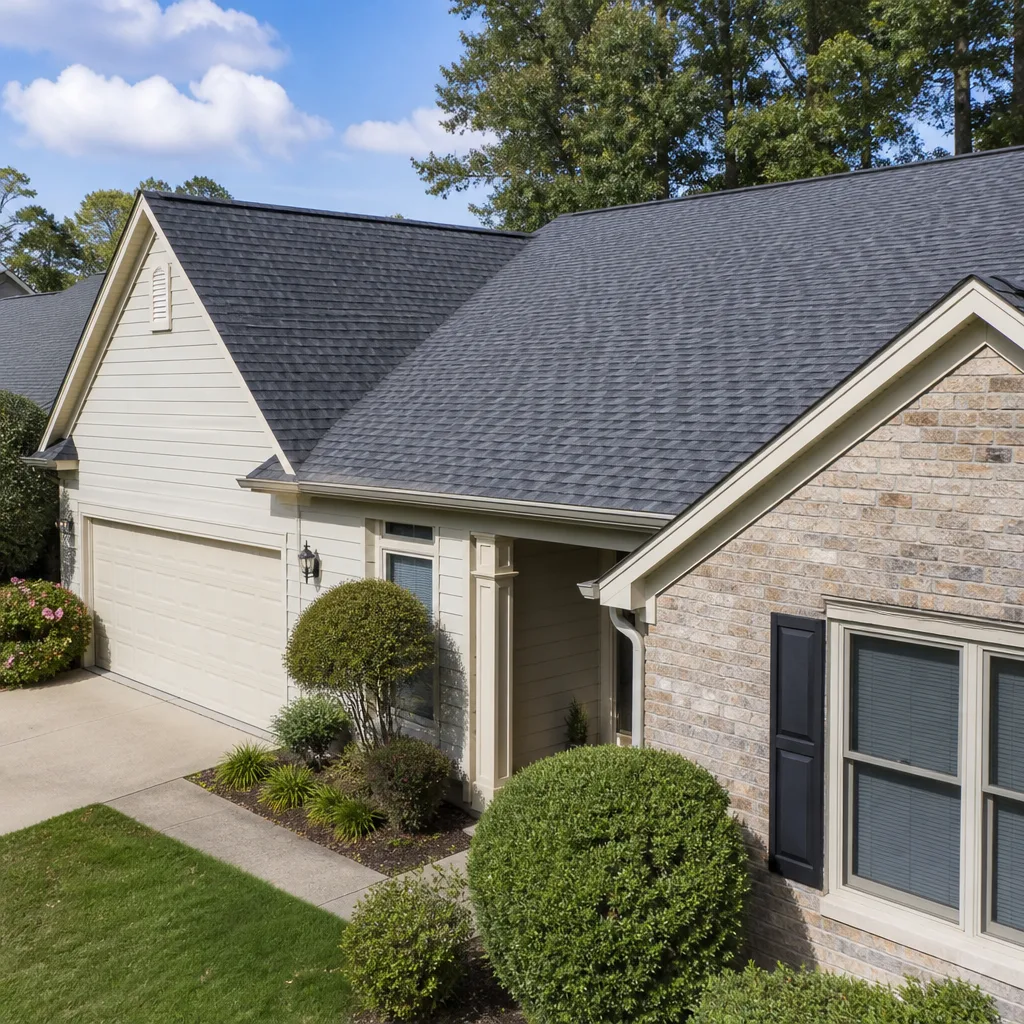 GAF
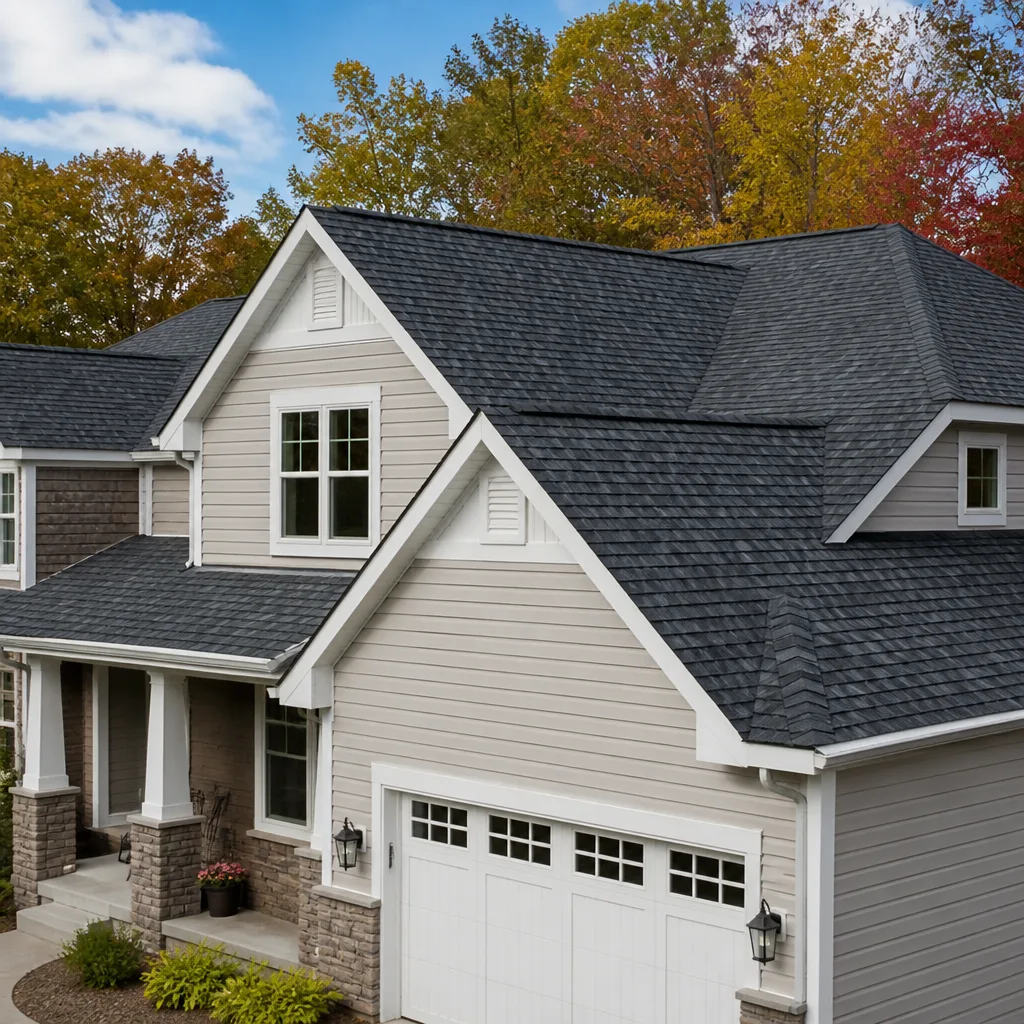 Owens Corning
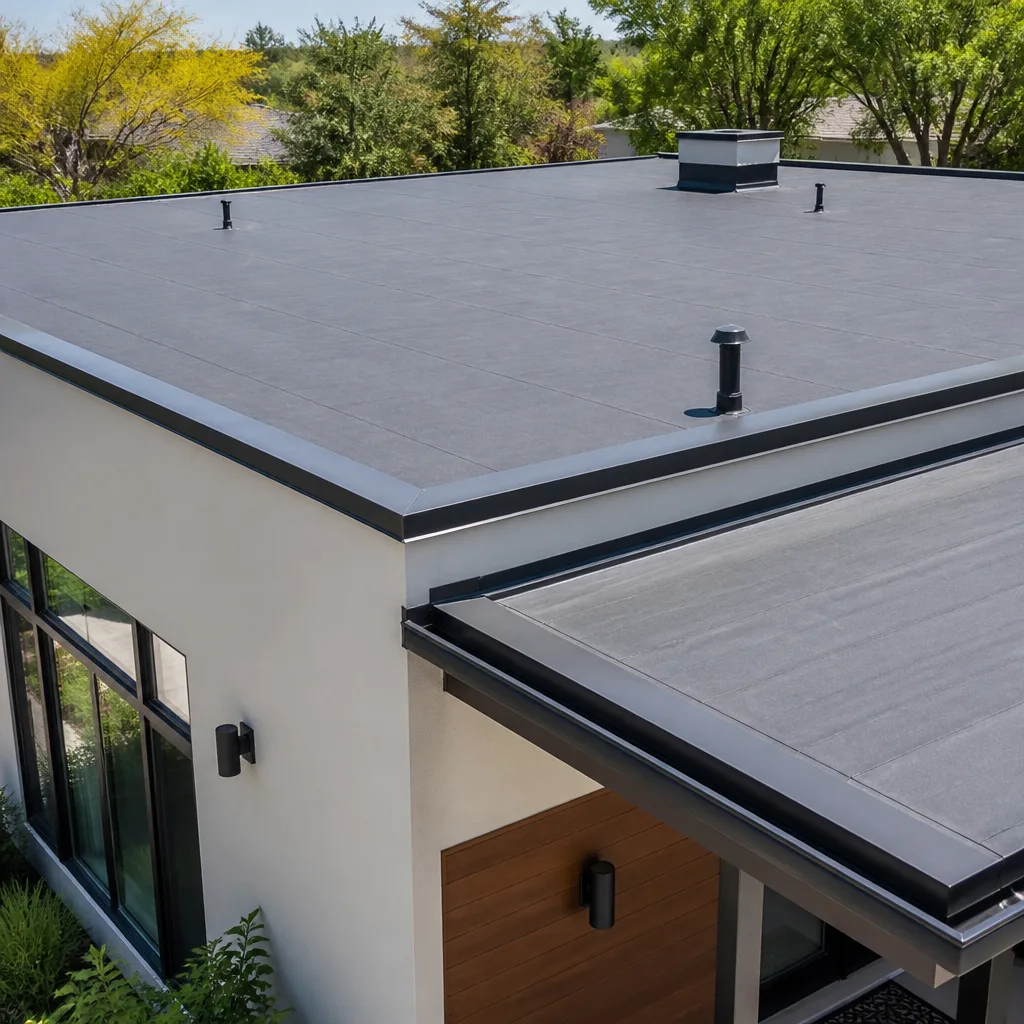 Flat & low-slope
Free roof inspection with deck photos before we talk money - GAF and Owens Corning certified installation
Choosing the Right Roofing Brand: A Buyer’s Guide for Santa Ana
Here’s a number most roofing guides won’t give you: seven of the country’s leading shingle manufacturers produce asphalt shingles that overlap in performance by roughly 80 to 90 percent. The shingles themselves are not where the meaningful differences hide. What actually separates one brand from another in a city like Santa Ana is how the manufacturer writes its warranty, whether Orange County distributors stock enough of the product line to make future repairs quick, and how well a given shingle holds up under roughly 280 days of sun per year. This guide walks through the comparison framework we use when homeowners ask us which brand they should put on their roof; for a deeper dive, see The Complete Guide to Roofing in Santa Ana.
Styles & brands we work with
Quick Answer
The best roofing brand for a Santa Ana home is the one whose specific product line matches your roof’s pitch, sun exposure, and expected lifespan, and whose warranty terms and Orange County distributor support make future service practical. There is no universal “best brand.” The right choice comes from comparing warranty fine print, regional product availability, and product-to-roof fit, not from brand loyalty or logo recognition.
Table of Contents
- Why Brand Loyalty Is a Contractor Convenience, Not a Homeowner Advantage
- How to Read a Roofing Manufacturer’s Warranty
- Which Brand Product Lines Fit Santa Ana’s Climate
- The Distributor Availability Factor Most Buyers Miss
- How Material-Agnostic Contractors Approach Brand Recommendations
- A Five-Point Framework for Comparing Any Roofing Brand
- Common Mistakes to Avoid
- When to Call a Professional
- Frequently Asked Questions
- The Bottom Line
Why Brand Loyalty Is a Contractor Convenience, Not a Homeowner Advantage
Walk through a Santa Ana neighborhood and you’ll see roofs installed thirty, forty, even fifty years ago that are still shedding water. Many of those roofs carry brand names that no longer exist, or product lines that have been discontinued twice over. The roof’s performance had less to do with the logo on the shingle wrapper than with how the product was matched to the structure underneath it.
Here’s the uncomfortable truth about roofing brand loyalty: most of the time it benefits the contractor more than the homeowner. A contractor who installs only one brand can negotiate volume pricing with that manufacturer, streamline crew training around a single product line, and reduce their inventory complexity. That’s a legitimate business model, and many single-brand roofers do honest work. But the homeowner gives up something in that arrangement: genuine product choice.
In our experience, the conversation about roofing brands should start with the roof itself, not the manufacturer catalog. What’s the pitch? What direction does the roof face? How much of the afternoon does it spend under full Santa Ana sun? What’s the existing ventilation setup? Those answers narrow the field much faster than comparing brand reputation scores.
CertainTeed, GAF, Owens Corning, and Boral all make products we’re comfortable installing. The question is never “which of these is the best company.” The question is “which of these companies makes the product line that fits this specific roof.”
How to Read a Roofing Manufacturer’s Warranty
The single most important skill a Santa Ana homeowner can develop before choosing a roofing brand is the ability to read a warranty document without falling for the marketing language on the first page; our The Complete Roof Repair Guide for Santa Ana Homeowners covers what to look for. “Limited lifetime warranty” sounds impressive. In practice, it usually means the shingles are covered against manufacturing defects for a defined period, often with the coverage value dropping sharply after the first few years.
Here’s what to actually look for.
- Prorated vs. non-prorated terms. A non-prorated warranty means the manufacturer covers the full material replacement cost during the stated period. A prorated warranty reduces coverage as the roof ages. A “30-year” shingle might carry only five years of non-prorated coverage and twenty-five years of declining value.
- Labor inclusion. Many manufacturer warranties cover materials only. If a shingle fails at year eight, the manufacturer might send replacement shingles, but the homeowner pays the labor to remove and reinstall. Labor coverage often exists only in the first two to five years, and even then only if the roof was installed by a certified or authorized contractor.
- Wind speed ratings. Santa Ana’s seasonal Santa Ana winds can gust through canyons and across exposed neighborhoods with surprising force. Check the wind warranty. Some product lines are rated to 110 mph, others to 130 mph or higher. The rating matters on exposed ridges and gable ends.
- Algae and UV degradation clauses. High-UV climates accelerate granule loss and color fading. Some warranties explicitly exclude cosmetic fading. Others offer limited protection for a defined window.
- Transferability. If you sell your Santa Ana home in seven years, does the warranty transfer to the next owner? Some manufacturers allow one transfer; some allow none. Transferable warranties can be a real selling point.
The warranty is a financial document, not a promise of performance. A shingle that carries a fifty-year warranty but is installed on a roof with poor ventilation will fail long before the warranty matters, and the manufacturer will point at the ventilation problem, not the shingle.
Which Brand Product Lines Fit Santa Ana’s Climate
Santa Ana presents a specific set of environmental demands for any roofing material. The city gets roughly 13 inches of rain per year, which is low enough that water intrusion is less of a daily threat than it is in the Pacific Northwest. But the sun is relentless. UV exposure is the primary degradation driver here, not moisture. Shingle granule loss, asphalt drying and cracking, and thermal cycling stress all accelerate under sustained high-UV conditions with limited cloud cover.
This means a homeowner in Santa Ana should weight UV performance and thermal stability more heavily than a homeowner in Seattle or Portland would. Some product lines are formulated with modified asphalt blends that resist UV embrittlement better than standard formulations. Other products focus on impact resistance, which matters less here than it does in hail-prone markets like Dallas or Denver.
For asphalt shingles, we’ve seen good long-term results in Santa Ana with GAF’s Timberline series and CertainTeed’s Landmark line. Both offer architectural shingle profiles that handle thermal cycling well when installed with proper attic ventilation. Owens Corning’s Duration series also performs reliably in high-sun environments, particularly on roofs with decent airflow.
For homeowners exploring non-asphalt options, Boral’s concrete and clay tile products are engineered differently. Tile roofs have been the standard in Southern California for a reason: clay and concrete don’t degrade under UV the way asphalt does. Boral’s tile lines, including their concrete tile profiles, are heavier and require a roof structure that can handle the load, but they offer a lifespan that dwarfs even premium asphalt shingles. A Boral tile roof on a Santa Ana home can reasonably be expected to last fifty years or more with proper maintenance. The tradeoff is upfront cost and structural requirements.
The Distributor Availability Factor Most Buyers Miss
Here’s a scenario we’ve seen play out in Santa Ana more than once. A homeowner buys a house with a roof installed using a brand that’s popular on the East Coast but has thin distribution in Southern California. Five years later, a repair is needed. The matching shingle color is discontinued. The nearest distributor that carries the line is in another state. The repair takes three weeks and the color match is approximate.
Brand selection is not just about the product at installation. It’s about the product’s availability for the life of the roof.
Orange County has strong distributor networks for the major national brands: GAF, CertainTeed, Owens Corning, and IKO all maintain regional warehouse presence. That means color-matched shingles for repairs are usually available within days, not weeks. It also means warranty claims move through established channels rather than getting stuck in a distributor gap.
Boral operates a different distribution model. Their tile products are manufactured in California and distributed through regional tile yards, which means lead times and availability are generally strong for their core product lines. The tile contractor network in Southern California is also mature enough that finding a qualified installer is less of a challenge than it might be in other regions.
Before committing to any brand, ask your contractor this question: “If we need a repair in five years, how fast can you get the matching material?” A good contractor will know the answer because they work with the distributors regularly. A contractor who hesitates may be recommending a brand they stock for their own convenience, not one that serves the homeowner over the roof’s full lifespan.
How Material-Agnostic Contractors Approach Brand Recommendations
There are two basic business models in the roofing trade. Single-brand contractors align with one manufacturer, often pursuing installer certification or preferred status with that brand. Material-agnostic contractors install products from multiple manufacturers and choose the product based on the roof’s requirements.
Neither model is inherently dishonest. The difference shows up in how recommendations get made.
A single-brand contractor evaluates every roof through the lens of their one product line. If they carry GAF exclusively, every recommendation will be a GAF product. The question is whether that product is genuinely the best fit for the roof in front of them, or whether the recommendation is shaped by the contractor’s inventory and margin structure.
A material-agnostic contractor starts with the roof. What’s the pitch? Does it have adequate ventilation? Is it a tile-to-shingle conversion or a standard asphalt replacement? What’s the homeowner’s budget and lifespan expectation? Those answers point toward a product category, and within that category, a specific brand and product line.
At Tilecraft Roofing, we install products from seven major manufacturers: GAF, CertainTeed, Owens Corning, IKO, Atlas, Tamko, and Boral. That breadth matters because it means we’re not constrained by a single product catalog. If a roof needs high-UV asphalt shingles, we can recommend the right line. If a homeowner wants to explore clay tile for a Spanish-style home, Boral is in our portfolio. The recommendation follows the roof, not the other way around.
This also shapes how we approach roof inspection in Santa Ana. We look before we quote. The inspection determines the roof’s actual condition, and that condition determines what we recommend, whether that’s a targeted repair or a full replacement.
A Five-Point Framework for Comparing Any Roofing Brand
When a Santa Ana homeowner asks us to help them choose between two or three brands, we walk them through the same five-point framework every time. It’s a repeatable process that strips out marketing noise and focuses on the factors that actually determine long-term roof performance and ownership cost.
- Warranty terms. Read the full warranty document, not the brochure. Check prorated vs. non-prorated coverage, labor inclusion, wind rating, and transferability. Compare the documents side by side. The differences are usually in the details.
- Regional distributor support. Confirm that the brand maintains active distribution in Orange County. Ask your contractor how quickly they can source matching material for future repairs. Thin distribution means longer repair timelines and fewer color-match options.
- Product-to-pitch fit. Every shingle line has an approved pitch range. Low-slope roofs need different products than steep roofs. Ask whether the specific product being recommended is rated for your roof’s pitch, not just whether the brand is reputable.
- Installer certification requirements. Some enhanced warranties require the installing contractor to hold a specific certification. Verify that the contractor quoting the work actually holds that certification before assuming the enhanced warranty applies.
- Total installed cost, not just material cost. Some product lines carry higher labor costs due to installation complexity. Get line-item quotes that separate material and labor so you’re comparing apples to apples.
This framework works whether you’re comparing GAF against CertainTeed, Owens Corning against IKO, or asphalt shingles against Boral tile. The variables stay consistent. The answers change based on your specific roof and budget.
Common Mistakes to Avoid
- Choosing a brand based on advertising recognition. The most-advertised brand is not automatically the best fit for a Santa Ana roof. Marketing budgets don’t change how a shingle performs under UV exposure.
- Ignoring the warranty’s prorated terms. “Lifetime” means different things in different documents. A lifetime warranty with only five years of non-prorated coverage is meaningfully different from one with fifteen years, even if both are marketed as “lifetime.”
- Assuming a higher price always means a better product. Some premium pricing reflects brand positioning and marketing, not material differences. Compare specs and warranty terms, not just price tags.
- Skipping the ventilation conversation. No shingle brand performs well on a roof with inadequate attic ventilation. This is one of the most common failure points we see during roof repair work in Santa Ana, and it applies regardless of which shingle manufacturer you choose.
- Choosing tile without verifying structural load capacity. Boral clay and concrete tile products are excellent materials for Southern California, but they’re heavy. A roof structure designed for asphalt shingles may not handle tile without reinforcement. Verify before committing.
- Discounting future repair availability. A discontinued color or product line creates real problems when a repair is needed years after installation. Check that the product line is current and widely distributed in Orange County.
- Treating the brand decision as more important than the installation. The best shingle in the world fails early if it’s installed poorly. The installer’s workmanship matters more than the brand name on the wrapper.
When to Call a Professional
If your roof is at or past the fifteen-year mark and you’re starting to think about a roof replacement in Santa Ana, the brand conversation should begin with a professional inspection. An honest assessment of the roof’s current condition tells you whether you need to plan for replacement now or whether repairs can extend the roof’s life for a few more years.
You should also call a professional if you’re seeing granule accumulation in gutters, curling shingle edges, or interior water stains that suggest the roof is no longer shedding water reliably. These are diagnostic signals, not brand-selection criteria. Tilecraft Roofing offers free estimates in Santa Ana. Call (833) 467-4846 to schedule an inspection and get a honest recommendation on both the timing and the material choice.
Frequently Asked Questions
There is no single best brand. The right choice depends on your roof’s pitch, sun exposure, budget, and lifespan expectation. GAF Timberline and CertainTeed Landmark are solid asphalt options for high-UV climates, and Boral tile products offer superior longevity for homeowners willing to invest in a heavier system.
Roof replacement costs in Santa Ana vary widely depending on material choice, roof size, and structural requirements. Asphalt shingle replacement typically runs lower than tile, and Boral tile systems come with a premium price tag. The best way to get an accurate number is to call (833) 467-4846 for a free, line-item estimate.
Most manufacturer warranties cover materials only, with limited labor coverage in the first few years and often only if the roof was installed by an authorized or certified contractor. Always read the full warranty document before making a brand decision.
For homeowners planning to stay in their home long-term, yes. Boral clay and concrete tile offer lifespans of fifty years or more, which is roughly two to three times the life of premium asphalt shingles. The upfront cost is higher, and the roof structure must handle the weight, but the long-term value is strong for Santa Ana’s climate.
In many cases, yes. Repair is appropriate when the roof’s underlying structure is sound and the damage is localized. Our process is inspection first: we identify the actual problem before recommending any scope of work. Repair when repair is right, replace when it’s not.
Santa Ana’s high UV exposure shortens asphalt shingle life compared to cooler, cloudier climates. Quality architectural shingles typically last fifteen to twenty-five years here with proper ventilation. Tile roofs can last fifty years or more. Call (833) 467-4846 for an honest assessment of your roof’s remaining life.
The Bottom Line
Choosing a roofing brand for a Santa Ana home comes down to matching a specific product line to your roof’s pitch, exposure, and expected lifespan, then verifying that the warranty supports your ownership timeline and that Orange County distributors can support future repairs. Brand loyalty is a contractor convenience. Homeowner advantage comes from product choice and honest comparison. If you’re weighing options, start with a professional inspection that gives you an accurate picture of your roof’s current condition, or browse more guides & resources to continue your research. From there, the material conversation becomes much clearer.
Written by the team at Tilecraft Roofing, serving Santa Ana since 2012.
See the difference
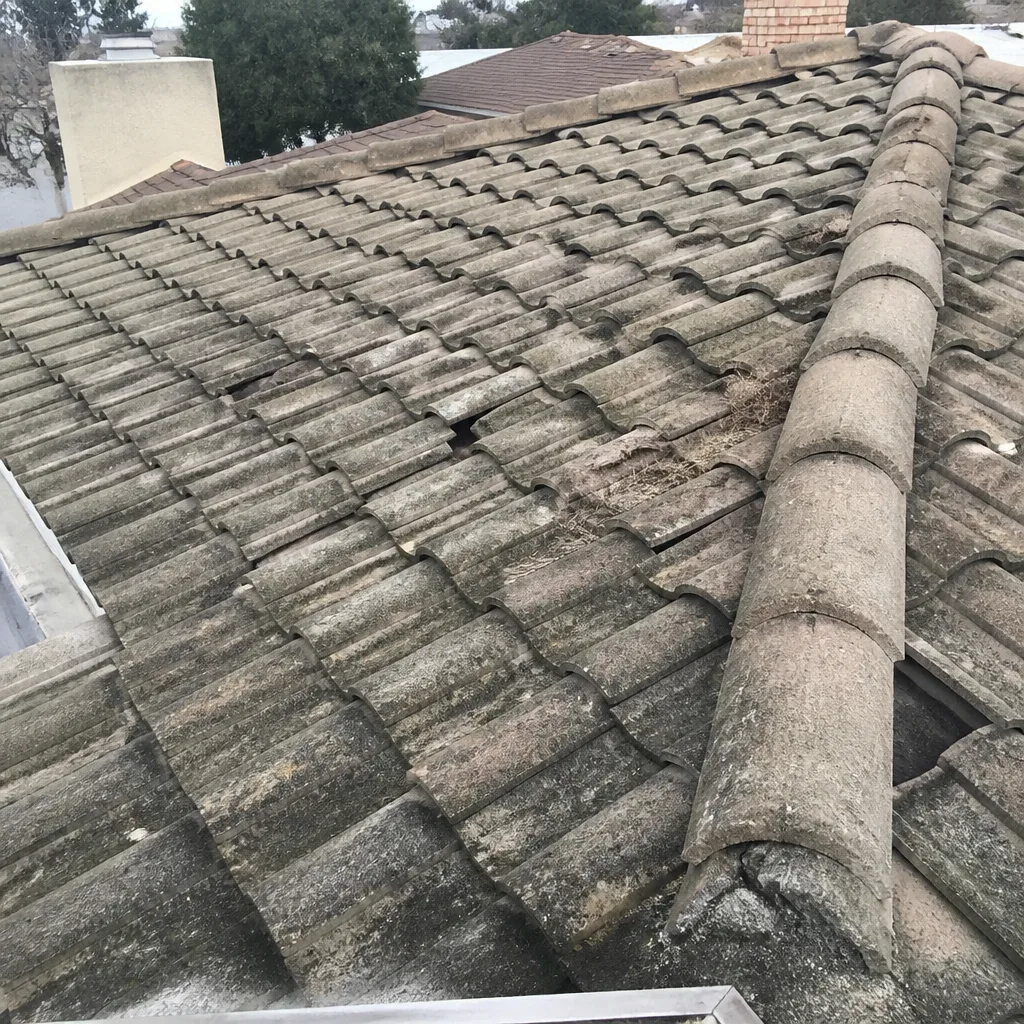 Before
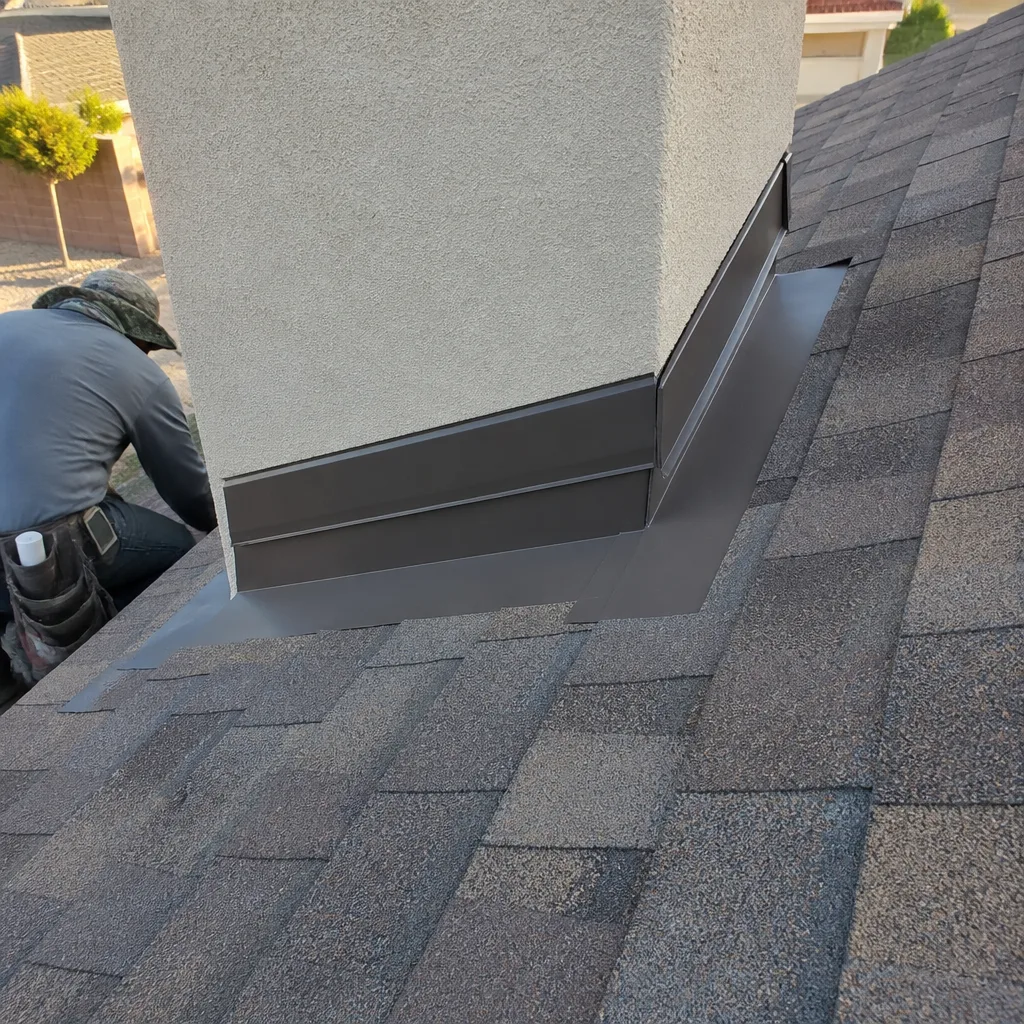 After
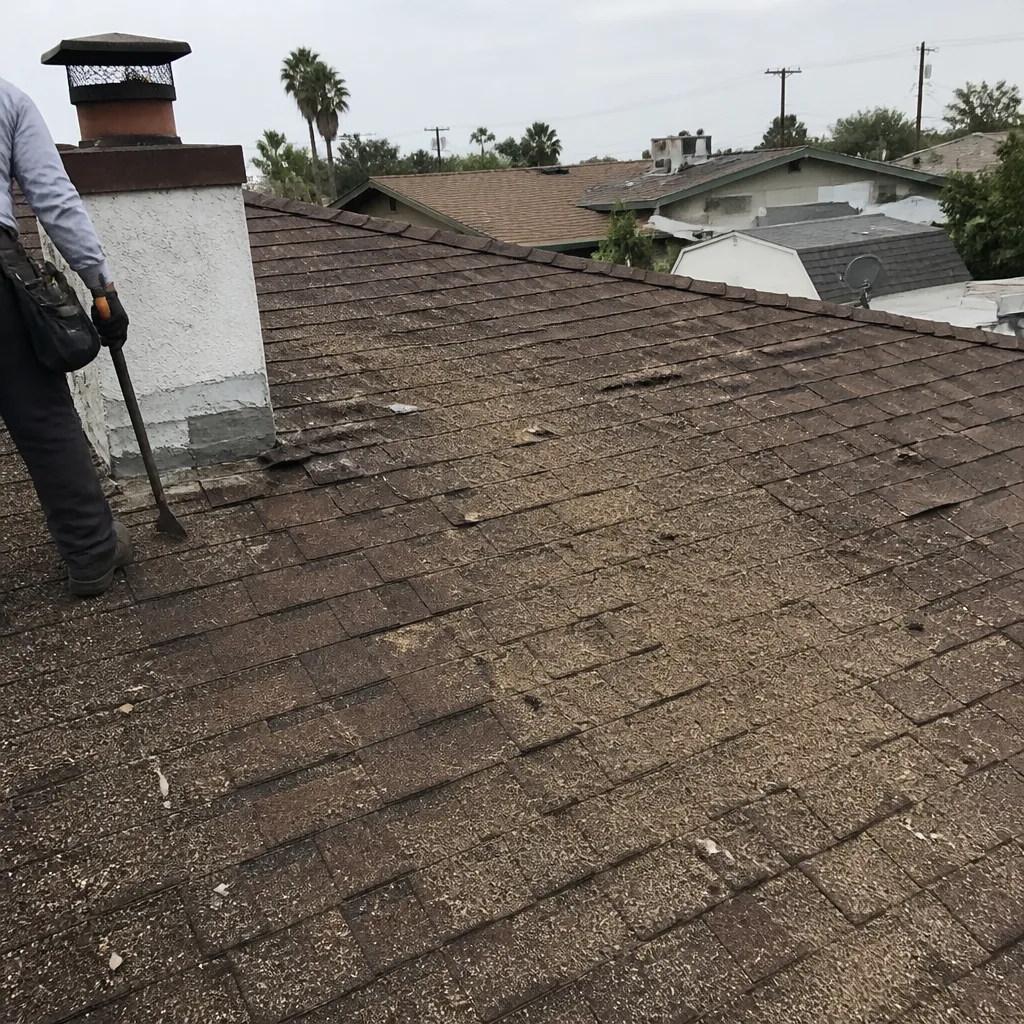 Before
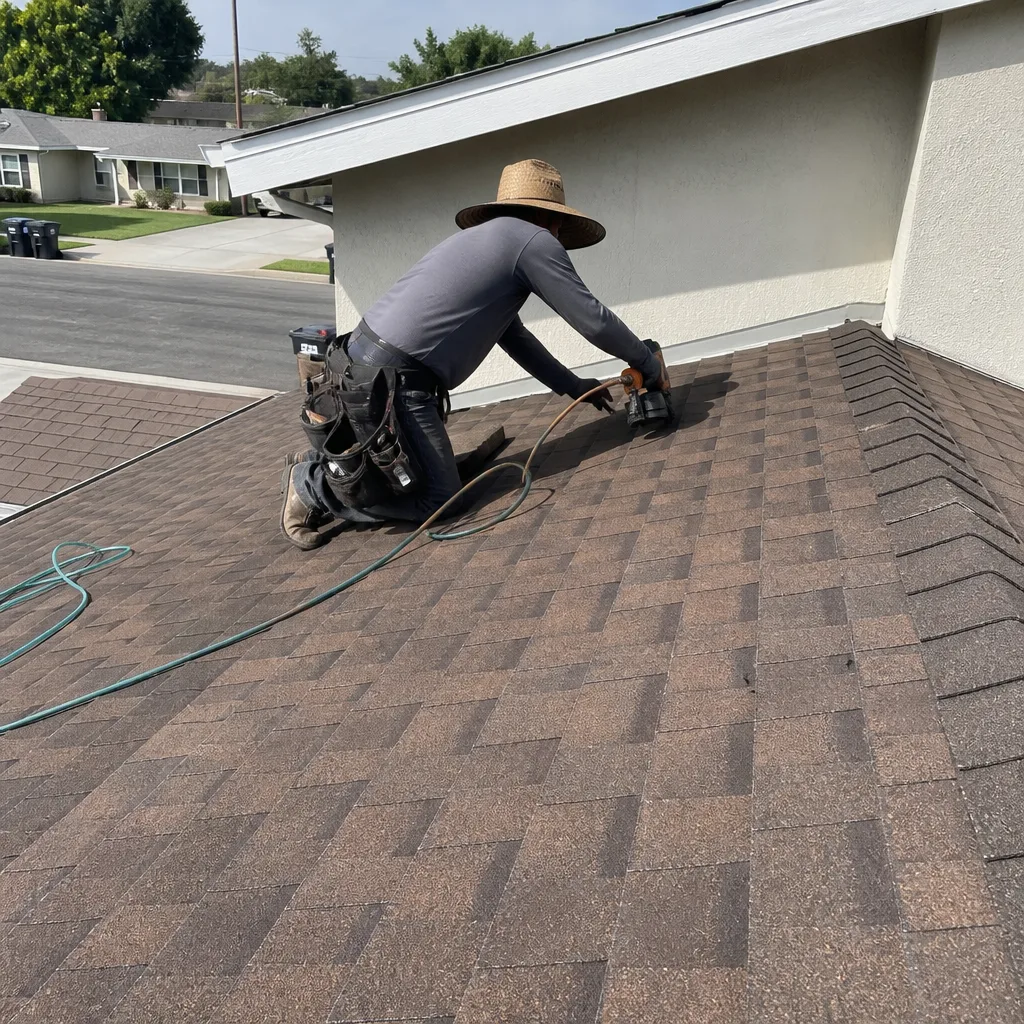 After
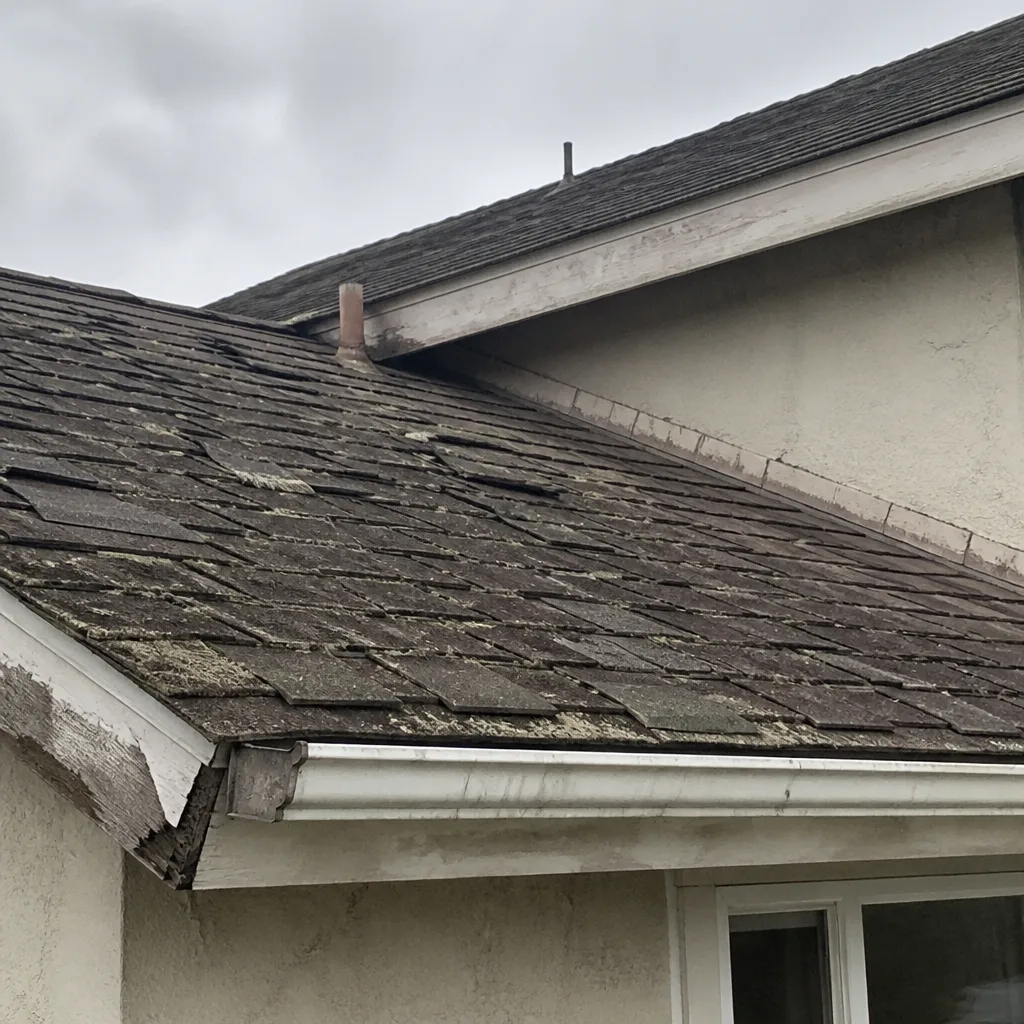 Before
 After