
Last updated October 31, 2026
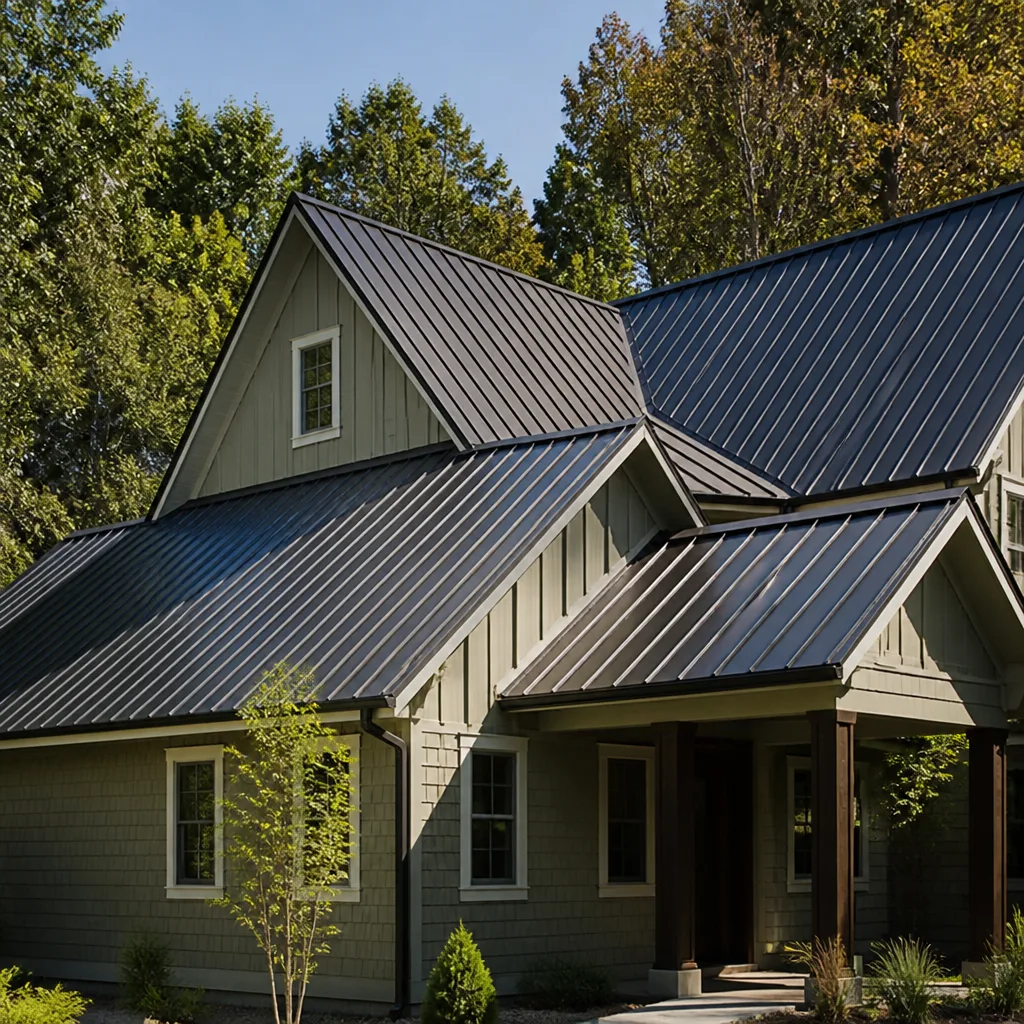 Metal roofing
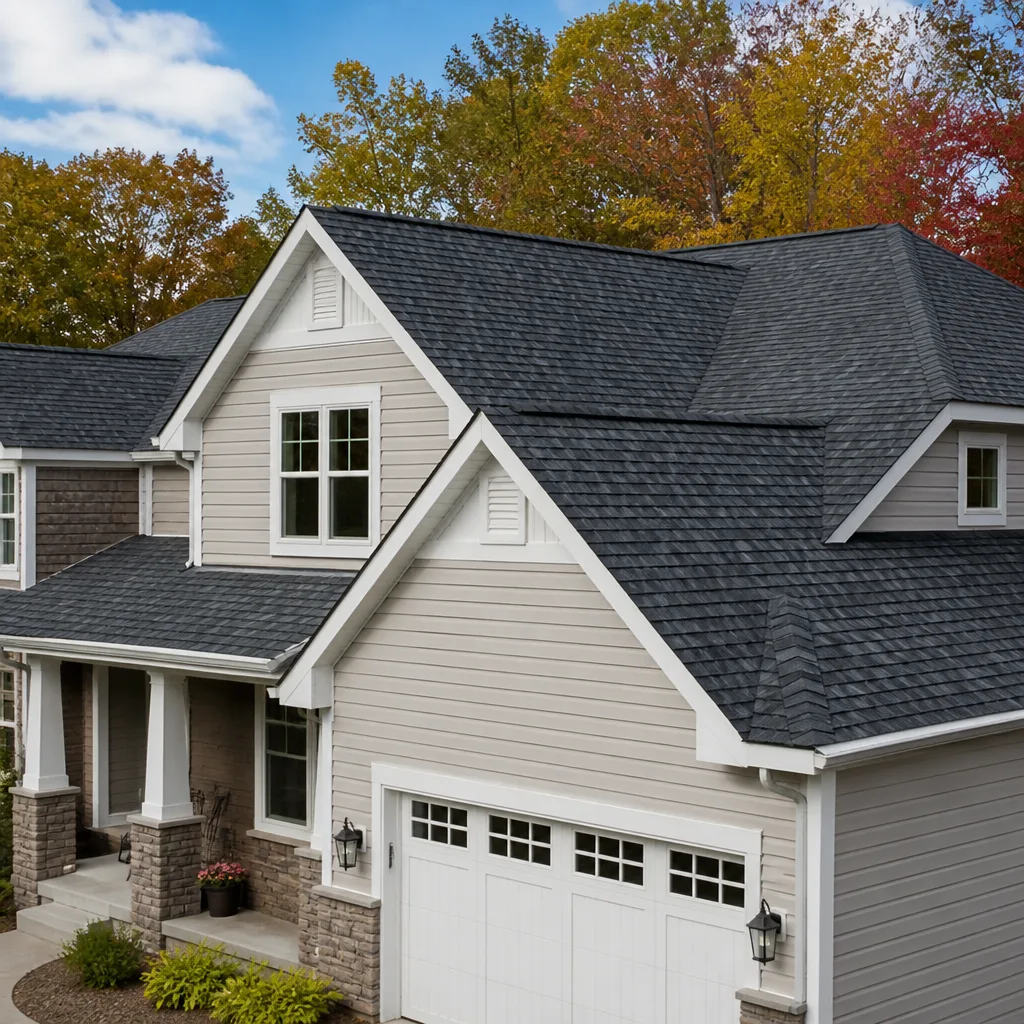
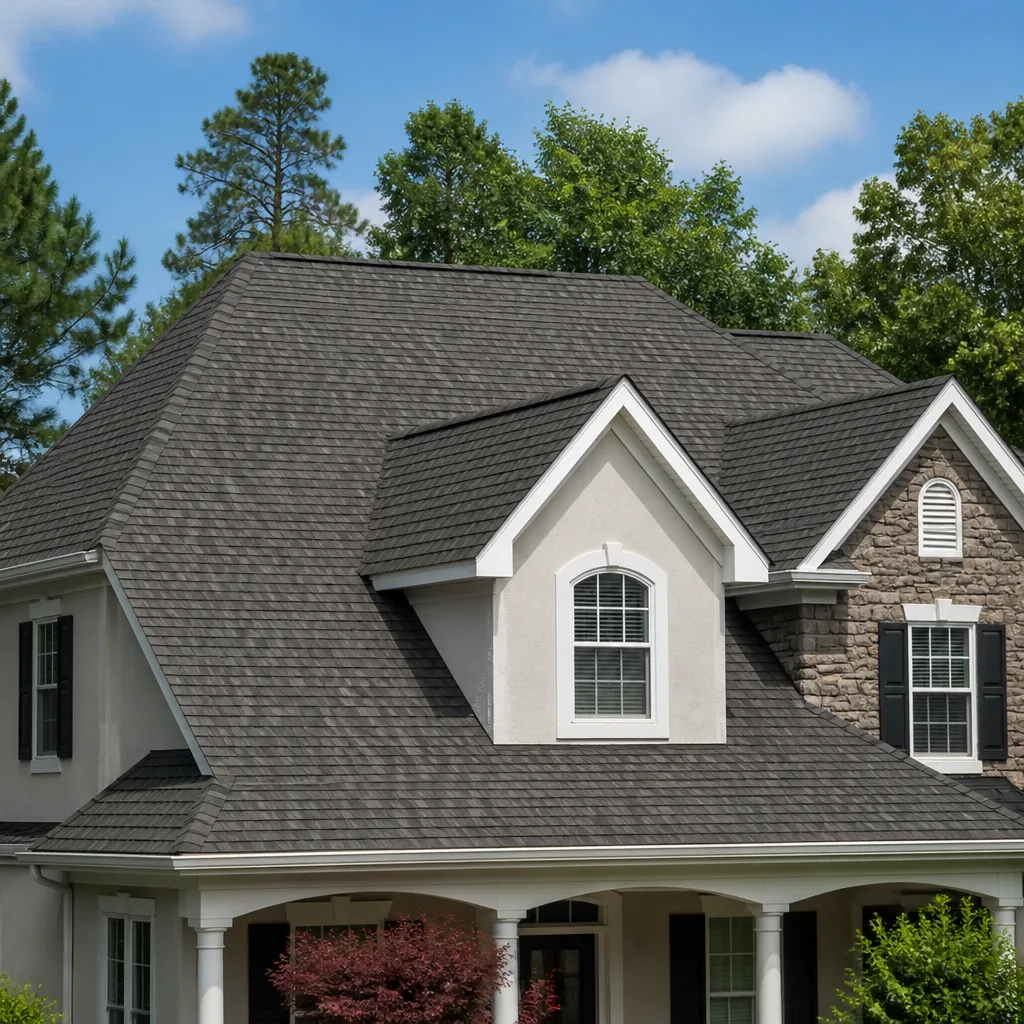 Architectural shingles
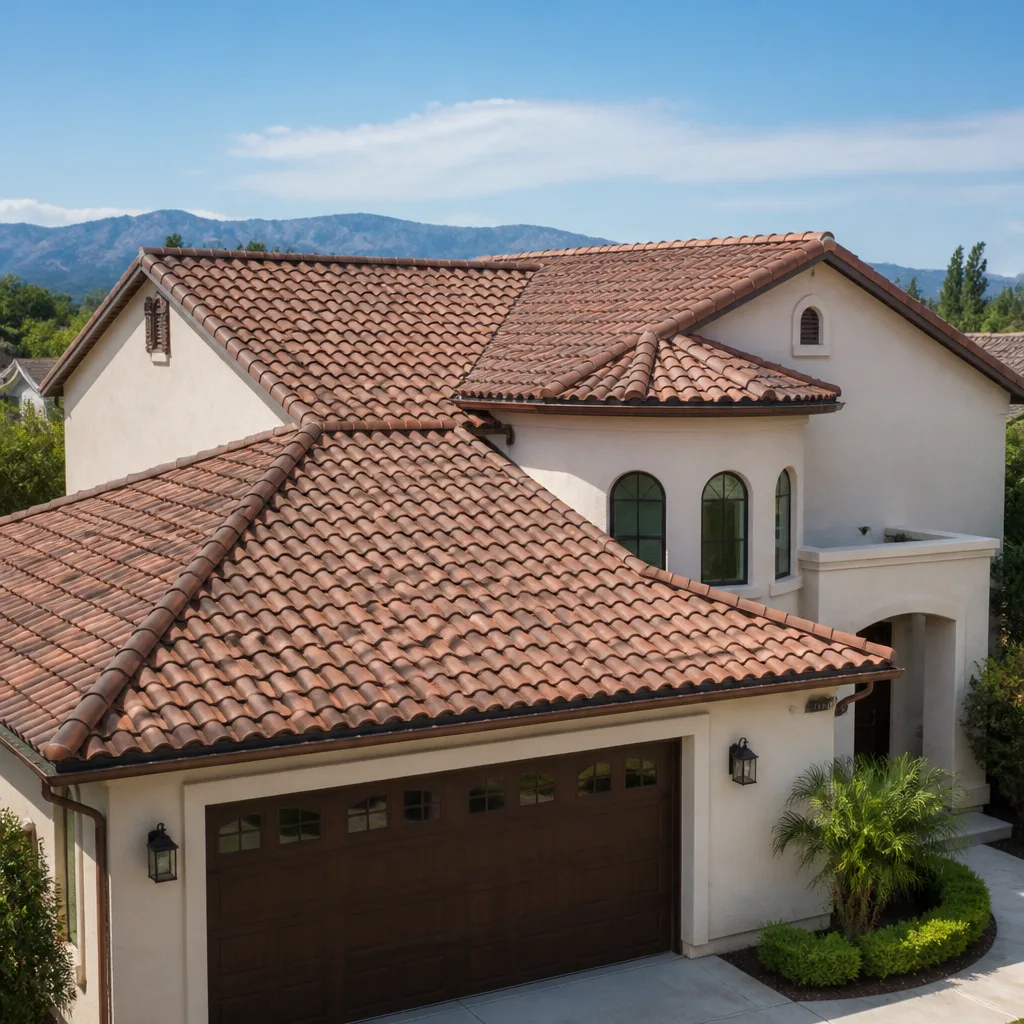 Tile roofing
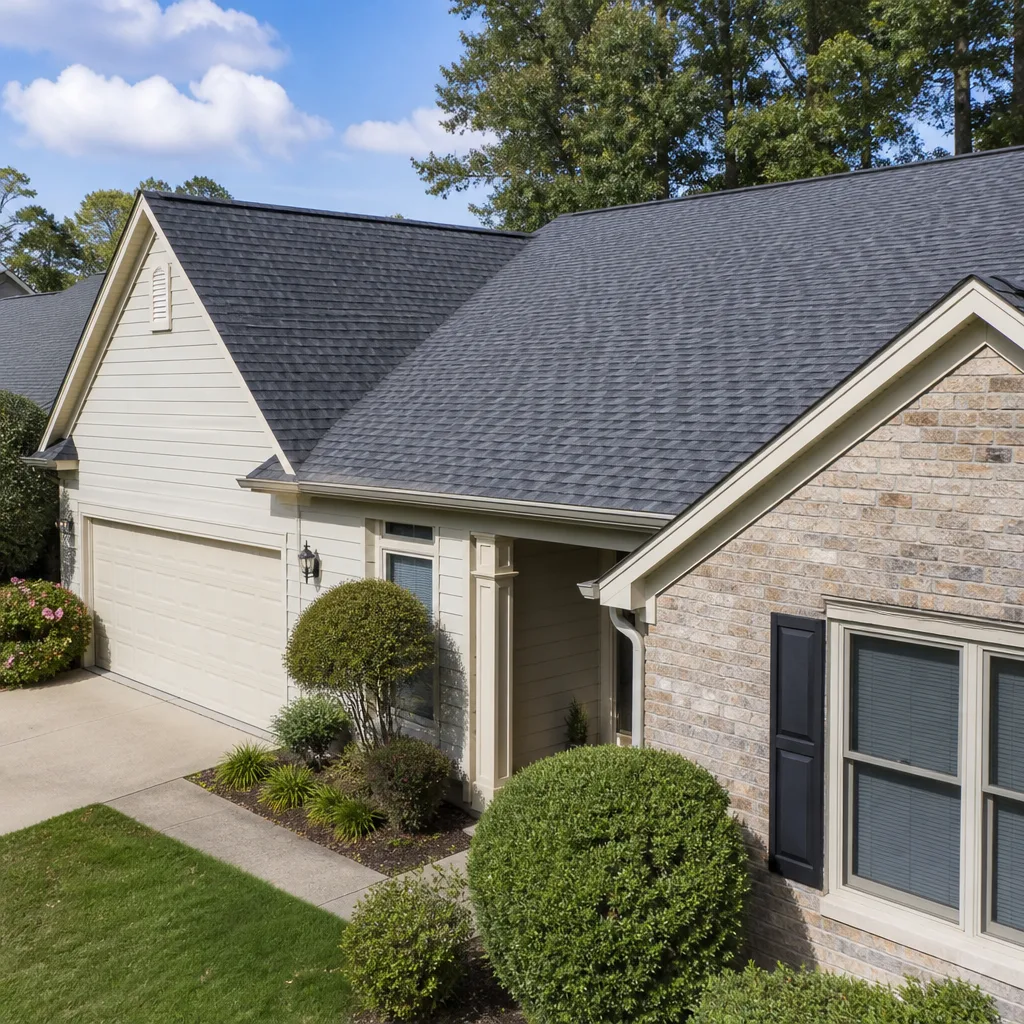 GAF
 Owens Corning
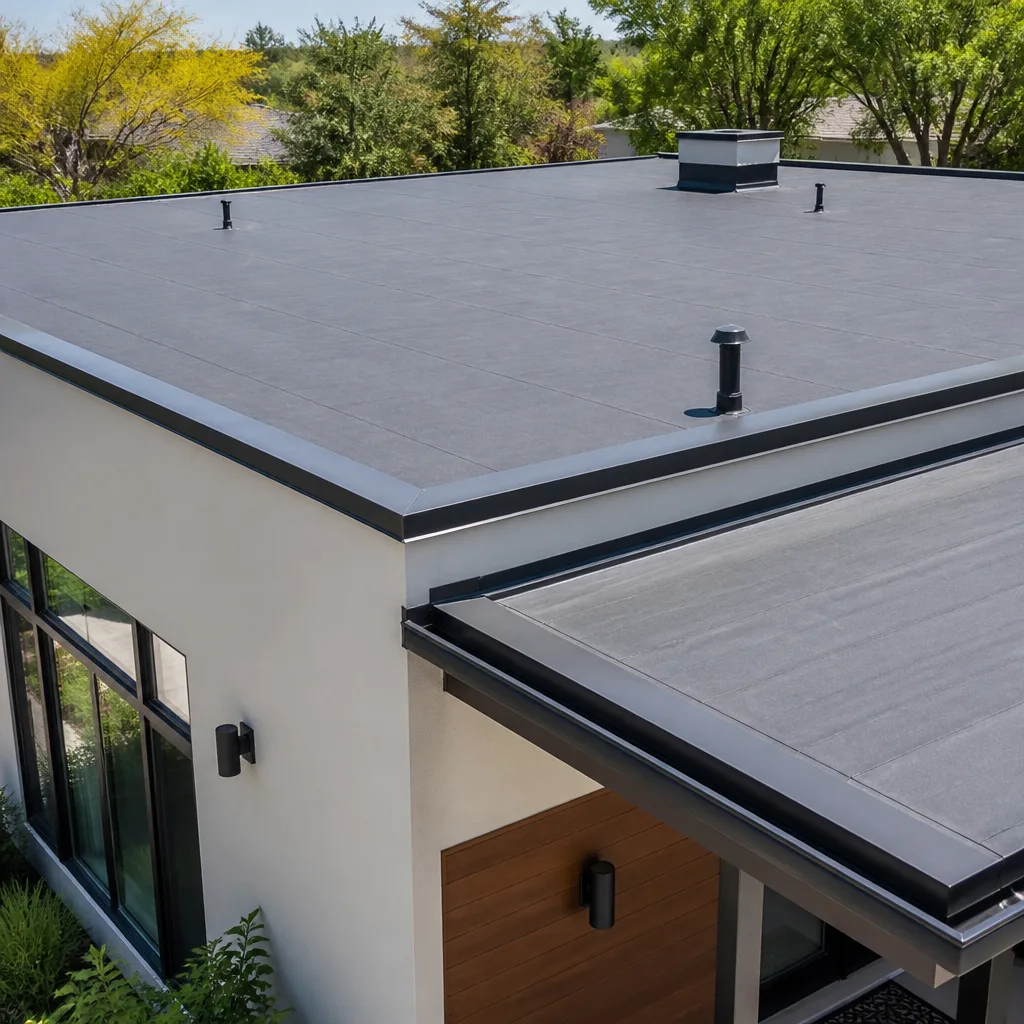 Flat & low-slope
Free roof inspection with deck photos before we talk money - GAF and Owens Corning certified installation
The Complete Guide to Roofing in Santa Ana
Most Santa Ana homes were built before 1980. That means the roof deck underneath whatever material is up there may be the real story, and most roofing guides never mention it. The shingles or tiles you see from the street are only half the equation. What matters is what lies beneath: wood sheathing that has weathered decades of coastal moisture, Santa Ana wind cycles, and heat. This guide covers what actually drives roofing decisions in Santa Ana, from wind-stressed fasteners to the inspection-first approach that saves homeowners from paying for replacements they do not need.
Quick Answer
Roofing in Santa Ana requires matching materials to two competing forces: moist Pacific air from the west and hot, dry Santa Ana winds from the east. The right roof starts with a thorough inspection of the deck, flashing, and fasteners, not a quick glance at the shingles. Repairs make sense when damage is isolated; replacement is the honest call only when the underlying structure or widespread material failure demands it.
Styles & brands we work with
Table of Contents
- How Santa Ana Winds Actually Damage Roofs
- Coastal Corrosion vs. Inland Heat: Two Roofs in One City
- Why Pre-1980 Housing Stock Changes the Scope of Every Job
- Material Performance in Orange County’s Climate Zone
- The Full Roof Lifecycle: Inspection, Repair, Replacement
- Permits, Code, and What Santa Ana Requires
- Common Mistakes to Avoid
- When to Call a Professional
- Frequently Asked Questions
How Santa Ana Winds Actually Damage Roofs
Santa Ana winds are not just strong; they are sustained and directional. Wind gusts in the 40 to 60 mph range are common during fall events, and those winds hit roofs from the northeast with remarkable consistency. That directional force matters. Fasteners on the windward slope, especially along the ridge cap and at the edges, absorb repeated uplift cycles that loosen them over time. A roof that looks fine from the ground may have hundreds of small fastener failures concentrated on one slope.
Ridge caps fail first. The cap shingles sit on the highest point of the roof and catch the full force of the wind. Once a cap shingle lifts, even slightly, the wind gets underneath it and begins peeling it back. This creates a cascading effect: one lifted cap shingle exposes the next one, and within a season, a roof that was installed correctly can lose significant sections of cap coverage.
Fastener systems matter more than most homeowners realize. In Santa Ana, we have seen roofs where the shingles themselves were still in good condition, but the nails had backed out along the windward edge. The shingle tabs lifted and snapped in the wind, leaving bare decking exposed. The fix is rarely a full replacement. It is a targeted repair that re-secures fasteners, replaces damaged ridge caps, and checks the flashing at the eaves and rakes. Understanding this distinction is the difference between a $600 repair and a $18,000 replacement.
Here is what wind damage actually looks like on Santa Ana roofs:
- Lifted ridge caps: the cap shingles at the peak are the first to loosen under sustained northeast winds.
- Backed-out fasteners: nails along the windward slope begin to protrude, lifting shingle tabs with them.
- Edge and rake losses: shingles at the perimeter, especially on the north and east sides, detach first.
- Flashing separation: the metal flashing at valleys, chimneys, and vent pipes gets worked loose by repeated wind pressure.
Not every wind event requires a repair. But after any significant Santa Ana wind cycle, a quick visual check of the ridge line and the windward slope from the ground is worth doing. If you see lifted tabs or missing caps, the roof repair route is likely the right scope, not a full replacement.
Coastal Corrosion vs. Inland Heat: Two Roofs in One City
Santa Ana is a city split by geography. The western neighborhoods, closer to the 55 and the 405, feel the marine layer and its persistent moisture far more than the eastern neighborhoods near the 241 and the foothills. That split creates two very different roofing environments within the same city limits.
West of the 55, the dominant stressor is corrosion. The morning marine layer delivers moisture, and the afternoon sun bakes it off. This daily cycle of wet-to-dry is rough on metal components: flashing, fasteners, and vent collars. Galvanized steel flashing that would last 30 years in a dry climate can show significant rust in 15 to 20 years here. The fix is material choice. Copper and stainless steel flashing, or at minimum a higher-gauge galvanized product, pay for themselves in coastal-adjacent Santa Ana neighborhoods.
East of the 55, the stressor shifts to heat load. The marine layer burns off earlier, and afternoon temperatures run higher. Asphalt shingles on east-facing slopes absorb significant solar energy day after day. The shingles do not fail suddenly; they cure, become brittle, and lose granule adhesion gradually. A 25-year shingle in a cool northern climate may be a 20-year shingle on an exposed eastern Santa Ana slope. This is not a product defect. It is the local climate working as it does.
- Identify your zone: west of the 55 means moisture-dominant; east of the 55 means heat-dominant.
- Match metal components to moisture: in western Santa Ana, upgrade flashing and fasteners to corrosion-resistant metals.
- Match shingle grade to heat: in eastern Santa Ana, consider algae-resistant or higher-wind-rated asphalt shingles that also hold up better under sustained UV.
- Inspect with your zone in mind: western roofs get rust checks; eastern roofs get brittleness and granule-loss checks.
The point of all this is simple: a generic roofing recommendation ignores the actual conditions on your side of town. The right material for a roof near the Santa Ana Zoo is not necessarily the right material for a roof near the 241 toll road. This is why the roof inspection comes first. You cannot match materials to conditions you have not assessed.
Why Pre-1980 Housing Stock Changes the Scope of Every Job
Santa Ana has some of the oldest housing stock in Orange County. Entire neighborhoods were built out before 1970. That matters for one specific reason: the plywood and plank decking under the shingles is often original. And original decking from that era has characteristics that modern materials do not.
Pre-1980 decking was typically installed as 1×6 or 1×8 spaced planks, not the solid plywood sheets used today. The gaps between planks were never an issue under old organic shingles, which were thicker and more rigid. But modern asphalt shingles, especially laminate architectural shingles, are more flexible. Over spaced plank decking, shingles can bridge the gaps and eventually sag. The result is a wavy roof surface that wears unevenly and leaks at the low points.
The second issue is fastener grip. Older plank decking, after 40 or 50 years, can be dry, splintered, and less able to hold nails. A roofer who simply nails new shingles into old planks without checking for solid nailing surfaces is building a roof that will fail at the fasteners, which is exactly the kind of failure Santa Ana winds exploit.
When a full roof replacement is the right call on a pre-1980 home, the scope often includes decking work that a newer home would not need. This might mean:
- Overlay with plywood or OSB: installing a solid sheathing layer over spaced planks to create a continuous nailing surface and a smoother roof plane.
- Selective plank replacement: removing and replacing damaged or rotten planks before new underlayment goes down.
- Re-nailing the existing deck: securing original planks to the rafters to eliminate movement and squeaks before reroofing.
None of this is visible from the ground during an estimate. It is only discoverable during an inspection or a tear-off. A contractor who quotes a replacement without accounting for pre-1980 decking is quoting an incomplete job. A contractor who inspects first will tell you honestly what the deck needs before the first shingle comes off. That honesty changes the price conversation, and it should.
Tilecraft Roofing uses an inspection-first process for exactly this reason. We look before we quote. It is not a sales tactic; it is the only way to give an accurate number on an older Santa Ana home.
Material Performance in Orange County’s Climate Zone
Material choice in Santa Ana is not about what looks best on a sample board. It is about how a product performs in a specific set of conditions: morning marine moisture, afternoon sun, sustained seasonal winds, and occasional heavy rain. National averages do not tell you much. Here is how the major material categories actually perform in Orange County’s climate zone.
Asphalt Shingles
Architectural asphalt shingles remain the most common roofing material in Santa Ana, and for good reason. They are cost-effective, widely available, and perform acceptably in our climate when installed correctly. GAF Timberline is a common choice for homeowners who want proven longevity and a strong manufacturer warranty. Atlas and Tamko also produce architectural lines that hold up well in Orange County heat. The key with asphalt is choosing a shingle rated for at least 110 mph wind uplift at the fastener points, not just the shingle body. The wind rating on the shingle matters less than the fastener pattern used to install it.
Concrete and Clay Tile
Tile is common on Santa Ana roofs, especially in neighborhoods with Spanish-influenced architecture. Concrete tile is heavier and more affordable than clay. Clay tile, including Boral products, offers the aesthetics many homeowners want and exceptional longevity when the underlayment is sound. The challenge with tile in Santa Ana is not the tile itself; it is the underlayment. Original tile roofs on homes from the 1960s and 1970s were often installed over felt paper with a 20 to 25 year lifespan. Many of those underlayments are now failing while the tile above still looks fine. The honest assessment on an older tile roof is often an underlayment replacement, not a full tile replacement. That is a repair conversation, not a replacement one.
Standing Seam Metal
Metal roofs are uncommon in Santa Ana but growing in popularity for modern and mid-century homes. They perform well against heat and resist the corrosion issues that plague flashing on other systems, provided the metal is properly specified for a coastal-adjacent environment. Aluminum and certain coated steels are the right choices. Uncoated galvanized steel is a mistake within the marine influence zone.
| Material | Performance in Santa Ana | Typical Lifespan | Best For |
|---|---|---|---|
| Architectural Asphalt | Good with proper fastener pattern and wind-rated shingles | 20-30 years | Most homes, budget-conscious replacements |
| Concrete Tile | Excellent heat resistance; underlayment is the weak point | 40-50+ years with re-underlayment | Spanish-style homes, long-term ownership |
| Clay Tile (Boral) | Superior aesthetics and longevity; heavier structure required | 50+ years with maintenance | Premium aesthetics, historic or custom homes |
| Standing Seam Metal | Excellent wind and heat performance; requires corrosion-specified metal | 40-60 years | Modern designs, flat or low-slope sections |
The takeaway from this table is straightforward: no single material wins in every Santa Ana neighborhood. The right material for your roof depends on your zone, your home’s architecture, your decking condition, and your ownership timeline. Tilecraft Roofing installs products from seven major manufacturers, including GAF, CertainTeed, Owens Corning, IKO, Atlas, Tamko, and Boral. That breadth means recommendations are driven by your roof’s specifics, not by whatever brand we happen to stock.
The Full Roof Lifecycle: Inspection, Repair, Replacement
Roofing decisions in Santa Ana become much clearer when you think of them as a lifecycle, not a binary choice between patch it and tear it off. The lifecycle has three phases, and moving through them in order saves money and prevents unnecessary work.
Step 1: Inspection
The starting point is always an inspection that looks at the full system: shingles or tile, underlayment, decking, flashing, fasteners, and ventilation. A proper roof inspection in Santa Ana should include attic access to check the underside of the deck for water staining and to evaluate ventilation. Most roof problems show up first in the attic. Every course, every flashing, every fastener matters, not just the top layer.
Step 2: Repair
When inspection finds isolated damage, a targeted roof repair addresses it. This is the right scope after a wind event that lifted ridge caps, or when flashing fails around a chimney, or when a small section of shingles wears out before the rest. Repair when repair is right. The honest contractor tells you when a $700 repair buys you five more years on the rest of the roof.
Step 3: Replacement
Replacement becomes the right call when the decking is compromised, when the underlayment has failed across large sections, when fastener failure is widespread, or when the roof has simply reached the end of its useful life. Replace when it is not. At that point, a roof replacement is not an upsell; it is the only reasonable path. And on a pre-1980 Santa Ana home, that replacement conversation includes decking scope that newer homes do not face.
- Schedule an inspection before you notice a leak. The deck and flashings tell the real story.
- Ask for photos. A good inspector documents what they see in the attic and on the roof.
- Get a repair quote first if damage is localized. Full replacement is not the first answer.
- Discuss decking scope on any older home before signing a replacement contract.
- Choose materials based on your zone, not national averages or brand loyalty.
Permits, Code, and What Santa Ana Requires
Roofing work in Santa Ana falls under the California Building Code and the city’s municipal code. A full roof replacement requires a permit. Repairs, depending on scope, may not. The general rule: if the work involves removing and replacing the roof covering or any structural component, you are in permit territory. A repair that replaces a handful of shingles or reseals flashing typically does not require one.
The permit exists for a reason. When a roof is replaced, the city inspects the work at multiple stages: after the old roof is torn off, after the underlayment and decking repairs are complete, and after the new material is installed. This inspection process catches problems that a homeowner cannot: improper nailing patterns, missing underlayment at eaves, insufficient ventilation, and unaddressed deck damage. Skipping the permit skips the inspection. And on a pre-1980 Santa Ana home with original decking, skipping the inspection is how hidden deck issues get buried under new shingles.
Here is what the permit process looks like on a typical Santa Ana roof replacement:
- Permit application: the contractor files with the city, including the scope of work and material specifications.
- Tear-off inspection: the city confirms the old roofing is removed and the deck is exposed and sound.
- In-progress inspection: the city checks underlayment, flashing, and nailing before the new material goes down.
- Final inspection: the city verifies the completed roof meets code for your zone’s wind and fire requirements.
If a contractor offers to replace your roof without a permit, that is a red flag. The short-term savings never justify the long-term risk. Tilecraft Roofing handles permitting as part of the replacement scope. It is not an add-on fee; it is the job.
Common Mistakes to Avoid
- Replacing a roof that only needed a repair: wind-damaged ridge caps and localized flashing failures are repairs, not replacements. A replacement-first quote means the contractor did not actually inspect.
- Ignoring the attic during an inspection: a ground-level look at the shingles misses water staining, deck rot, and ventilation problems that only show from underneath. The attic tells the truth.
- Using galvanized flashing in western Santa Ana: the marine layer will rust standard galvanized flashing years before the roof material fails. Specify corrosion-resistant metal west of the 55.
- Pricing a pre-1980 home without decking scope: original spaced plank decking often needs an overlay or selective replacement during a reroof. A quote that skips this will change once the tear-off starts.
- Choosing materials from national recommendations: a shingle that performs well in Arizona may not be the right product for a marine-influenced Santa Ana neighborhood. Match materials to your zone.
- Hiring without confirming permitting: a replacement roof without a city permit skips mandatory inspections. On older homes, that means hidden deck problems stay hidden.
- Waiting for a leak to act: by the time water shows up on the ceiling, the damage has been progressing for months. An annual or bi-annual inspection catches problems before they become interior damage.
When to Call a Professional
Call a professional when you see lifted or missing ridge caps after a Santa Ana wind event, when you notice granule buildup in your gutters, when your attic shows water staining or daylight through the deck, or when your roof is past 20 years old and has never been professionally inspected. These are not conditions to monitor; they are conditions to assess. A professional inspection costs less than the water damage that follows an ignored leak. Tilecraft Roofing offers free estimates in Santa Ana. Call (833) 467-4846 to schedule an inspection and get an honest assessment of what your roof actually needs.
Frequently Asked Questions
Roof replacement in Santa Ana typically ranges from $9,000 to $24,000 for an average home, depending on material, decking scope, and roof complexity. Pre-1980 homes with original spaced plank decking often run higher because of the overlay work required. Call (833) 467-4846 for a line-item quote specific to your roof; estimates are free.
Yes, when the damage is isolated: lifted ridge caps, failed flashing around a chimney or vent, or a small worn section on one slope. An inspection determines whether the underlying deck and underlayment are sound. If they are, a targeted repair is the right call. If fasteners are failing across the roof or the deck is compromised, replacement becomes the honest recommendation.
Sustained directional winds in the 40 to 60 mph range do measurable damage to fastener systems and ridge caps in Santa Ana. The damage is often invisible from the ground. After a major wind event, check the windward slope and ridge line for lifted tabs or missing caps. If you see them, schedule an inspection before the next wind cycle makes it worse.
Clay tile, including products from Boral, offers the longest lifespan in Orange County, often 50 years or more with proper underlayment maintenance. Concrete tile is not far behind. However, the underlayment beneath tile fails long before the tile itself. Match material to your home’s structure and your ownership timeline, not just longevity numbers.
A proper inspection should include attic access. The underside of the deck shows water staining, ventilation problems, and deck rot that the exterior hides. An inspection that skips the attic is incomplete. Schedule one that includes both exterior and interior evaluation.
It should not, provided the initial estimate included a real inspection of the deck. On pre-1980 homes, decking scope is the most common source of change orders. An honest contractor quotes decking work up front based on what they see during inspection, not after tear-off. Ask specifically whether decking scope is included. Call (833) 467-4846 for a quote that accounts for it.
The Bottom Line
Roofing in Santa Ana is a local decision, not a national one. Coastal moisture on the west side, heat load on the east, Santa Ana winds from the northeast, and pre-1980 decking under many of the city’s homes all shape what the right roof looks like. The honest path starts with an inspection that looks at the full system, not just the top layer. Repair when repair is right, replace when it is not. Seven leading brands, one crew. Tilecraft Roofing installs products from GAF, CertainTeed, Owens Corning, IKO, Atlas, Tamko, and Boral, and we recommend the one that fits your roof, your zone, and your budget. Call (833) 467-4846 to schedule a free inspection and get specific answers about your roof in Santa Ana.
Written by the team at Tilecraft Roofing, serving Santa Ana since 2012.
See the difference
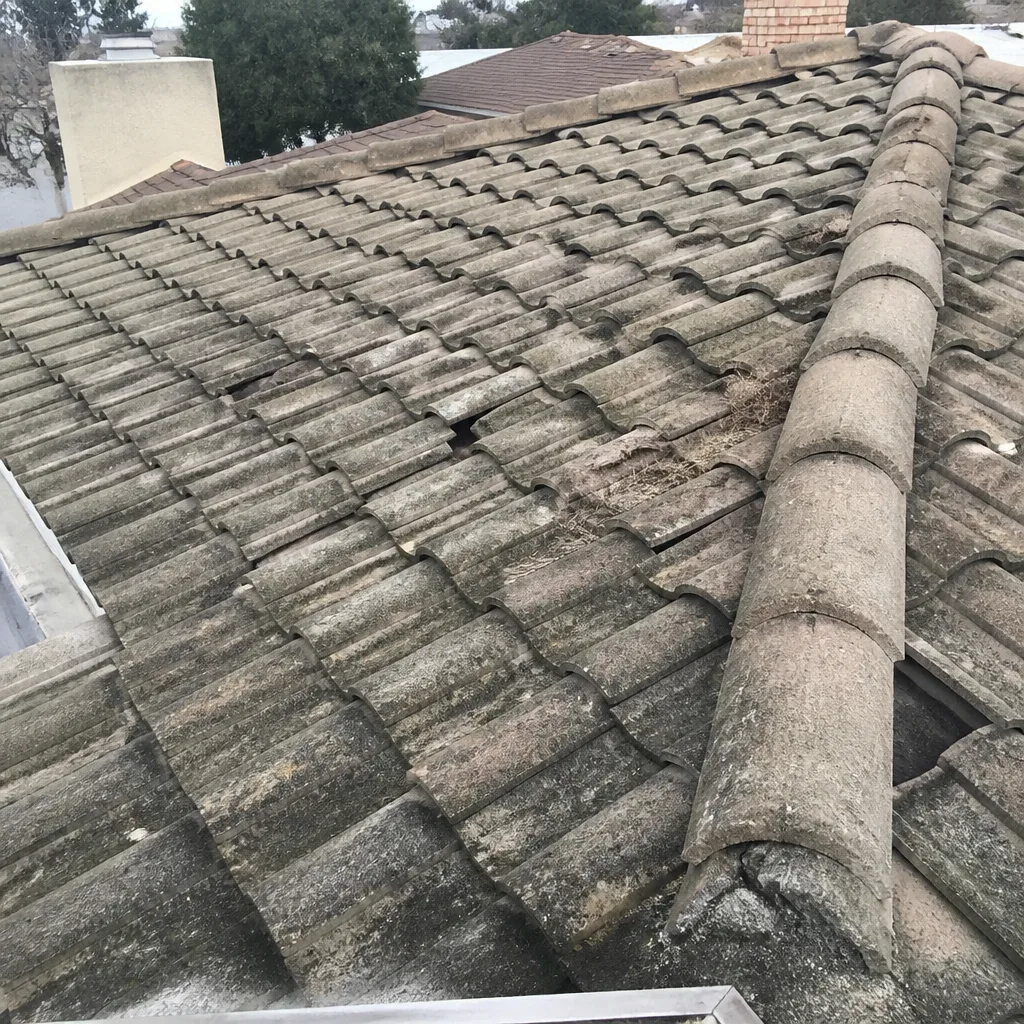 Before
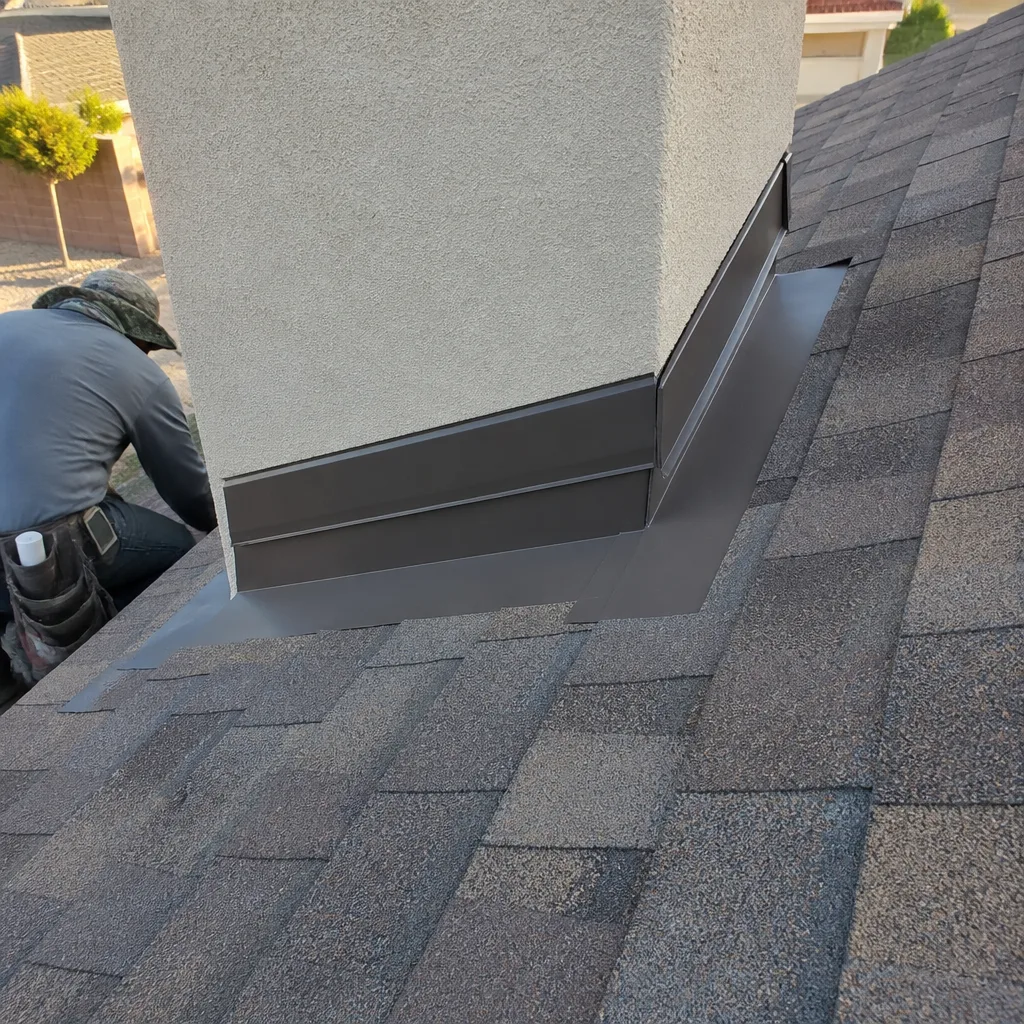 After
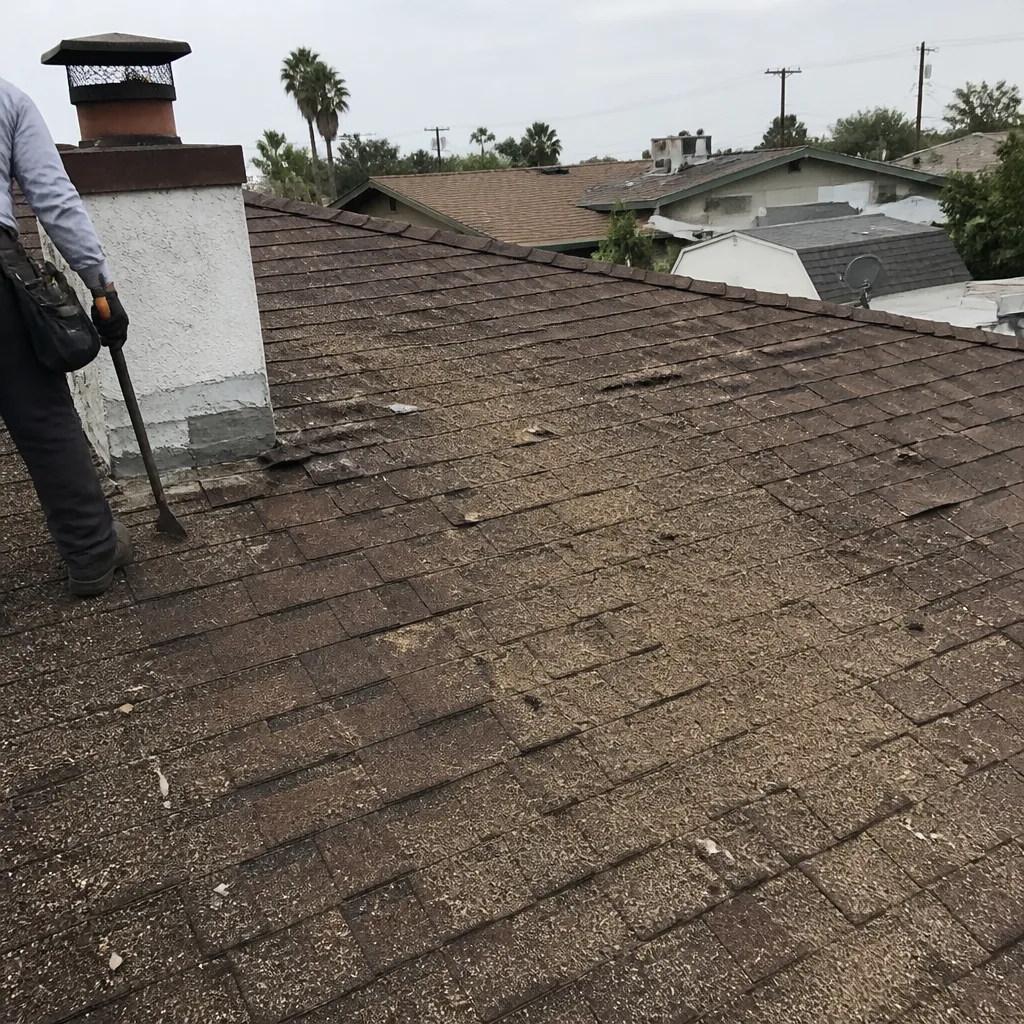 Before
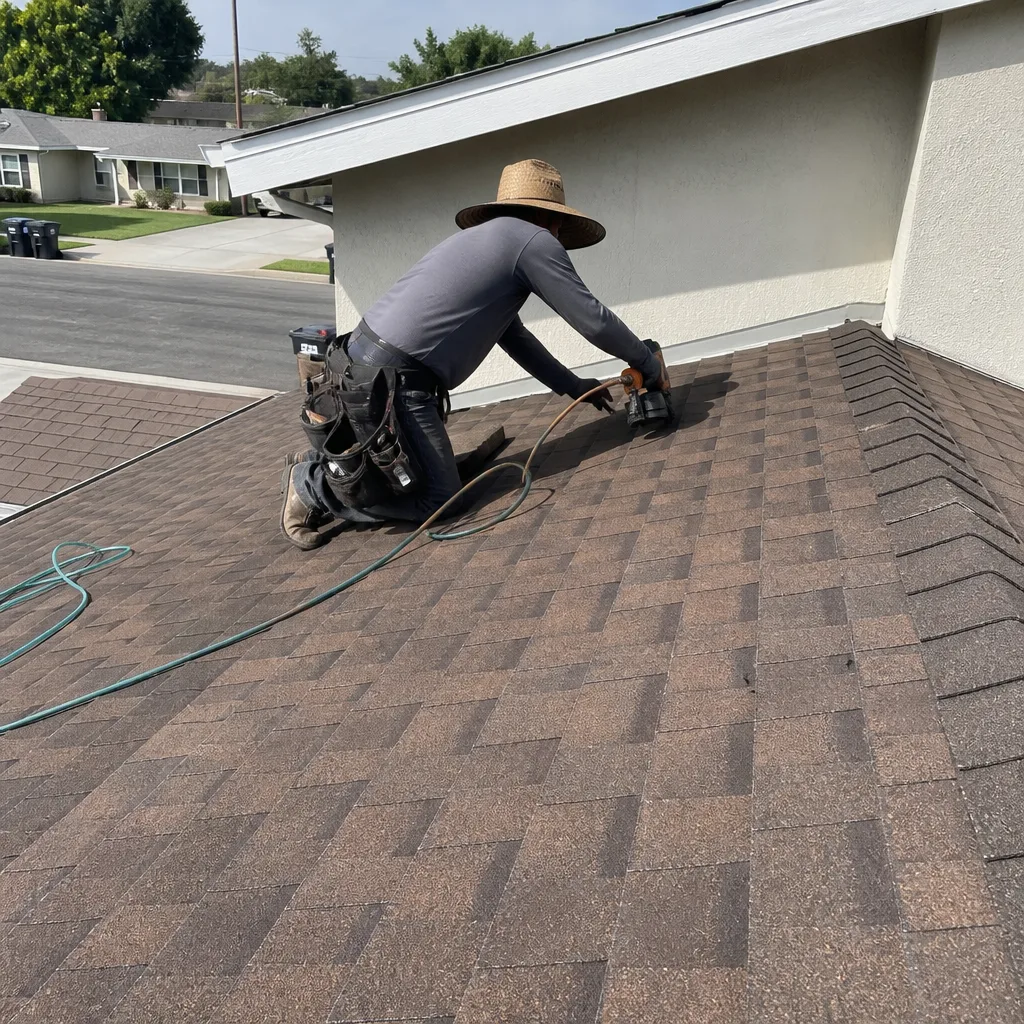 After
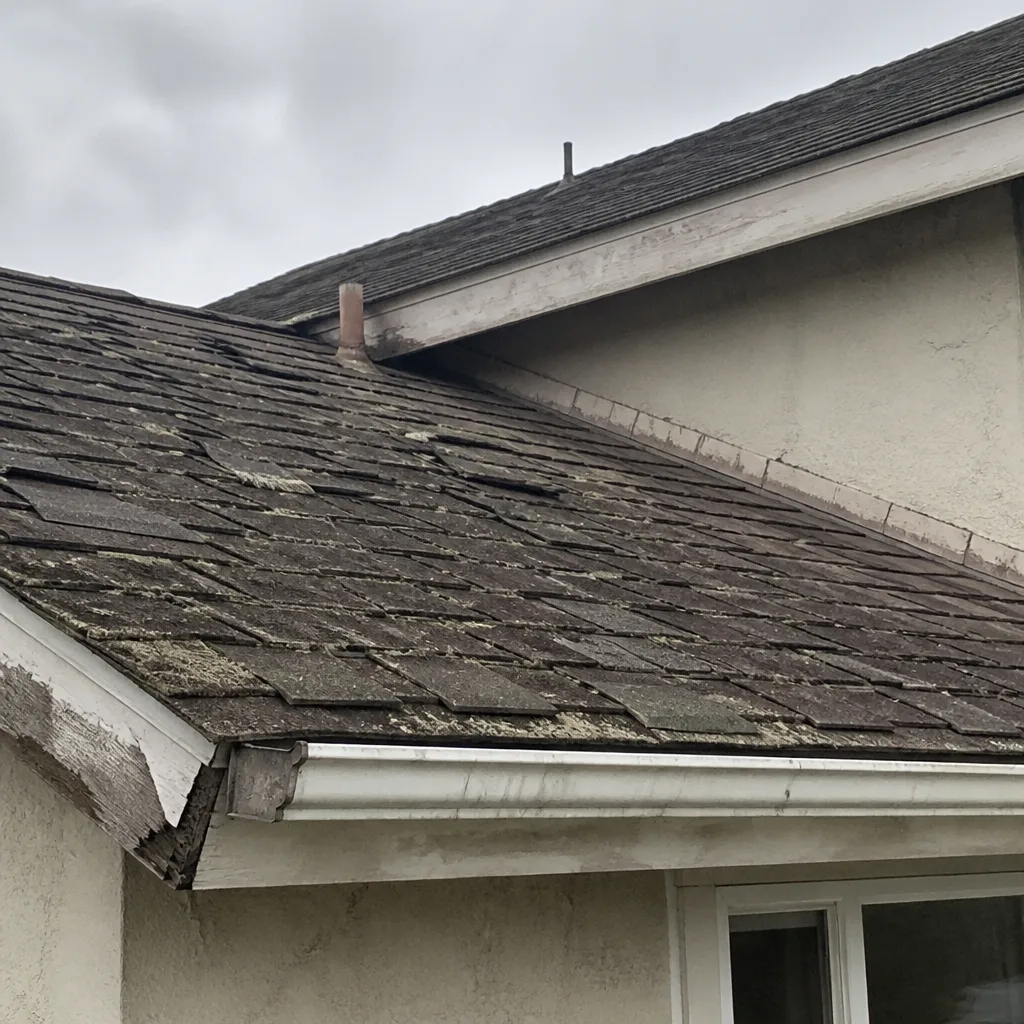 Before
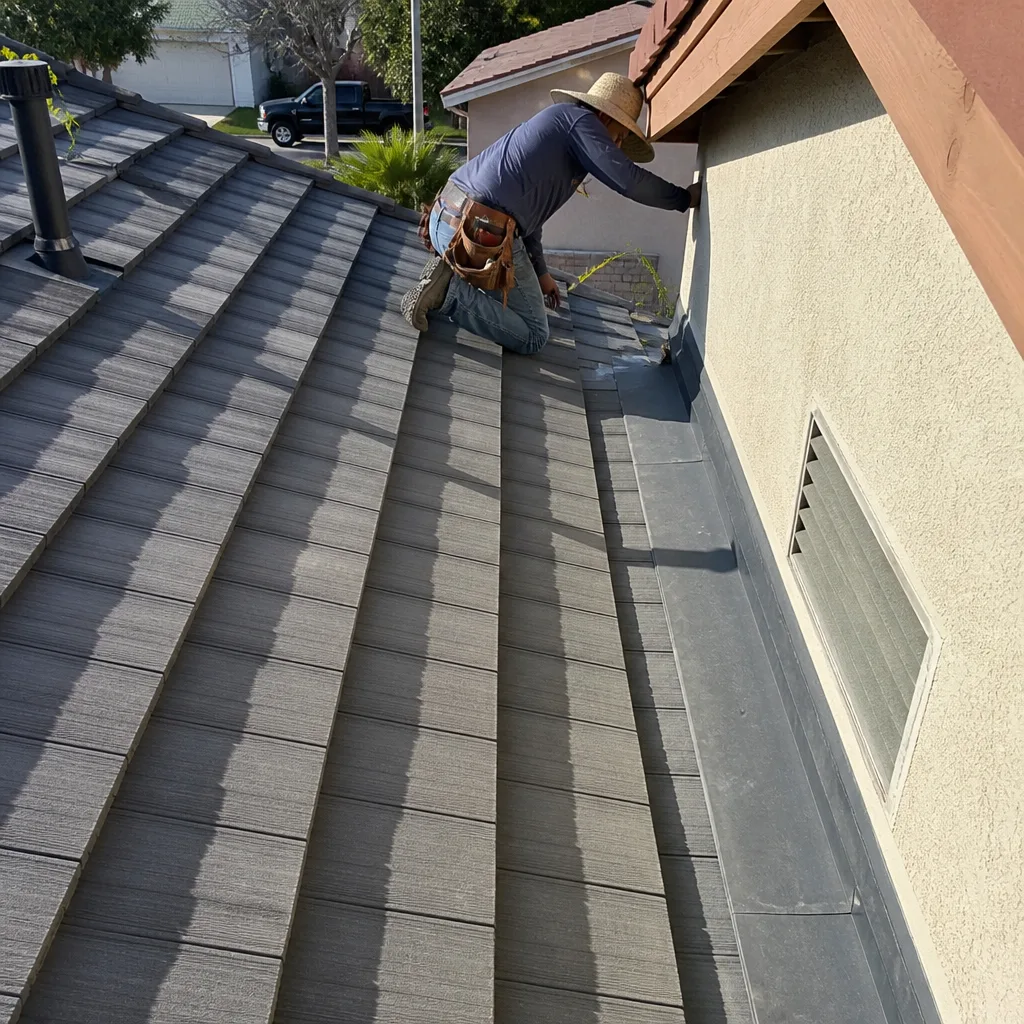 After